

20 Greenhouse Layout Ideas That Feel Like Home
A greenhouse should be more than just a functional growing space. When designed with warmth, intention, and a little creativity, it can become one of the most inviting rooms in your entire home, a place where you actually want to spend time rather than simply check on your plants and leave. The best greenhouse layouts balance practical growing needs with personal comfort so that every visit feels like stepping into a peaceful, living retreat. These 20 greenhouse layout ideas will inspire you to create a greenhouse that grows beautiful plants while also feeling like a genuine extension of your home.
1. Central Potting Table with Wraparound Shelving
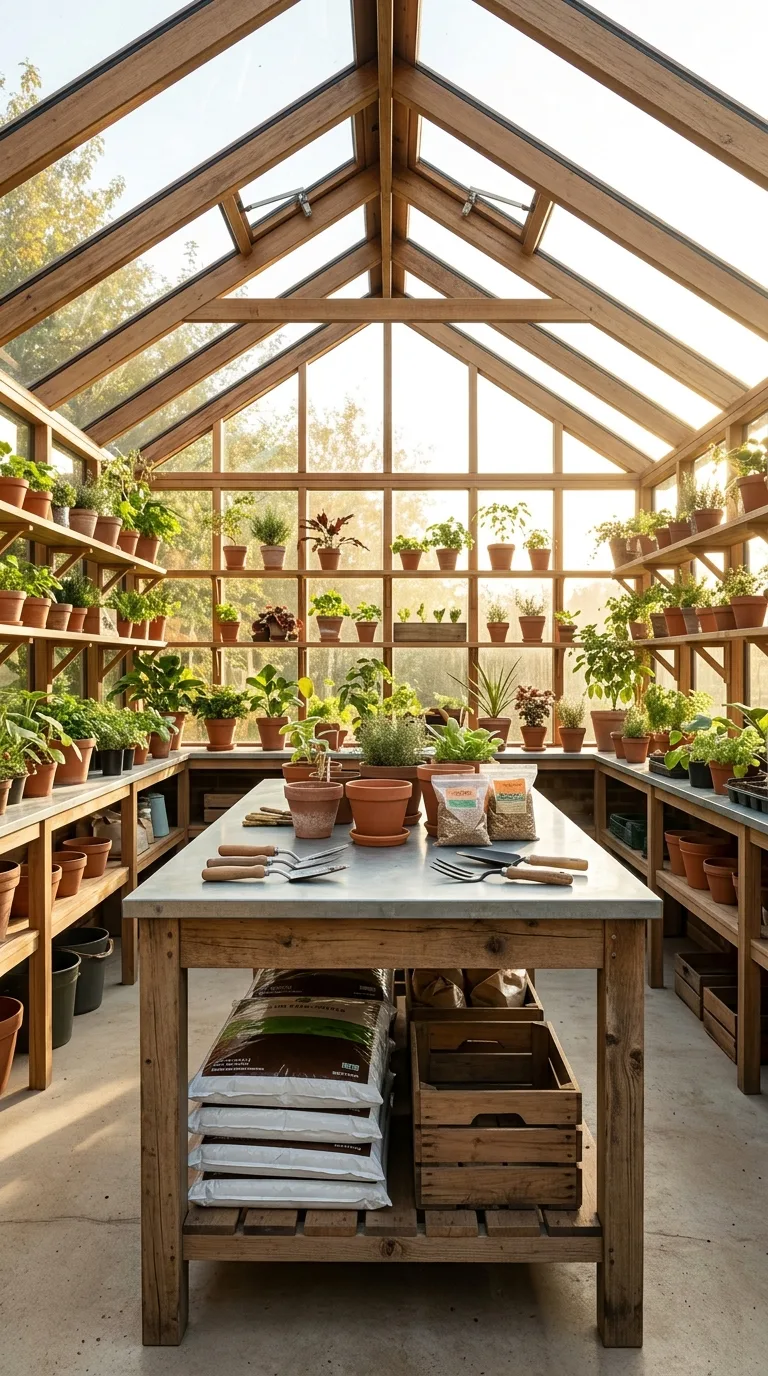
Placing a large potting table in the center of your greenhouse with open shelving running along every wall creates a layout that puts your workspace at the heart of the room where natural light reaches it from all sides. This arrangement gives you generous counter space for potting, seed starting, and arranging plants while keeping every shelf within easy arm’s reach from where you stand.
A solid timber potting table with a zinc or galvanized metal top is both beautiful and completely practical because it handles soil, water, and heavy pots without staining or warping over time. Storing your most used tools in jars and baskets on the table keeps everything visible and accessible. This layout works beautifully in greenhouses of any size and becomes the room’s natural gathering point.
2. Greenhouse with Cozy Reading Corner
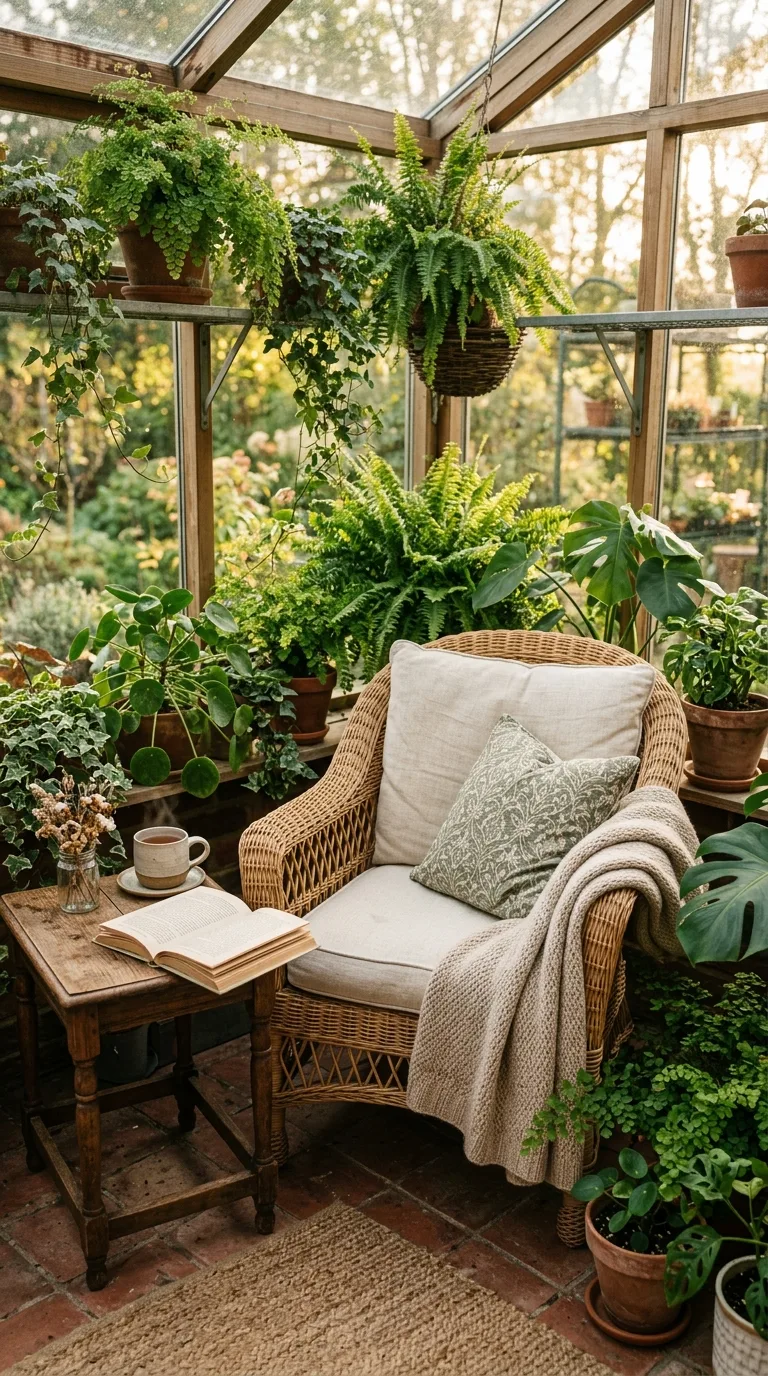
Dedicating one corner of your greenhouse to a comfortable chair, a small side table, and a reading light transforms the space from a purely functional growing area into a genuine room where you want to linger. Surrounded by green foliage and warm humid air, a greenhouse reading corner offers a quality of relaxation that no other room in the house can replicate.
Choose a chair that can handle the moisture levels inside a greenhouse, such as a wicker armchair with outdoor cushions or a teak garden bench with a thick weatherproof seat pad. Adding a small shelf beside the chair for books, a mug, and a pair of reading glasses makes this corner feel genuinely lived in. This is what turns a greenhouse from a building into a beloved room.
3. U Shaped Bench Layout for Maximum Growing Space
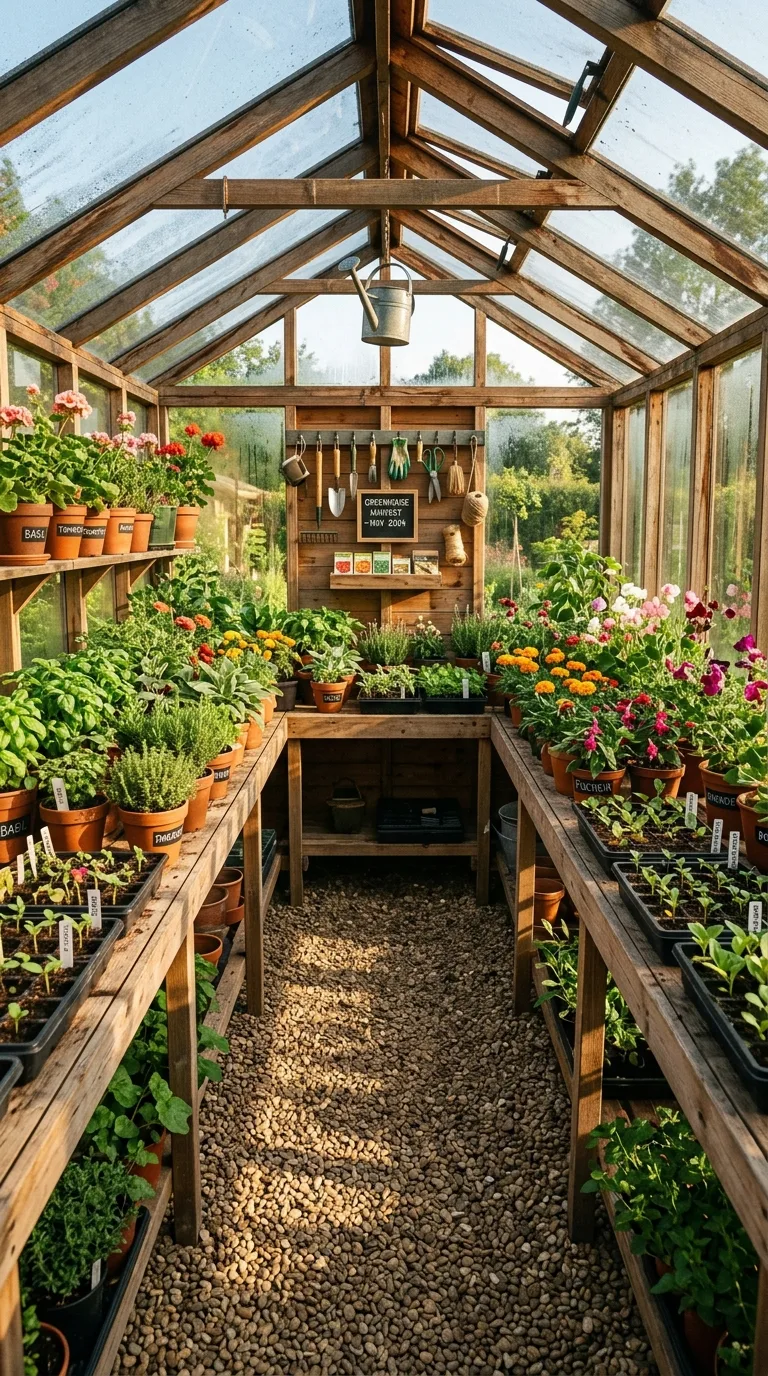
A U shaped bench arrangement with growing benches running along three walls and leaving the center open as a walkway is one of the most efficient greenhouse layouts for maximizing planting area while maintaining easy access to every plant. The open center aisle gives you room to move, carry pots, and work comfortably without feeling cramped or blocked by your own plants.
Building the benches at standard counter height keeps your plants at a comfortable working level that saves your back during long planting and maintenance sessions. Adding a lower shelf beneath each bench doubles your storage and growing space and provides a shadier zone perfect for shade loving plants, seed trays, and supplies. This layout is the gold standard for serious home growers.
4. Greenhouse Dining Area with Bistro Set
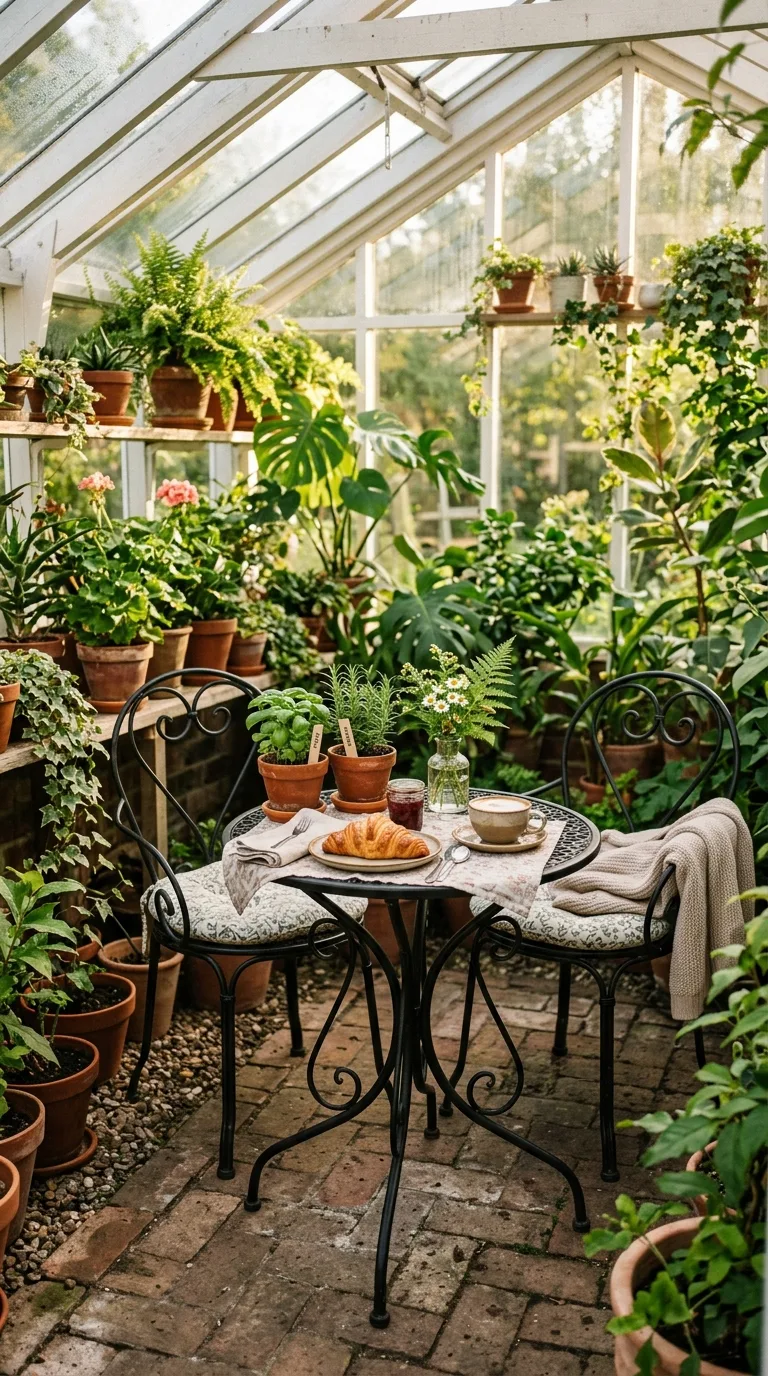
Placing a small bistro table and two chairs in the center or at one end of your greenhouse creates a charming dining spot where you can enjoy morning coffee, weekend breakfast, or a quiet afternoon tea surrounded by your plants. Eating a meal inside a greenhouse is an experience that feels special every single time because of the warmth, the light, and the living green surroundings.
A metal or wrought iron bistro set works best because it handles the humidity and occasional water splashes that are part of greenhouse life without rusting or deteriorating. Laying a small outdoor rug beneath the table defines the dining zone and adds a homey touch. Fresh herbs growing in pots within arm’s reach of the table make every meal feel farm to table in the most genuine sense possible.
5. Lean To Greenhouse with Kitchen Herb Wall
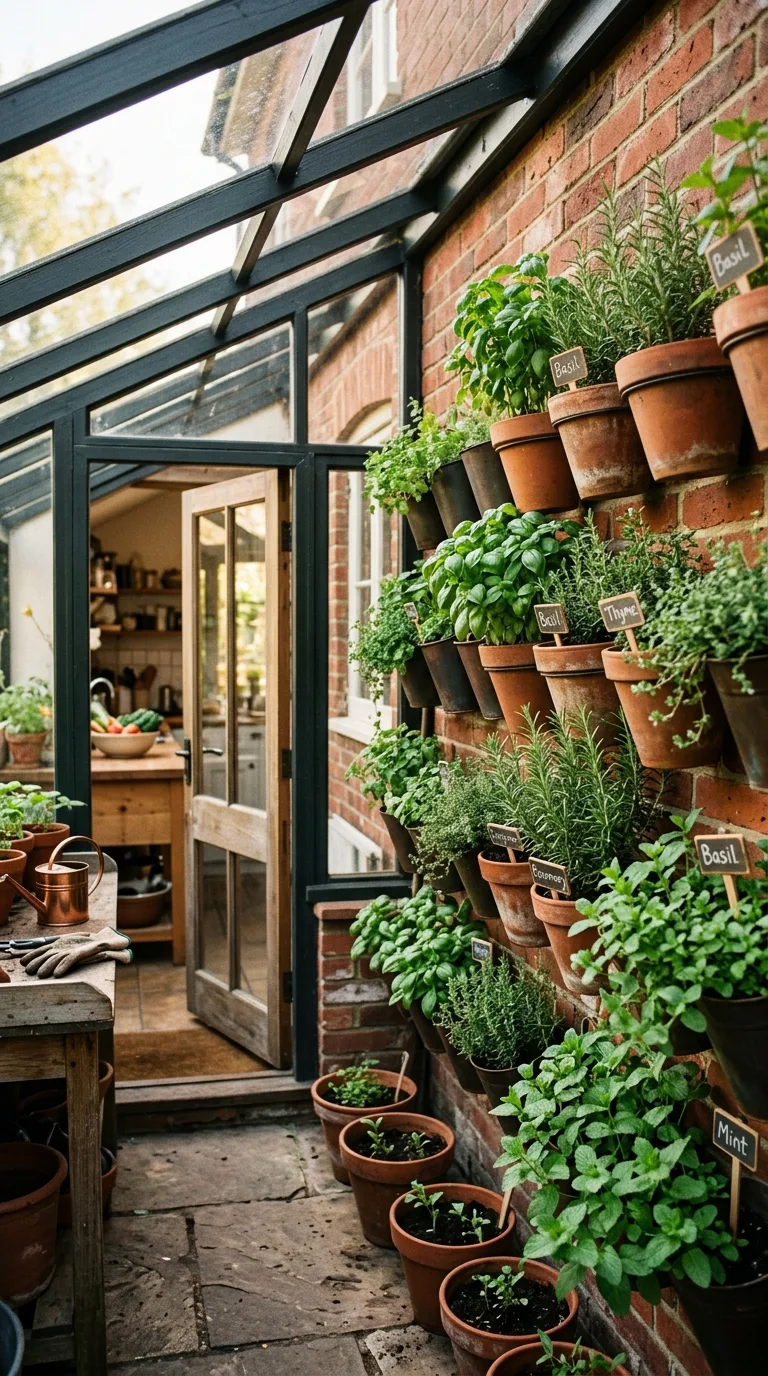
A lean to greenhouse attached directly to your kitchen wall with a door connecting the two spaces creates the ultimate kitchen herb garden that is literally steps from your stove. Covering the greenhouse wall closest to the kitchen with vertical planters or mounted pots filled with basil, rosemary, thyme, mint, and parsley turns the entire surface into a living herb wall of extraordinary practical value.
The convenience of stepping from your kitchen into a warm greenhouse to snip fresh herbs while cooking is a daily luxury that fundamentally changes your relationship with fresh ingredients. The lean to design also benefits from residual heat escaping through the shared wall, reducing heating costs in cooler months. This layout makes the greenhouse feel like a natural extension of your kitchen rather than a separate outbuilding.
6. Raised Bed Greenhouse Layout
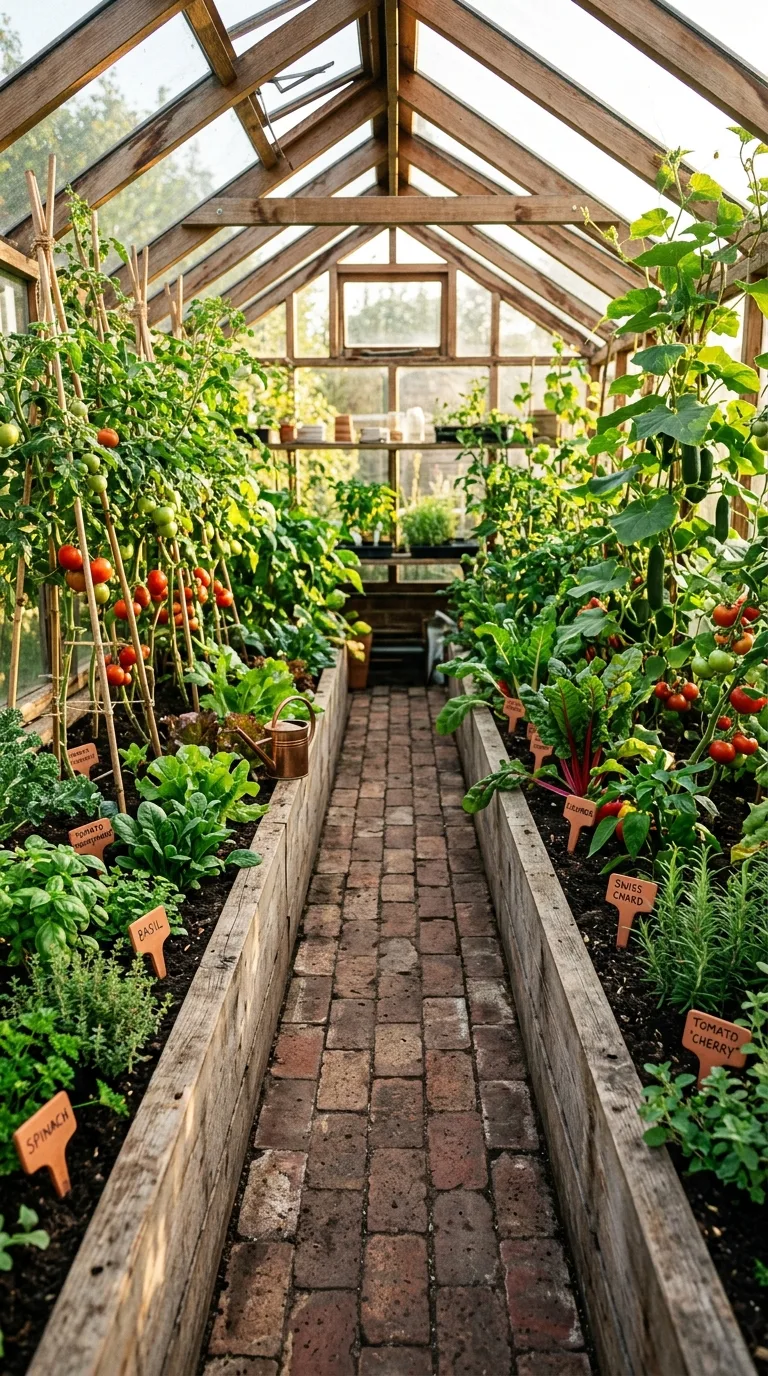
Filling your greenhouse floor with raised timber or stone beds instead of traditional bench top growing containers creates a layout that feels more like an indoor garden than a typical greenhouse. Raised beds allow for deeper root growth, better soil management, and a more natural planting arrangement where plants can spread and fill in the way they would in an outdoor garden.
A central gravel or brick pathway running between the raised beds provides access and drainage while adding visual structure and charm to the interior. Planting directly into deep beds rather than individual pots reduces watering frequency and creates a lush, abundant look that individual containers struggle to match. This layout is ideal for growing vegetables, cut flowers, and larger plants that appreciate the extra root space.
7. Greenhouse with Hanging Plant Canopy
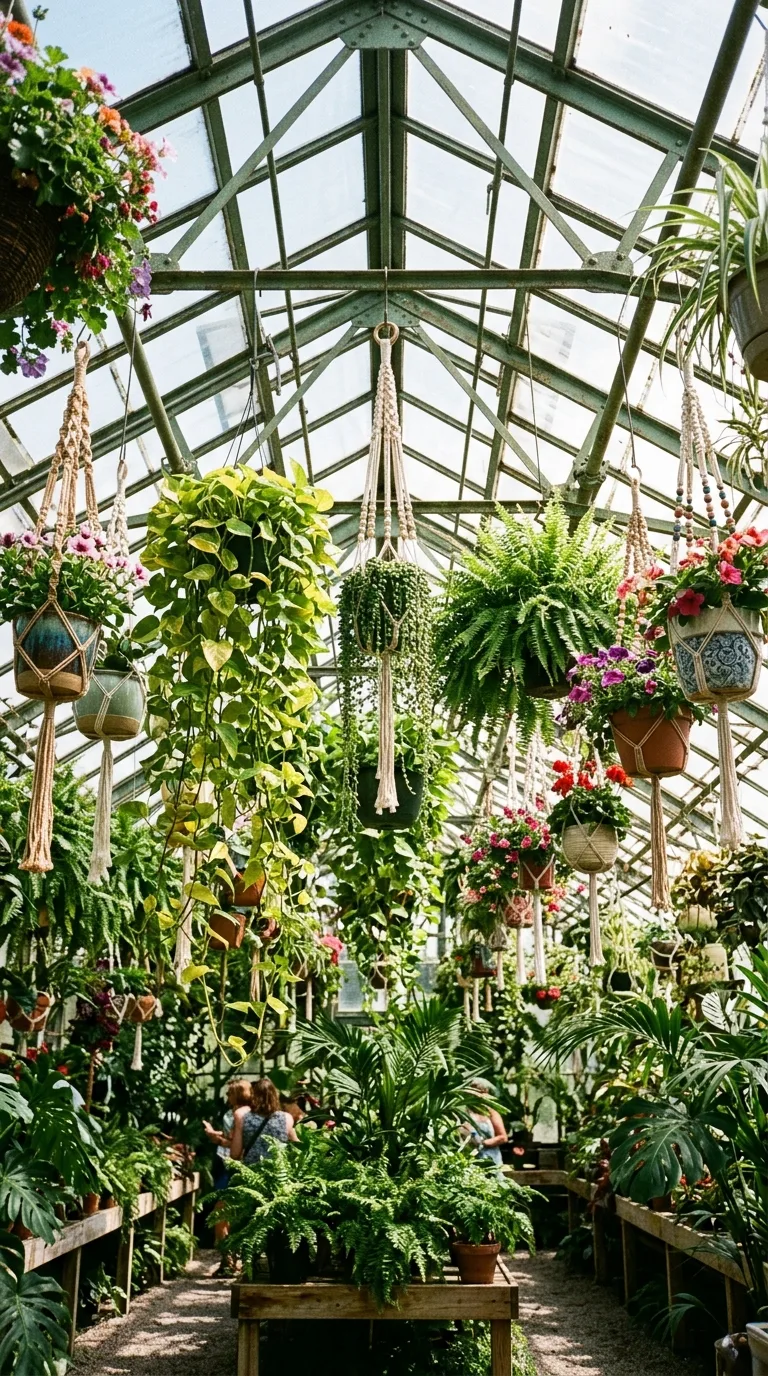
Filling the overhead space of your greenhouse with dozens of hanging plants suspended from the roof structure at varying heights creates a living canopy that transforms the interior into an immersive botanical experience. Walking beneath a ceiling of trailing pothos, string of pearls, ferns, and flowering baskets makes the greenhouse feel like a lush tropical conservatory.
Using the overhead space for hanging plants frees up all of your bench and floor area for potting work, seating, or additional ground level growing. Attaching hooks to the greenhouse frame at different points and using chains or macrame hangers of varying lengths creates a layered, organic arrangement that looks effortlessly beautiful. This approach maximizes every cubic foot of growing space available to you.
8. Vintage Greenhouse with Reclaimed Furniture
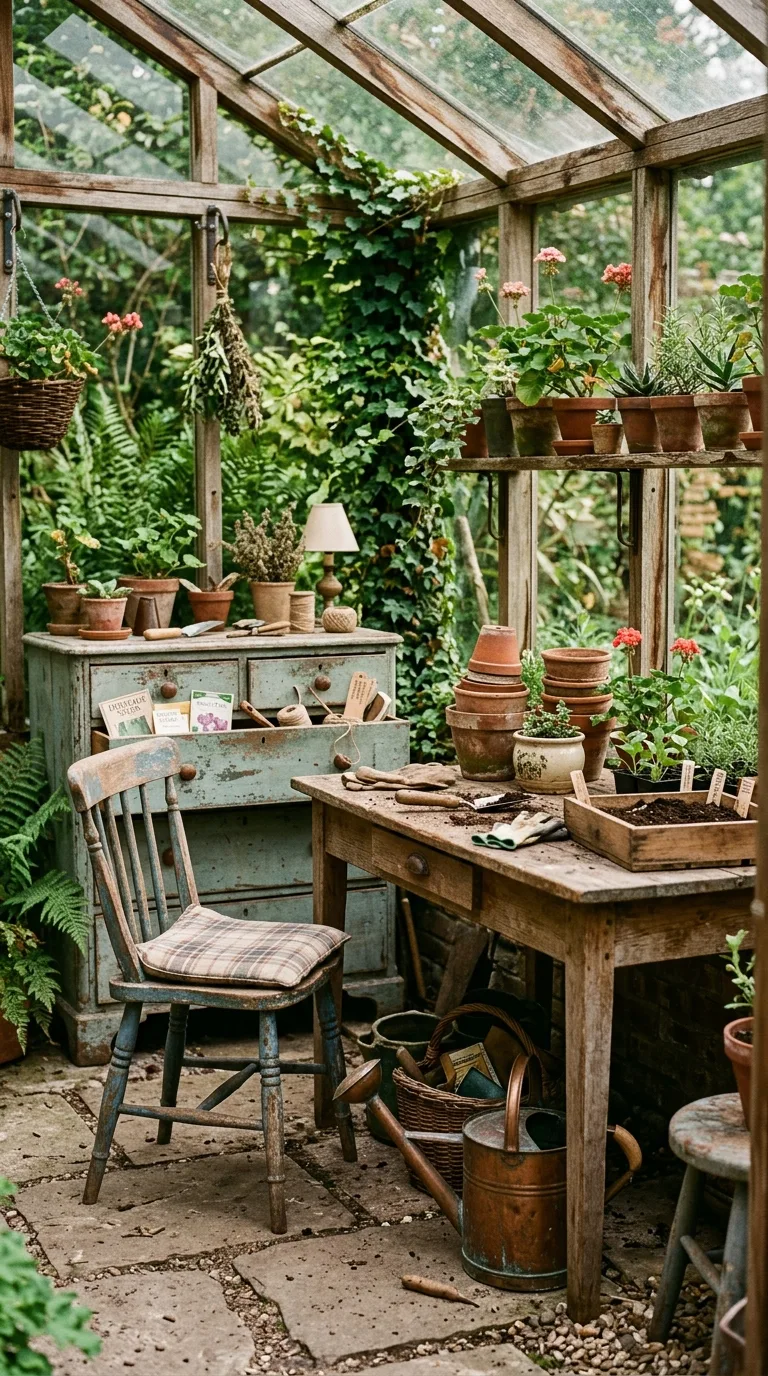
Furnishing your greenhouse with reclaimed vintage furniture such as an old farmhouse table, mismatched wooden chairs, a weathered dresser for tool storage, and antique terracotta pots creates a space with the kind of genuine character and soul that new furniture simply cannot provide. Each piece tells a story and adds layers of visual interest to the room.
Thrift stores, estate sales, and salvage yards are treasure troves for greenhouse furniture because pieces that might be too worn for indoor use are perfectly suited to the relaxed, humid greenhouse environment where a bit of patina only adds to the charm. An old wooden ladder leaning against the wall as a plant stand or an antique watering can displayed on a shelf brings authentic vintage warmth.
9. Two Zone Layout for Warm and Cool Plants
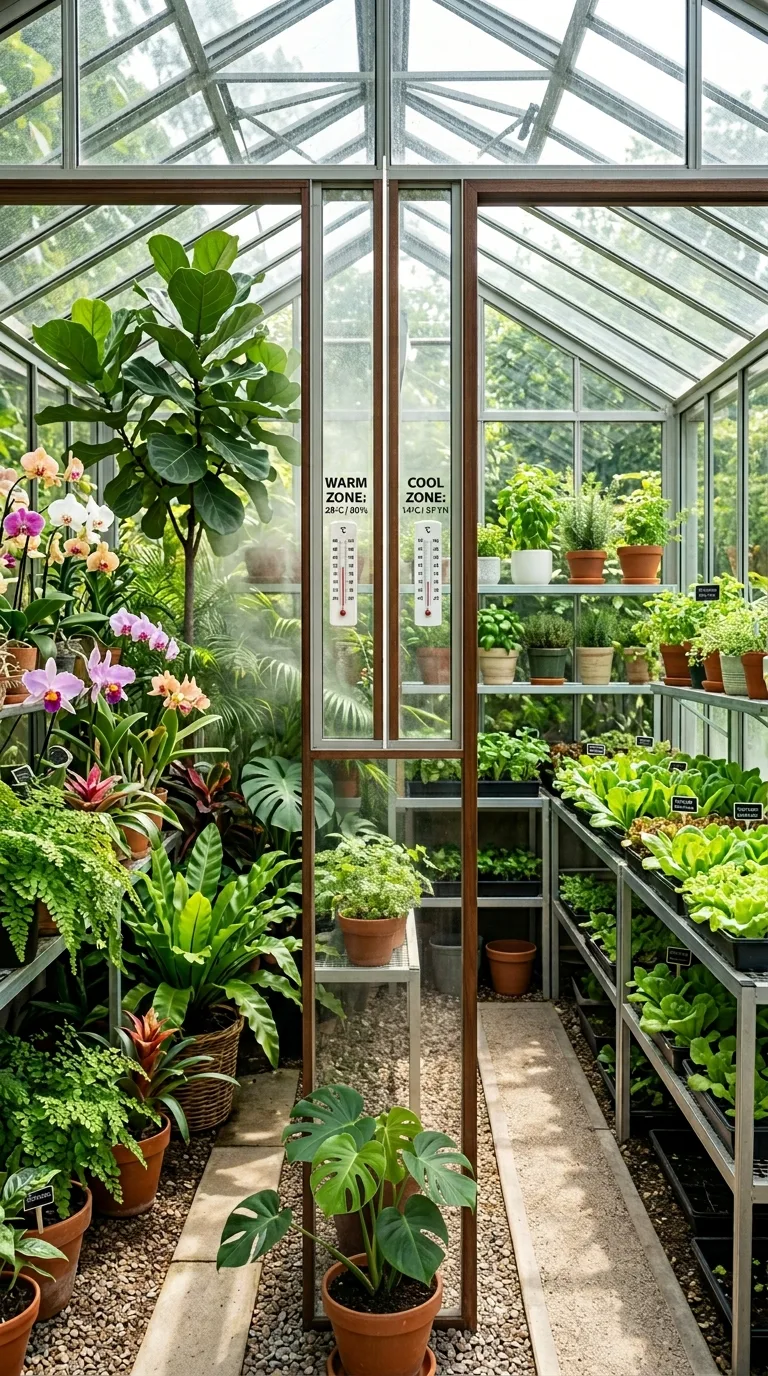
Dividing your greenhouse into two distinct zones using a partial partition, a curtain, or simply by organizing plants strategically allows you to maintain different temperature and humidity conditions for plants with different needs. One zone can house tropical plants that love heat and moisture while the other accommodates cooler season crops or plants that prefer drier conditions.
The warm zone should be positioned at the end of the greenhouse that receives the most direct sunlight, while the cooler zone occupies the shadier end or the area closest to the door where temperatures naturally drop when the door opens. This layout lets you grow a much wider variety of plants successfully within a single structure than a uniform single zone greenhouse ever could.
10. Greenhouse Potting Shed Combination
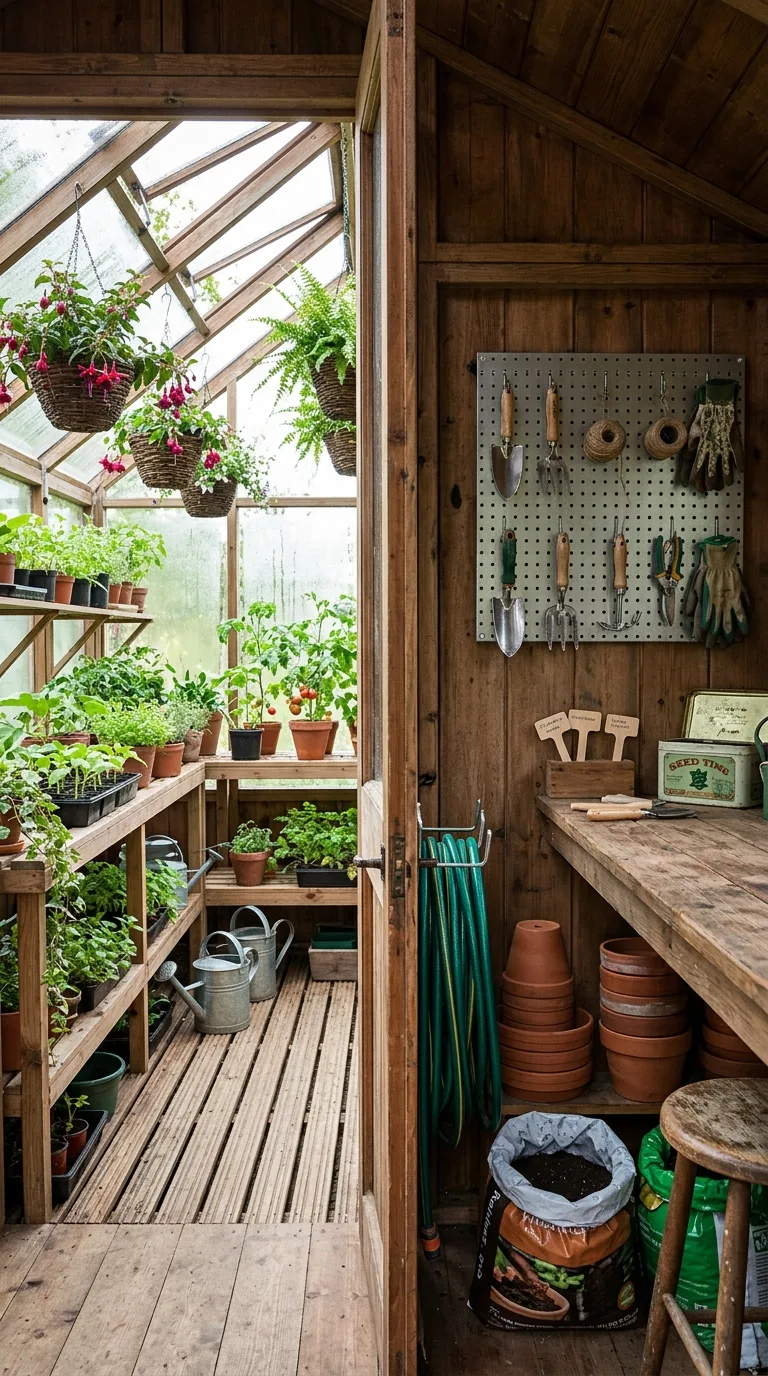
Combining a traditional greenhouse growing area with a proper potting shed workspace under one roof creates the most functional layout for dedicated gardeners who want everything in one place. One half of the structure features full glazing for maximum light and plant growth while the other half has solid walls, a proper workbench, tool storage, and shelving for supplies.
The solid walled potting shed section stays cooler and provides a comfortable workspace even during the hottest summer days when the fully glazed greenhouse side becomes too warm for extended work. Having tools, soil, pots, and seeds stored steps from where you use them eliminates wasted trips back and forth to a separate shed. This combined layout is the most practical design for serious gardeners.
11. Greenhouse with Living Stone Floor
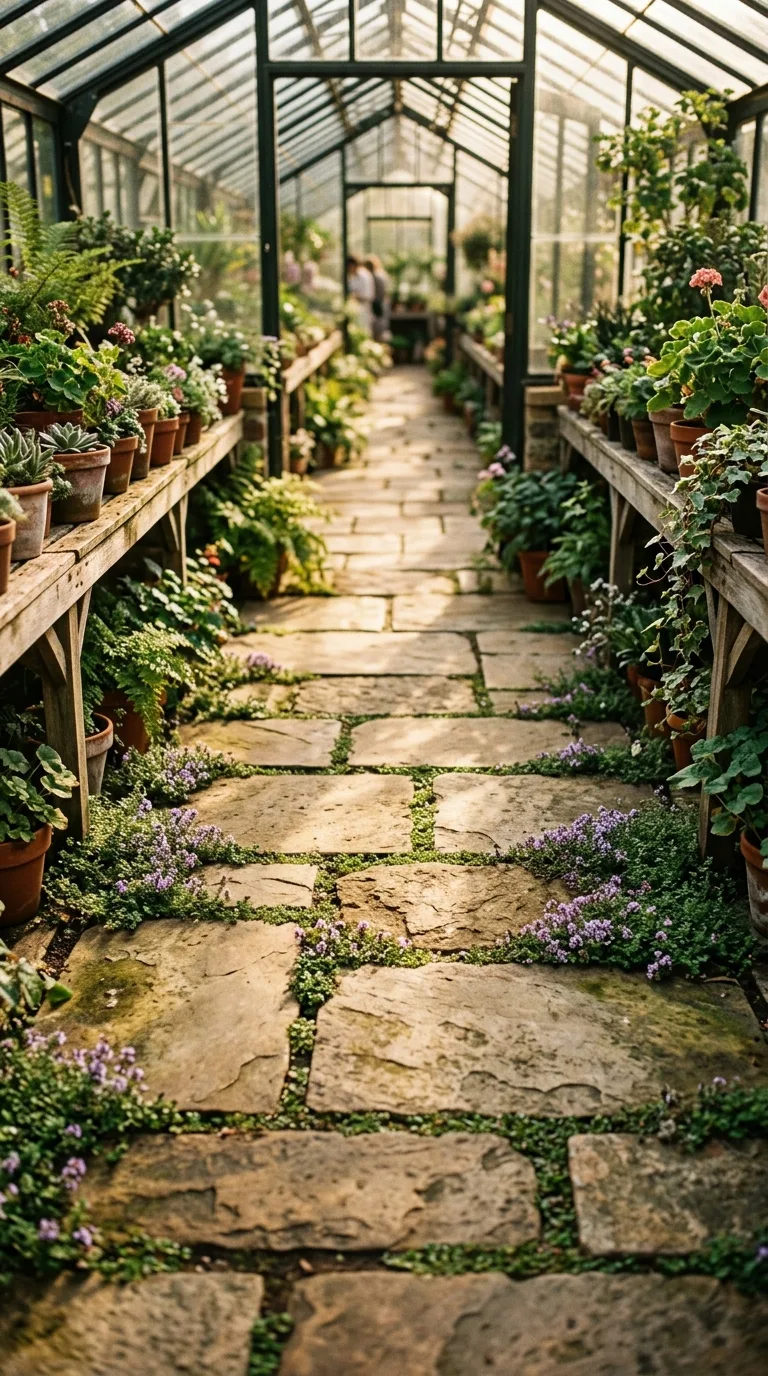
Laying a floor of natural flagstone, slate, or reclaimed brick with creeping plants growing in the joints creates a living floor surface that gives your greenhouse the feeling of an ancient walled garden or a European orangery. The stone absorbs heat during the day and radiates it gently back at night, naturally moderating temperature swings inside the greenhouse.
Planting creeping thyme, Corsican mint, or Irish moss between the stone joints softens the floor visually and releases gentle fragrance when walked on. The combination of warm stone and living greenery underfoot makes the greenhouse feel like a truly special space rather than a utilitarian growing structure. A stone floor is a permanent investment that grows more beautiful with every year.
12. Tiered Staging Display Layout

Arranging plants on tiered staging platforms that step up from front to back like theater seating ensures every plant receives maximum light exposure and creates a dramatic visual display that shows off your collection beautifully. The tiered arrangement prevents taller plants from shading smaller ones and lets you see and access every plant easily from the central walkway.
Building tiered staging from treated timber with slatted shelves allows water to drain freely and air to circulate around every pot, which promotes healthy root systems and reduces the risk of fungal problems. Painting or staining the staging to match your greenhouse frame ties the whole interior together visually. This layout transforms a simple greenhouse into something that feels like a curated plant gallery.
13. Greenhouse Art Studio Space
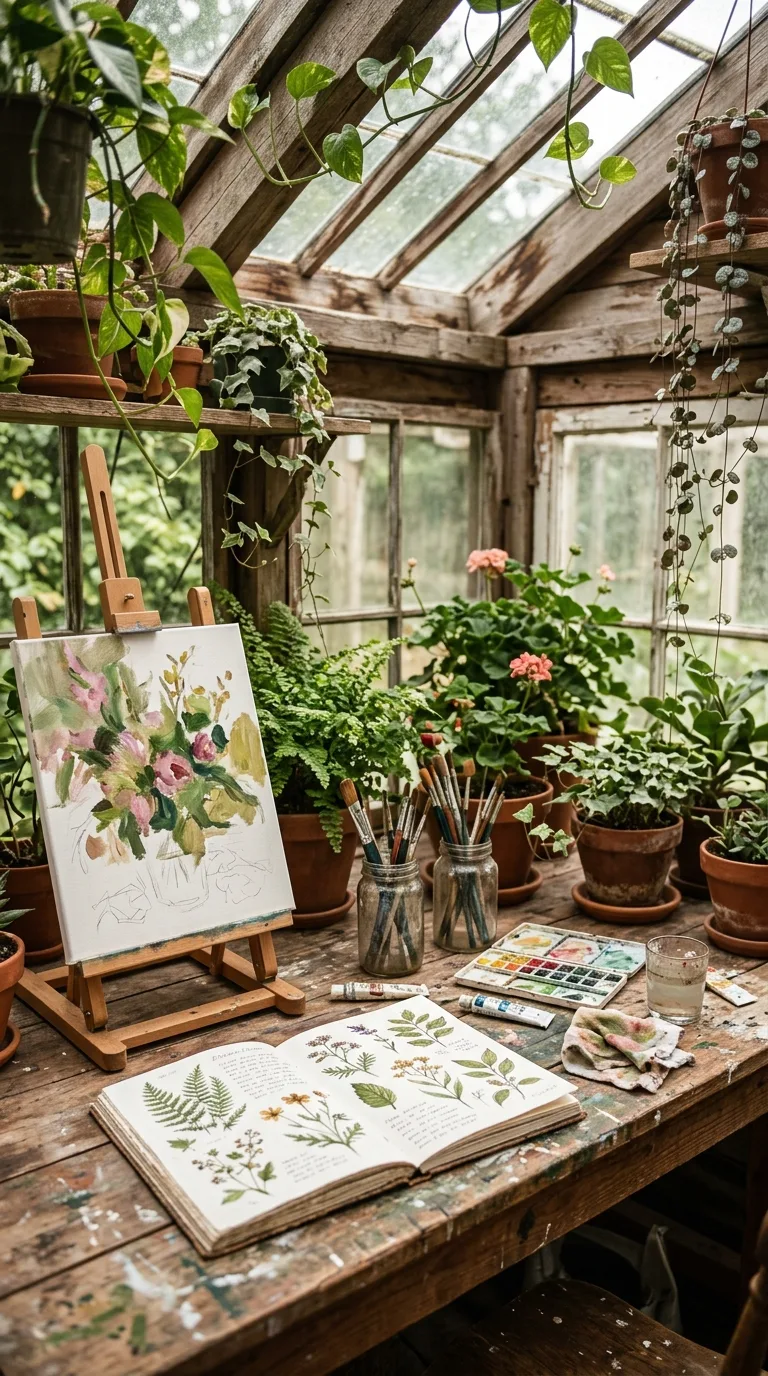
Dedicating a section of your greenhouse to an art or craft workspace takes advantage of the exceptional natural light that a greenhouse provides, which artists and crafters know is the very best light for creative work. A sturdy table positioned where the light is strongest, a comfortable stool, and storage for supplies creates a studio space surrounded by living inspiration.
Painting, sketching, journaling, or working on any creative project inside a greenhouse filled with plants is a profoundly calming and inspiring experience that genuinely enhances creative output. The natural light eliminates the harsh shadows that artificial lighting creates, making colors appear true and details easier to see. This dual purpose layout gives your greenhouse a reason to be visited every day regardless of the season.
14. Narrow Greenhouse with Single Aisle Layout
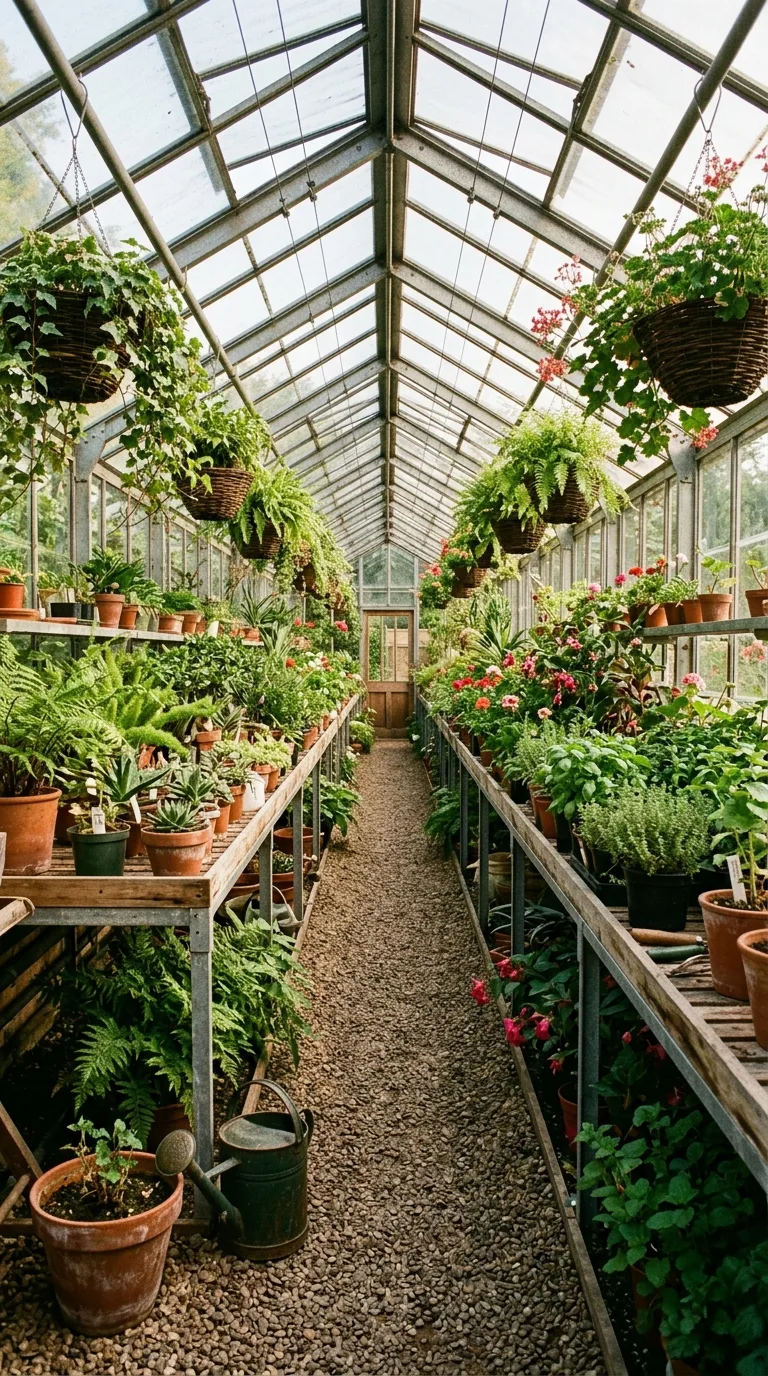
A narrow greenhouse with growing benches along both long walls and a single central aisle running the full length is the most space efficient layout for compact gardens where width is limited but length is available. This corridor style design ensures every inch of bench space receives excellent light from the glass walls immediately beside it.
Making the aisle wide enough to move a wheelbarrow or garden cart through comfortably is important for practical daily use. Adding hooks along the roof ridge above the aisle for hanging plants uses the overhead space productively without encroaching on your walkway. A narrow greenhouse with a single aisle layout proves that you do not need a large footprint to create a highly productive growing space.
15. Greenhouse with Water Feature and Pond
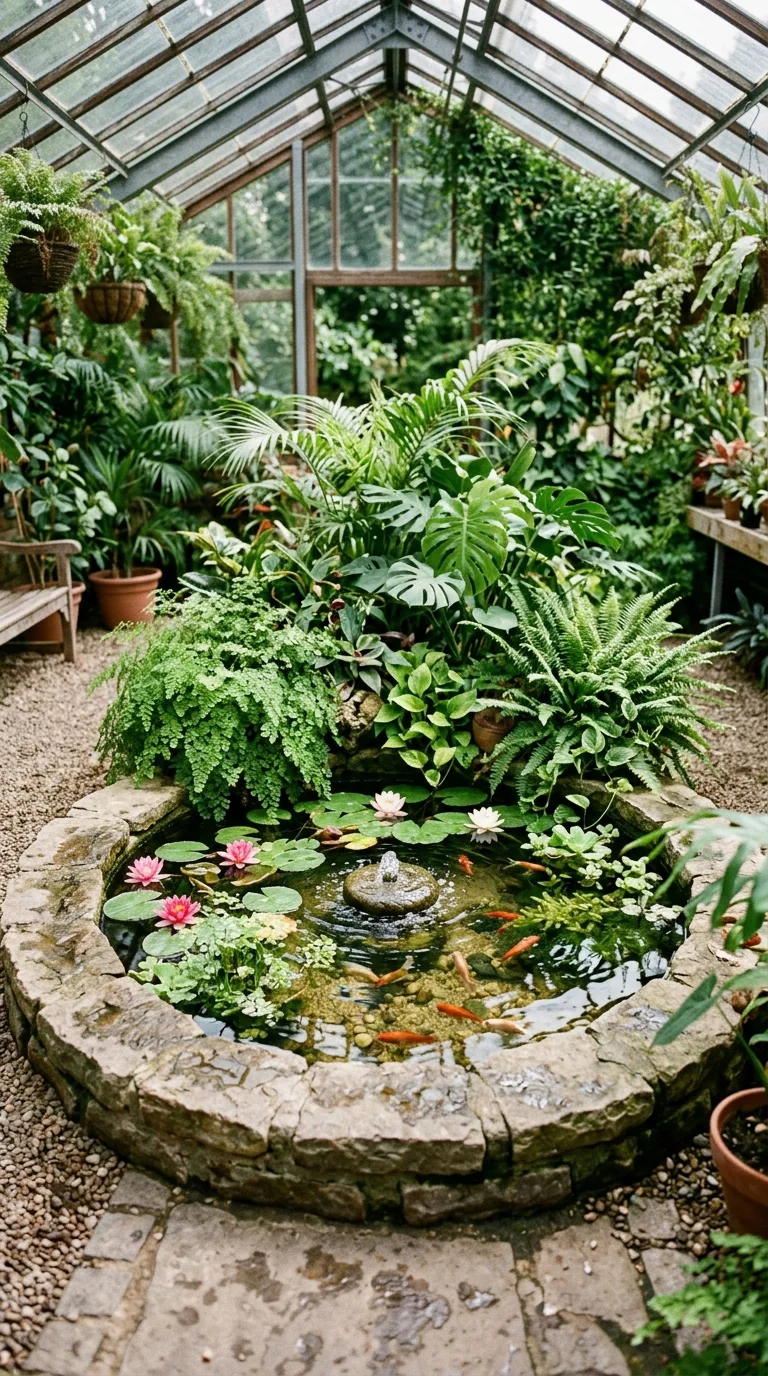
Installing a small water feature or a shallow pond inside your greenhouse adds humidity, visual beauty, and a soothing sound element that transforms the growing space into a sensory retreat. A simple recirculating fountain on a table, a wall mounted water spout, or a small sunken pond with aquatic plants creates a focal point that elevates the entire room.
The evaporation from an indoor water feature naturally increases humidity levels, which benefits tropical plants enormously and reduces your need for manual misting. The gentle sound of moving water makes time spent in the greenhouse feel meditative and restorative. A small pond stocked with a few goldfish adds life, movement, and natural pest control as the fish consume mosquito larvae and small insects.
16. Greenhouse with Propagation Station Corner
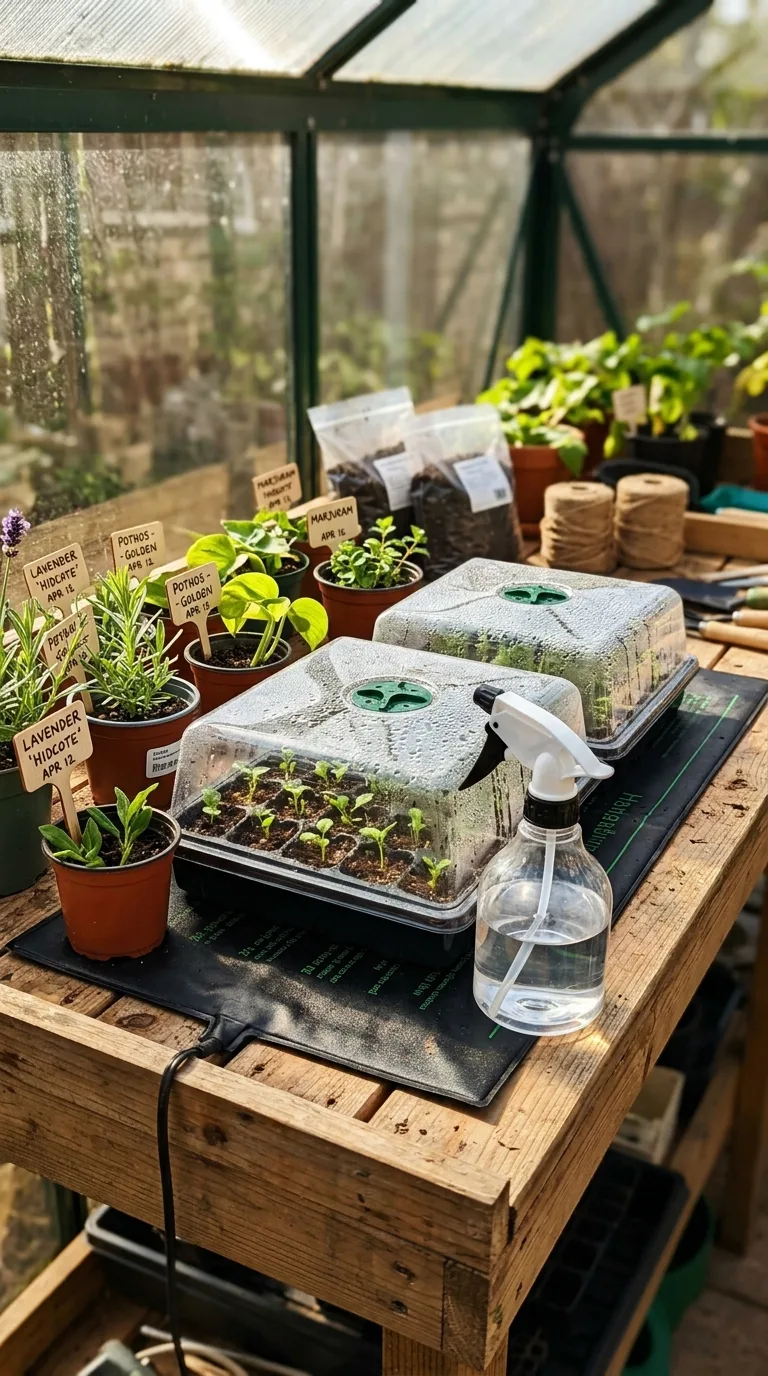
Setting up a dedicated propagation station in the warmest corner of your greenhouse with a heated propagation mat, clear humidity domes, and organized trays of cuttings and seed starts gives serious plant growers a focused workspace for multiplying their collection. Having a permanent propagation area means you can start new plants anytime without disrupting your main growing displays.
The warmest corner is typically the spot that gets the most direct afternoon sun, which provides the bottom heat that seeds and cuttings need to root quickly and strongly. Labeling every tray clearly with plant name and date prevents confusion as your propagation efforts scale up. A well organized propagation corner is the engine that keeps a greenhouse constantly growing and evolving with new plants.
17. Cottage Style Greenhouse with Flowering Displays
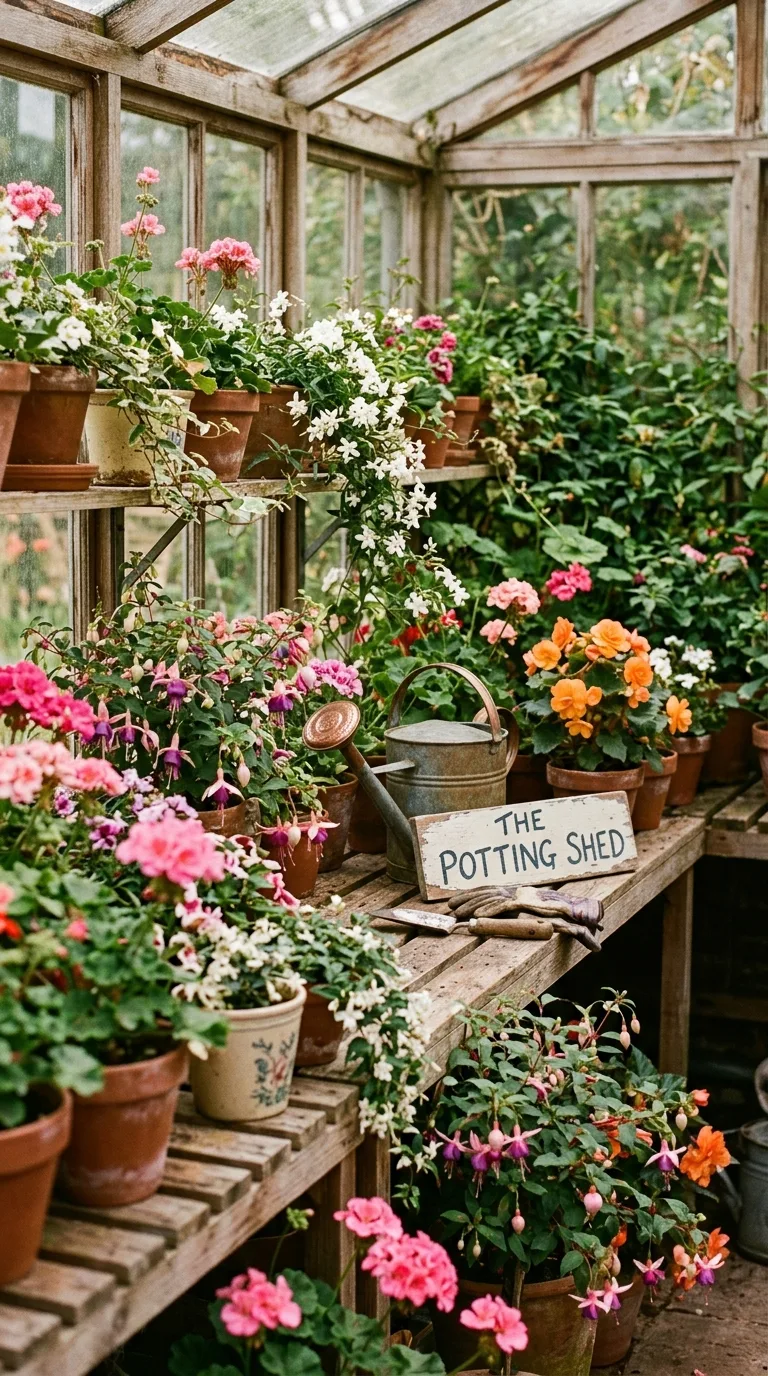
Filling a greenhouse primarily with flowering plants rather than vegetables creates a cottage style interior that looks and feels like a living flower shop. Geraniums, fuchsias, begonias, orchids, and jasmine arranged on every surface in a mix of terracotta, ceramic, and vintage pots creates a riot of color and fragrance that makes stepping inside feel like entering a different world entirely.
The cottage greenhouse aesthetic embraces abundance and beautiful imperfection rather than rigid organization, so letting plants spill over edges, trail from shelves, and lean toward the light naturally is part of the charm. Adding a small wooden sign, a vintage watering can, and a few garden ornaments among the flowers completes the look. This is a greenhouse designed purely for the joy of being surrounded by beauty.
18. Greenhouse with Seed Library and Storage Wall
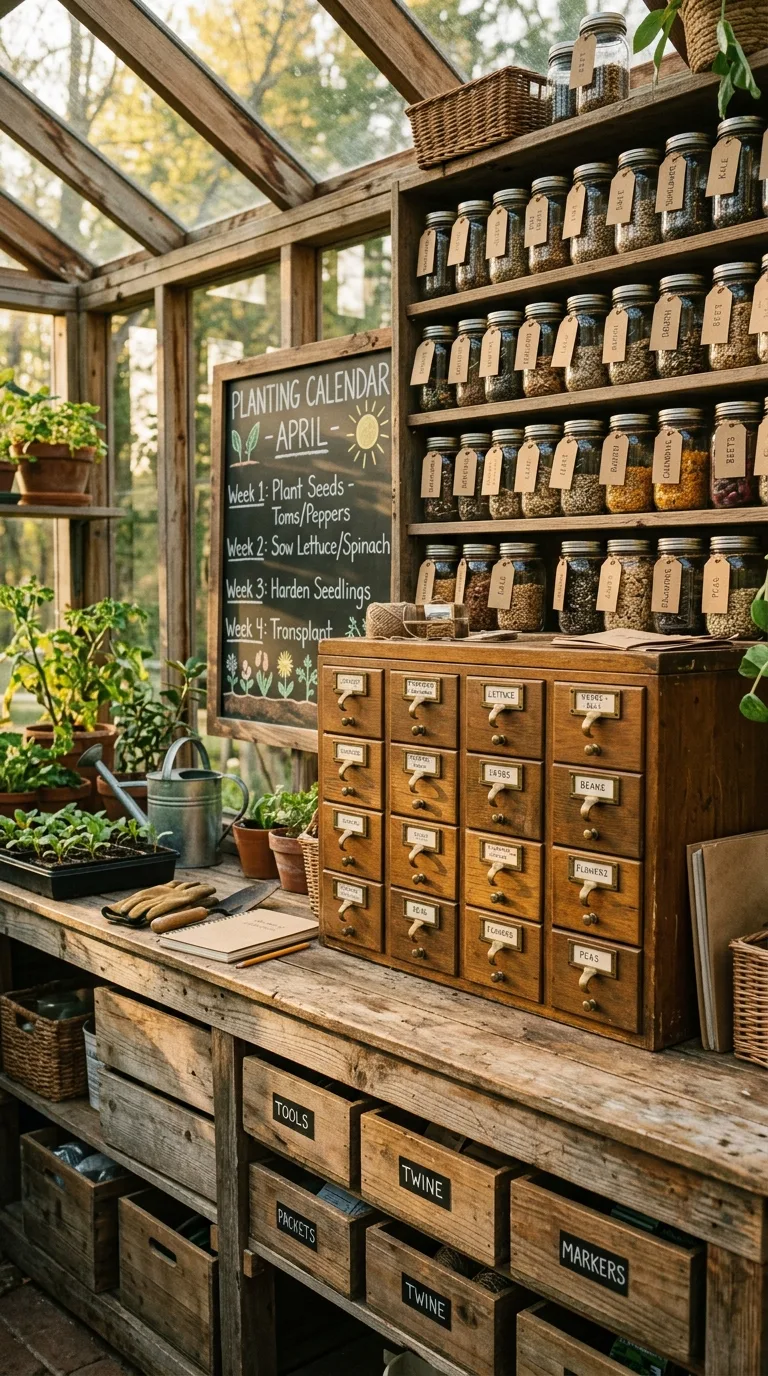
Dedicating one wall of your greenhouse to organized seed storage with labeled drawers, jars, and compartments creates a seed library that is both functional and visually charming. Small wooden drawers, mason jars with handwritten labels, and vintage card catalog cabinets all make excellent seed storage solutions that turn a practical necessity into an attractive display.
Keeping your entire seed collection visible and organized in one place makes planning and planting seasons significantly easier because you can see exactly what you have at a glance. Adding a small clipboard or chalkboard beside the seed wall for noting planting dates and inventory helps keep your growing plans on track. A seed library wall gives your greenhouse the feel of a proper botanical workroom with real purpose and history.
19. Greenhouse with Succulent and Cactus Display
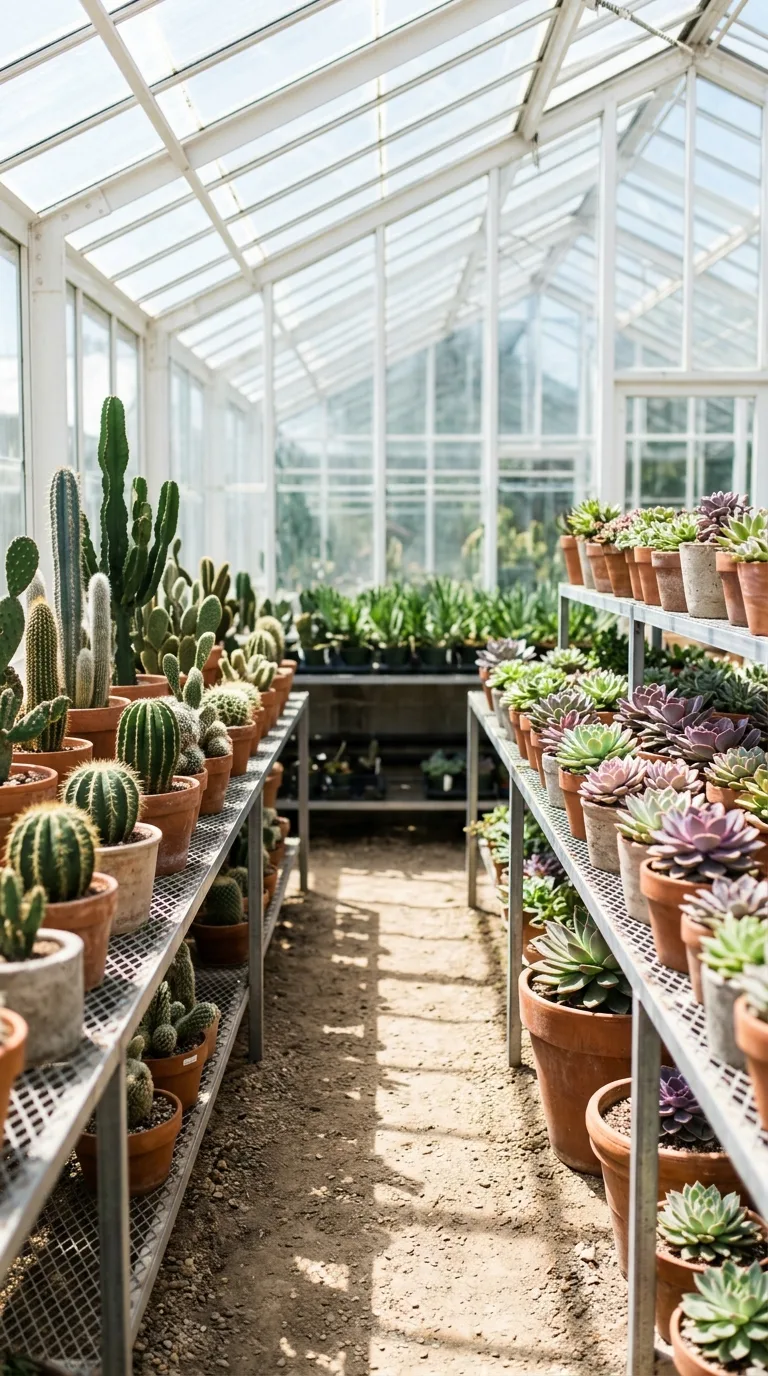
A greenhouse dedicated entirely to succulents and cacti requires a different layout approach because these plants thrive in drier, brighter conditions than most greenhouse plants. Open wire mesh shelving that allows maximum air circulation, terracotta and concrete pots that wick away excess moisture, and a sandy gravel floor create the perfect arid environment.
Arranging succulents and cacti by size, color, and form on tiered shelving creates a living sculpture gallery that is endlessly fascinating to look at and incredibly low maintenance compared to a traditional greenhouse full of thirsty tropical plants. The architectural shapes and subtle colors of succulents and cacti create a calm, minimalist beauty that makes this type of greenhouse feel like a curated desert garden exhibit.
20. Four Season Greenhouse Living Room
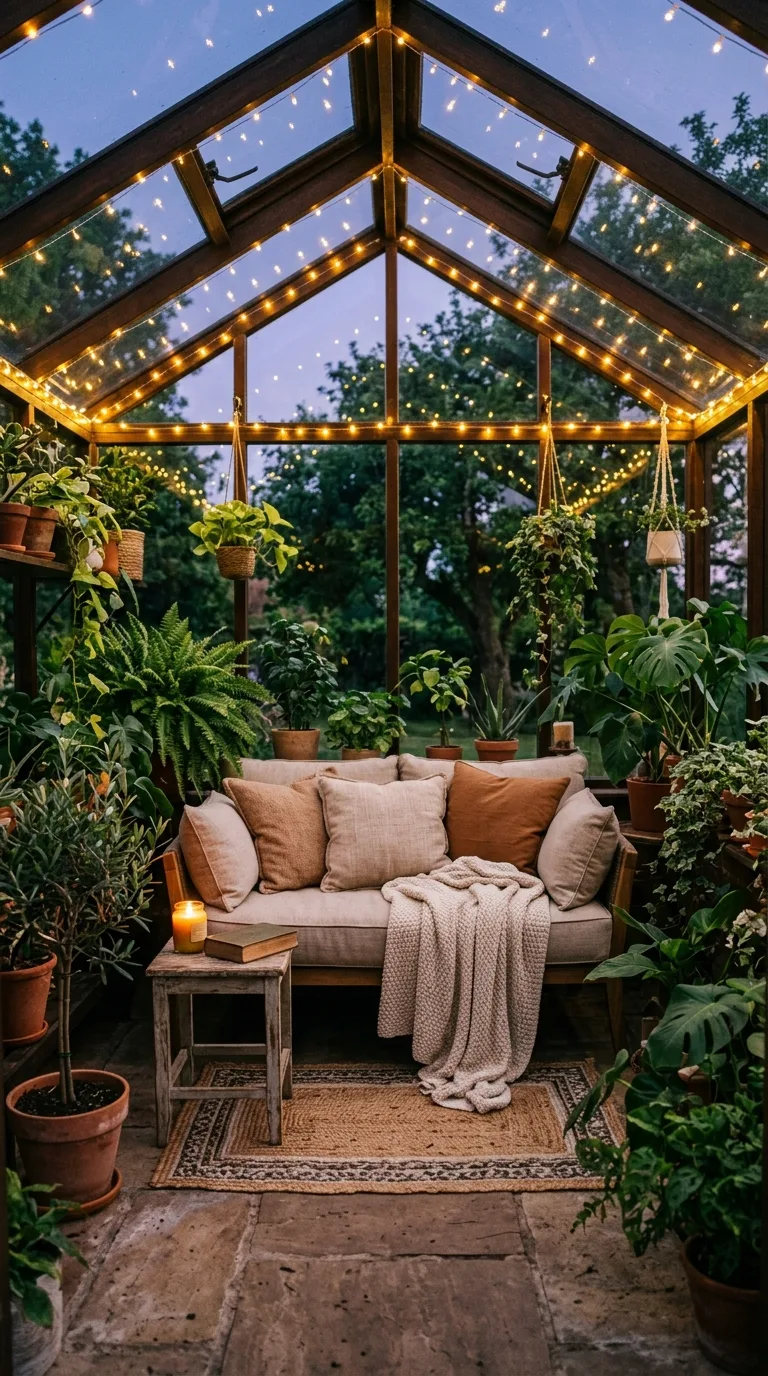
Designing your greenhouse as a genuine four season living room with comfortable seating, soft lighting, a small heater for winter, and plants arranged as living decor rather than crops creates an extraordinary bonus room that can be enjoyed every single day of the year regardless of the weather outside. This is a greenhouse designed for people first and plants second.
A comfortable loveseat or daybed, a soft rug, fairy lights strung along the roof frame, and a small table for drinks and books make this greenhouse feel like a sunroom with the added magic of being completely surrounded by growing plants. The warmth and humidity that plants thrive in also happens to feel wonderful to humans, making a greenhouse living room one of the most comfortable rooms you will ever sit in.


