

24 Master Bedroom Ideas That Look Expensive
A master bedroom looks expensive when the basics are right: a bed dressed in good layers, curtains hung high, light from several warm sources and a few well-made details repeated around the room. Most of that comes down to proportion and finishing rather than spending.
Below are 24 ideas, each with how to do it and one practical thing to know. Start with the basics, which cover the measuring, lighting and safety steps that styling can’t fix later.
Get the basics right
Anchor heavy furniture
Dressers, chests and tall cabinets can tip if a child climbs them or pulls out several drawers. CPSC’s Anchor It campaign advises anchoring all furniture with drawers, doors and shelves to the wall, then tugging on the straps to check them.
Measure before you buy
A queen mattress is 60 by 80 inches and a king is 76 inches wide. Measure the wall, the walkways and the space drawers need to open before choosing a headboard, rug or bench, since proportion is what makes a room look finished.
Layer the light
Plan a dimmable ceiling light, a lamp or sconce on each side of the bed and one more lamp for evenings. ENERGY STAR groups soft white and warm white bulbs in the 2200–3000K range, the warm tone of old incandescent bulbs.
Test colors and fabrics in the room
Paint, wood and fabric look different at home than in a store. Put large samples on the wall and look at them in daylight and lamplight before you commit.
The 24 ideas at a glance
| Idea | What it adds | Effort | Watch for |
|---|---|---|---|
| Upholstered headboard | A soft focal point | Moderate | Cleaning code |
| Layered white bedding | Texture and comfort | Easy | Inflated thread counts |
| Matching nightstands | Symmetry | Easy | Anchor pieces with drawers |
| Ceiling-height curtains | Height | Moderate | Cordless shades |
| Statement light | A focal point overhead | Moderate | Support for heavy fixtures |
| Oversized art | Scale and color | Easy | Secure hanging |
| Euro shams | A fuller bed | Easy | Sizes that fit the bed |
| Bench at the foot | Seating, a finished bed | Easy | Walkway space |
| Brass hardware | Warm detail | Easy | Hole spacing |
| Moody accent wall | Depth and contrast | Moderate | Test samples |
| Textured throw | Warmth and texture | Easy | Clothes moths |
| Ceramic or stone lamps | Weight and warm light | Easy | Maximum wattage |
| Organized closet | Order | Moderate | Anchor freestanding units |
| Large rug | Softness, a defined bed area | Moderate | Non-slip pad |
| Fresh flowers | Life and color | Easy | Lilies are toxic to cats |
| Wall sconces | Clear nightstands | Moderate | Wiring |
| Panel molding | Architectural detail | Major | Lead paint before 1978 |
| Edited nightstands | Calm surfaces | Easy | Cords |
| Warm paint | A soft backdrop | Moderate | Ventilation |
| Door hardware | A solid feel | Easy | Backset and door thickness |
| Dimmer and lamps | Flexible light | Moderate | Dimmable LEDs |
| Crown molding | A finished ceiling line | Major | Coping corners |
| Dresser tray | Order on surfaces | Easy | Spills on marble |
| Hardcover books | Personality | Easy | Sun fading |
1. Upholstered Headboard in a Neutral Fabric
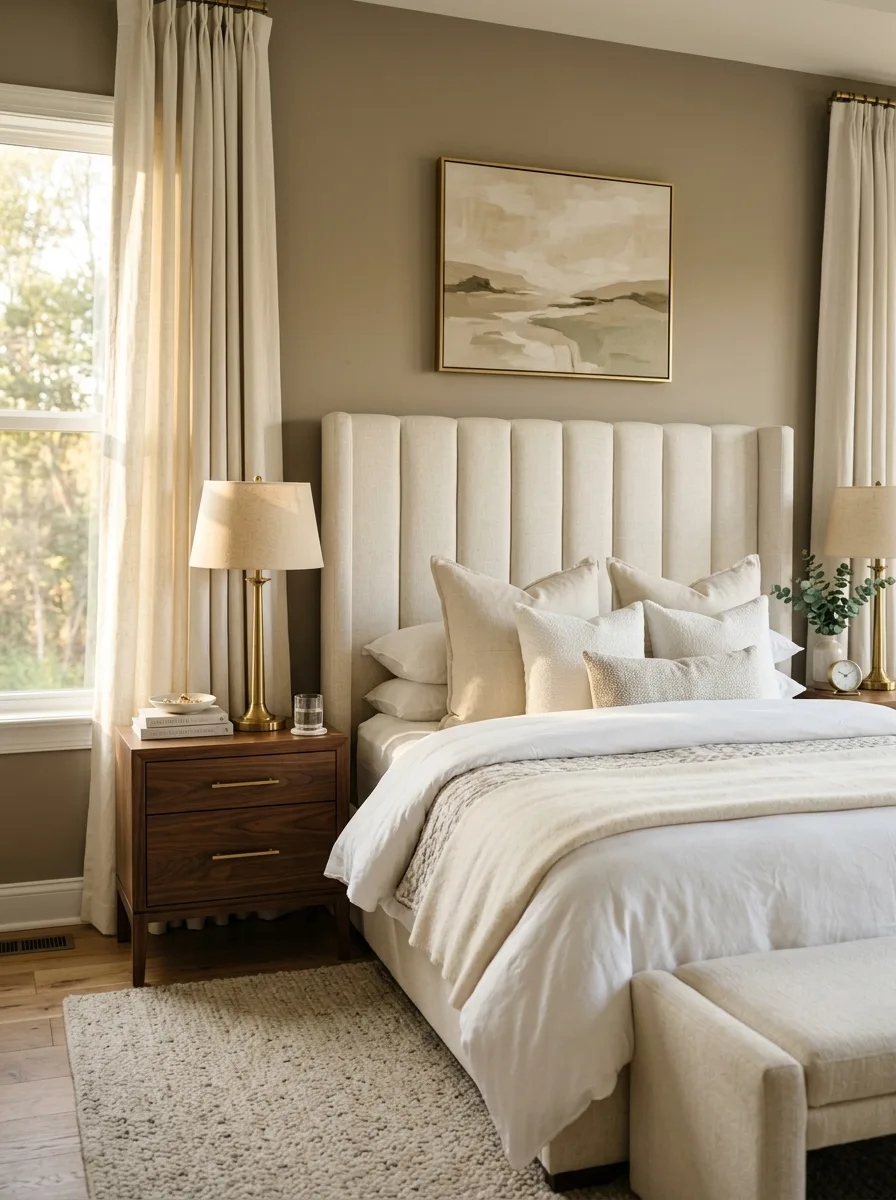
A large upholstered headboard in oatmeal linen, cream boucle or taupe velvet gives the room a soft, tailored focal point and a comfortable back rest. Channel stitching or tufting adds detail; a plain front looks calmer. Make it at least as wide as the mattress and tall enough to show above a full row of pillows. A neutral color lets you change bedding without it clashing.
Good to know: check the cleaning code before you buy: W means water-based cleaners, S solvent only, W/S either and X vacuum only. A pale headboard you lean on nightly is easier to keep clean in W or W/S fabric.
2. Layered White and Cream Bedding
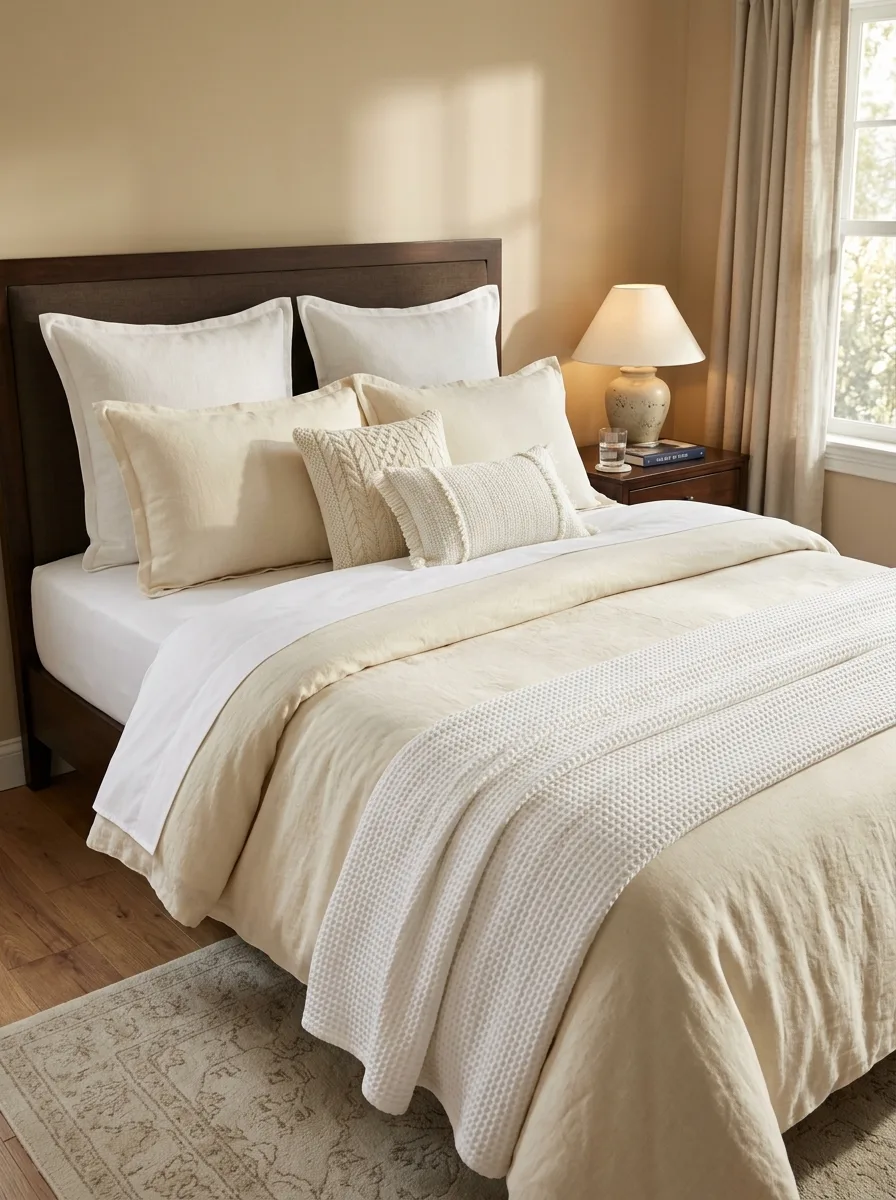
Layering whites and creams gives a bed depth without competing colors: white sheets, a cream duvet, a white throw at the foot and pillows in ivory and off-white. Vary the textures, such as smooth percale, waffle weave, linen shams and a chunky knit, so each layer catches light differently. For more ways to build an all-white bed, see these Nancy Meyers bedroom ideas.
Good to know: choose sheets by fiber and weave, not thread count. FTC staff have warned that counting each ply of a multi-ply yarn inflates the number, so a 600-count two-ply sheet is really a 300-count fabric.
3. Matching Nightstands With Symmetry
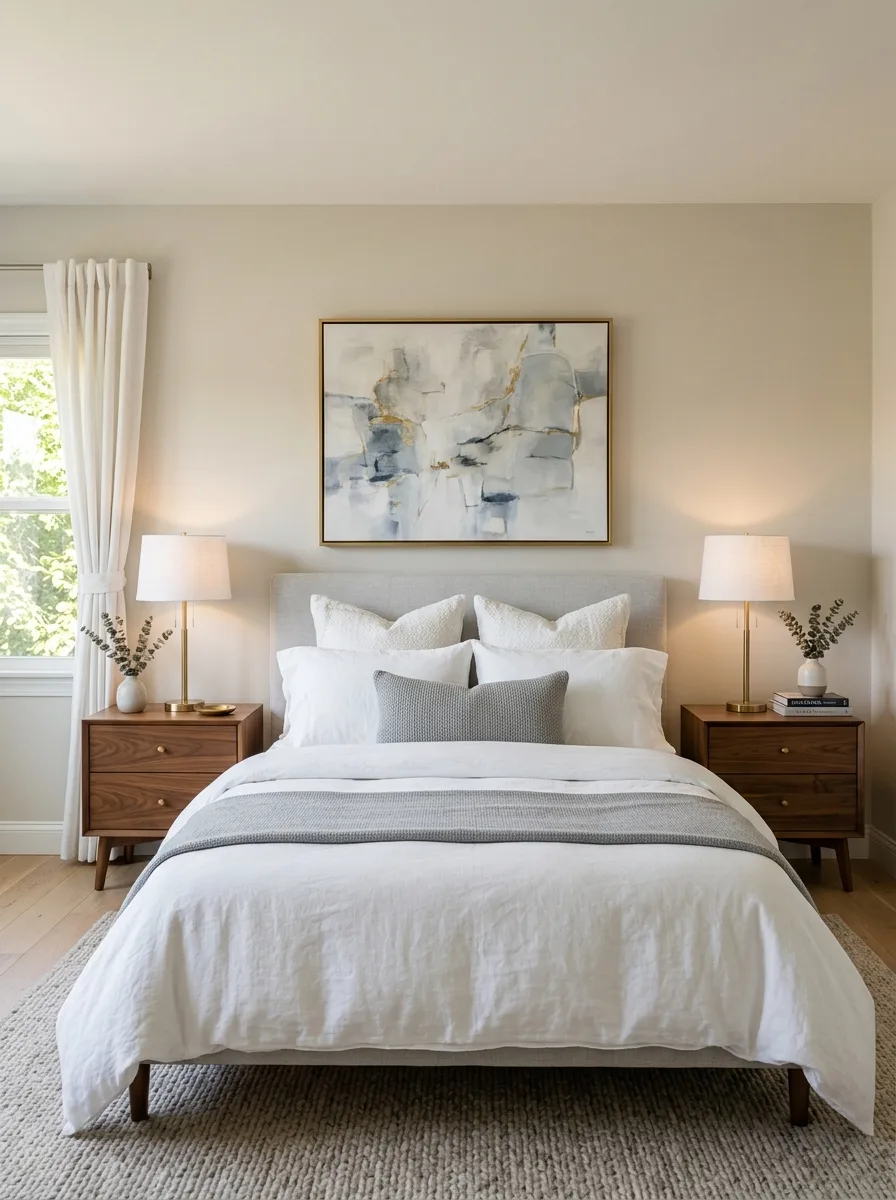
Identical nightstands with matching lamps on each side of the bed give the room a balanced, composed look. Clean-lined pieces in walnut, oak or white lacquer suit most styles. Style both tops the same way, or as mirror images, so the pair reads as one composition.
Good to know: a top close to the height of the mattress is easiest to reach from bed. Nightstands with drawers count as furniture to anchor if children live in or visit the home.
4. Floor Length Curtains Hung From Ceiling Height
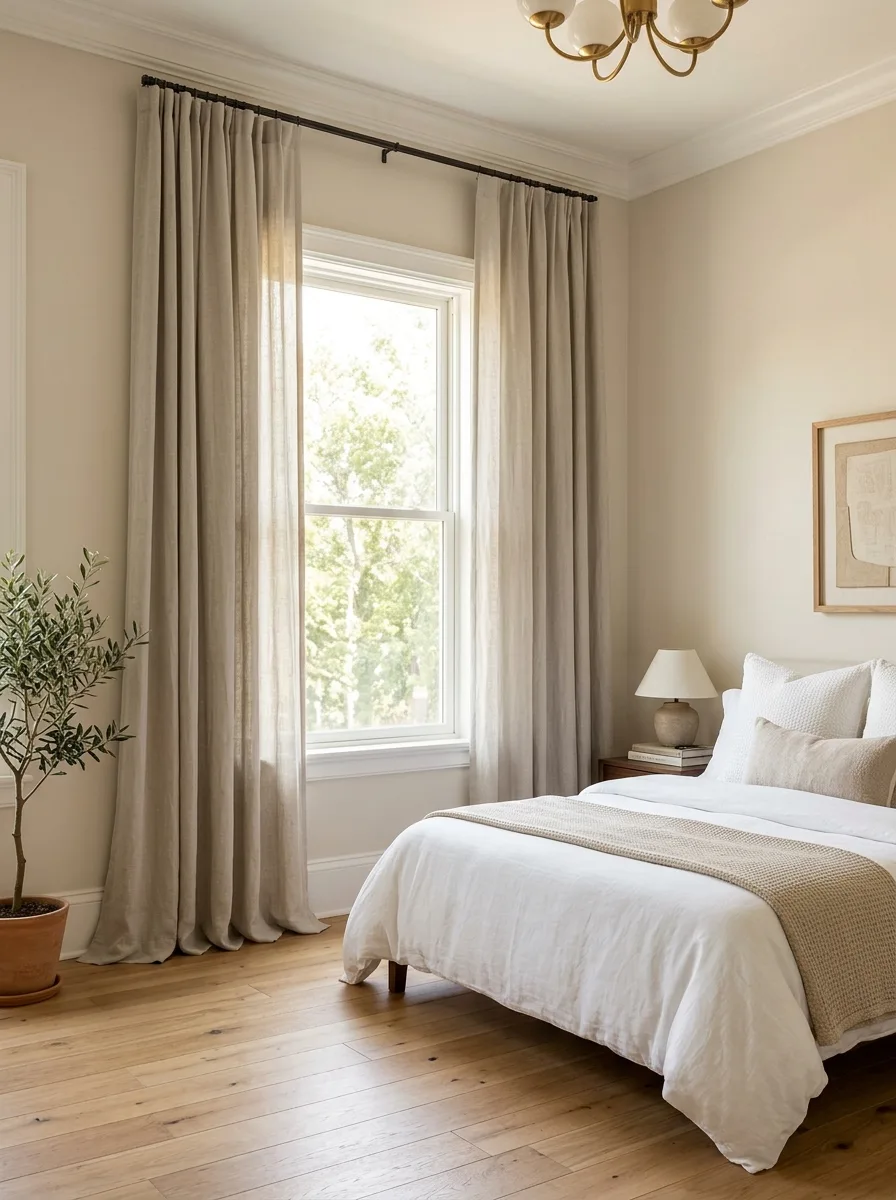
Hanging curtains from just below the ceiling, with the rod extending past the window frame, makes the ceiling look higher and the window larger. Choose heavyweight linen, velvet or lined cotton so the panels hang in full folds, in a color a shade lighter or darker than the walls. Let them just touch the floor or break slightly; deep puddles of fabric collect dust and pet hair.
Good to know: if you add blinds or shades behind the curtains, choose cordless ones in any room where a child may be. CPSC advises cordless window coverings because window cords can strangle young children.
5. Statement Chandelier or Pendant Light
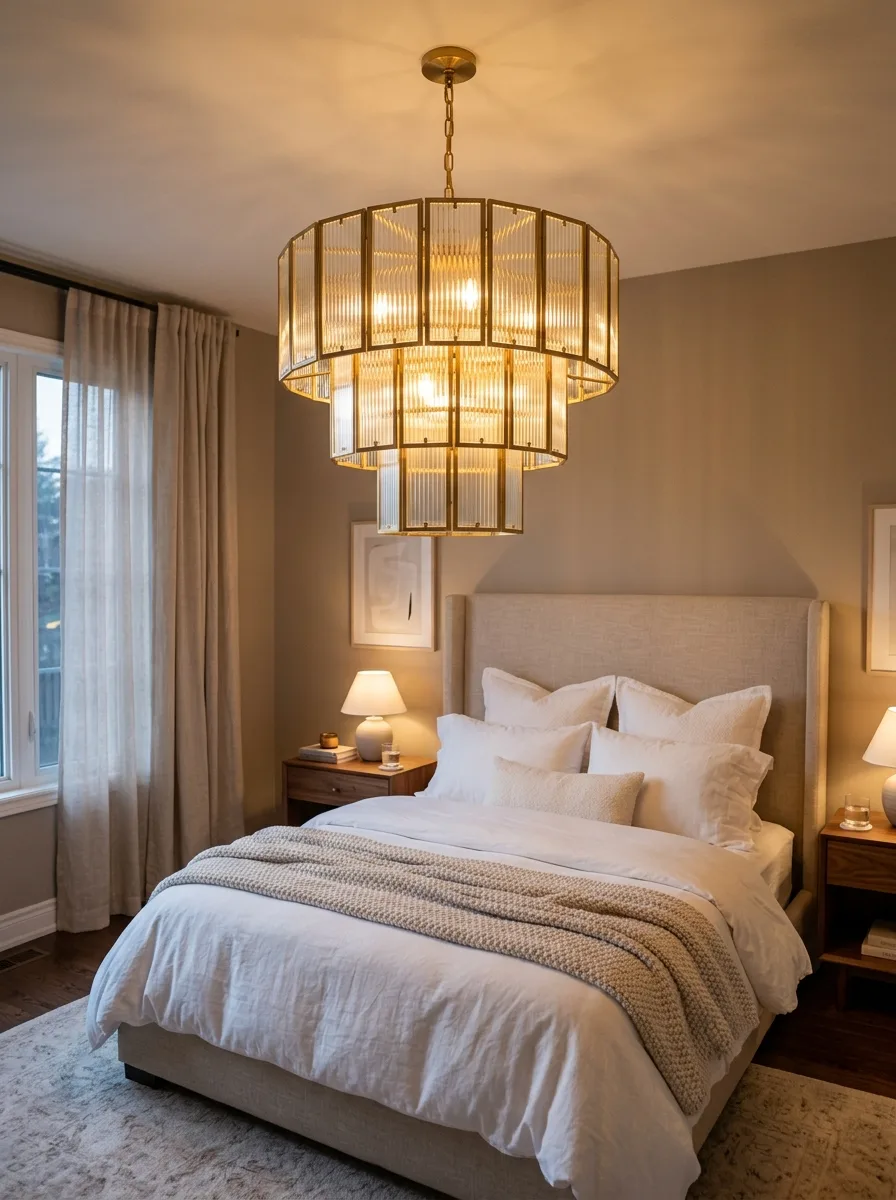
A chandelier or sculptural pendant in place of a flush-mount light gives the room a focal point overhead. Brass and glass read as glamorous, white plaster or ceramic as modern, and beaded or woven shades as relaxed. Size it generously for the room, center it or hang it over the foot of the bed, and put it on a dimmer.
Good to know: the National Electrical Code requires a fixture over 50 pounds to be supported independently of the electrical box unless the box is listed for that weight, so have an electrician install heavy fixtures.
6. Oversized Art Above the Bed
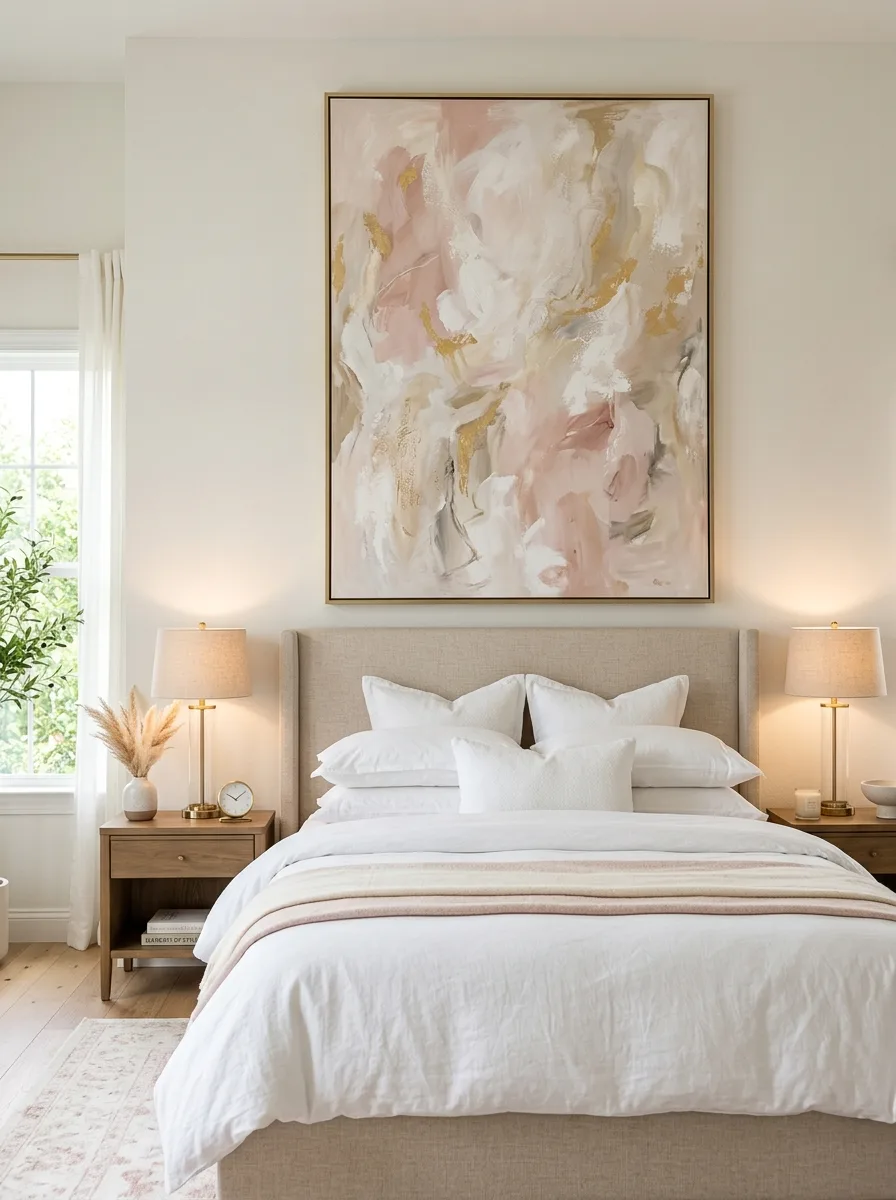
One large piece of art above the bed makes a stronger statement than several small ones. Choose colors that relate to the bedding and walls without matching them exactly. A common guideline is to make it about two-thirds the width of the headboard and hang it with the bottom edge roughly 6 to 12 inches above. For more on choosing and hanging art, see these wall art ideas.
Good to know: use two hooks or a French cleat so a large frame can’t swing or slip. In earthquake-prone areas, emergency agencies advise hanging heavy frames and mirrors away from beds.
7. Euro Shams Behind Regular Pillows
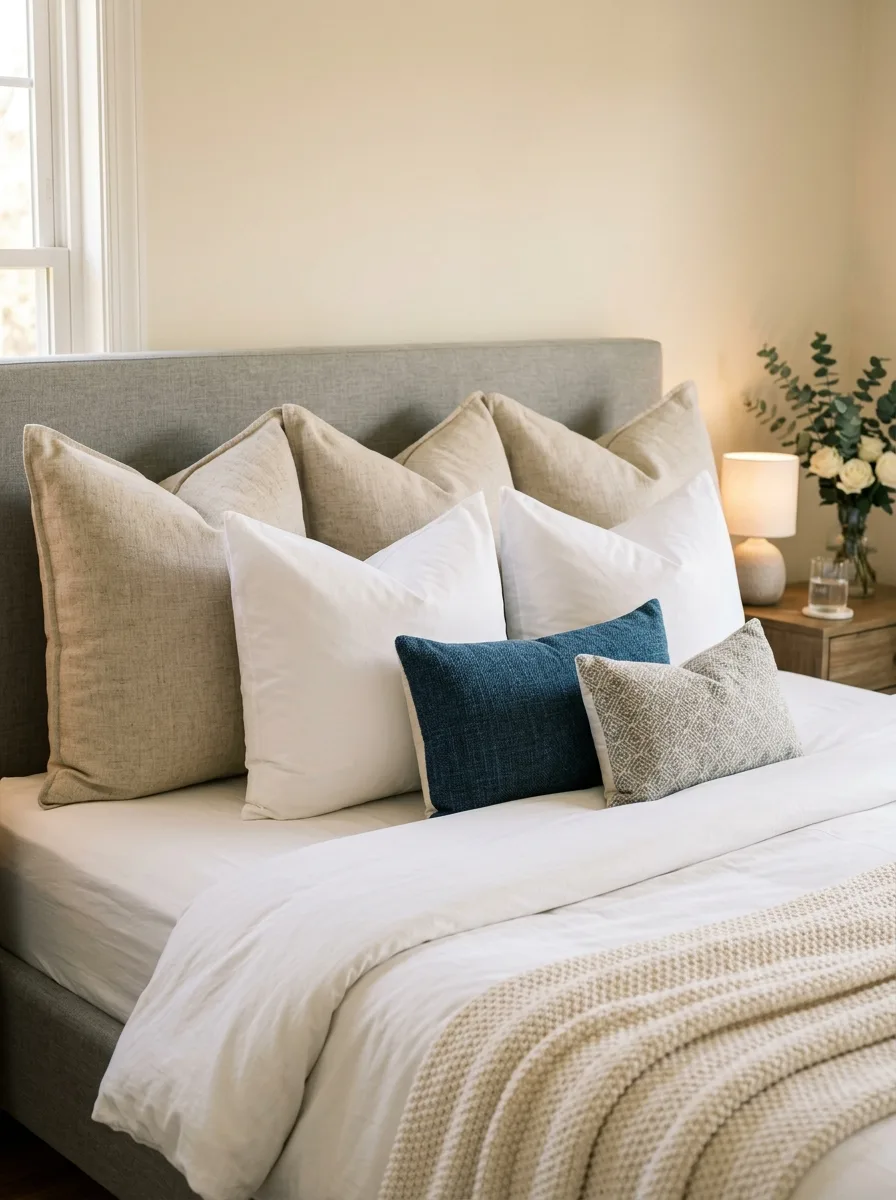
Large square Euro shams behind the sleeping pillows fill the space against the headboard and make the bed look fuller. Euro shams are usually 26 inches square, so two cover most of a 60-inch queen and three span a 76-inch king. Use a fabric that contrasts with the pillowcases, such as linen or quilted shams behind smooth cotton.
Good to know: every pillow comes off at night, so give the extras somewhere to go, such as the bench at the foot of the bed.
8. Bench or Ottoman at the Foot of the Bed
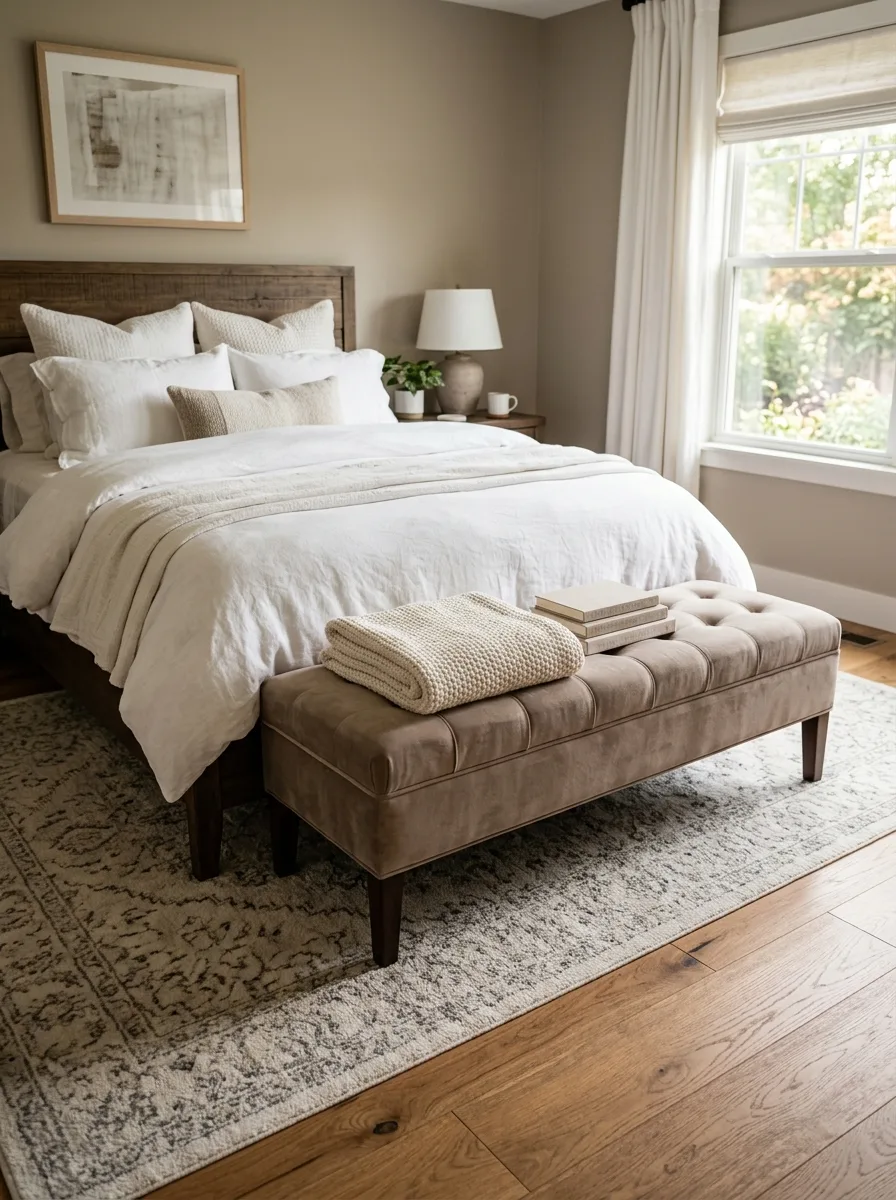
An upholstered bench or ottoman at the foot of the bed gives you somewhere to sit while putting on shoes and a place for blankets and pillows at night. A velvet bench that matches the curtains or headboard ties the room together; leather looks tailored. Choose one slightly narrower than the bed.
Good to know: measure the space between the foot of the bed and the dresser or wall first, so the bench doesn’t block the walkway.
9. Warm Brass or Gold Hardware
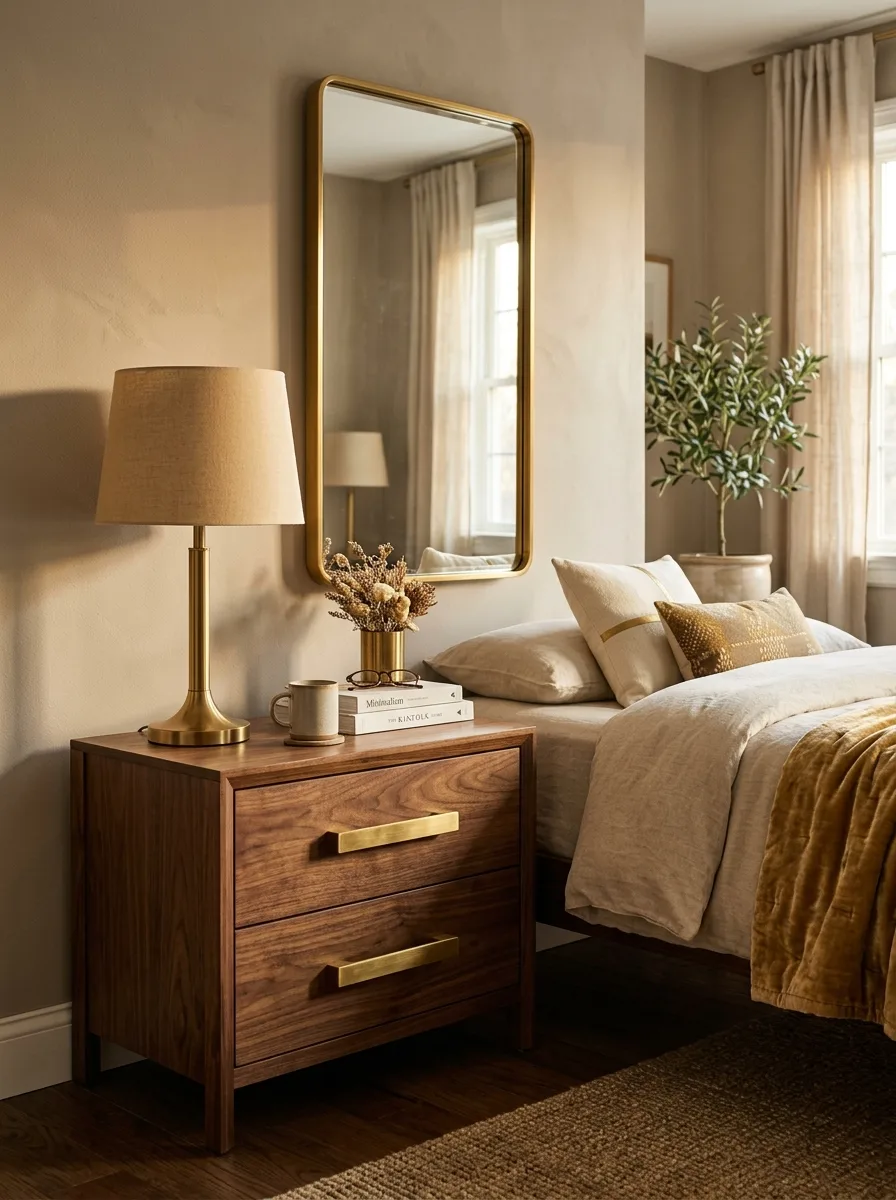
Swapping chrome or plain nickel pulls for brass or gold-tone hardware on dressers and nightstands is one of the smaller jobs with a visible result. Repeat the same tone on lamp bases, curtain rods and frames so the warm metal reads as a deliberate thread through the room.
Good to know: measure the center-to-center distance between the existing screw holes and buy pulls with the same spacing, so you don’t have to fill old holes and drill new ones.
10. Moody Accent Wall Behind the Bed
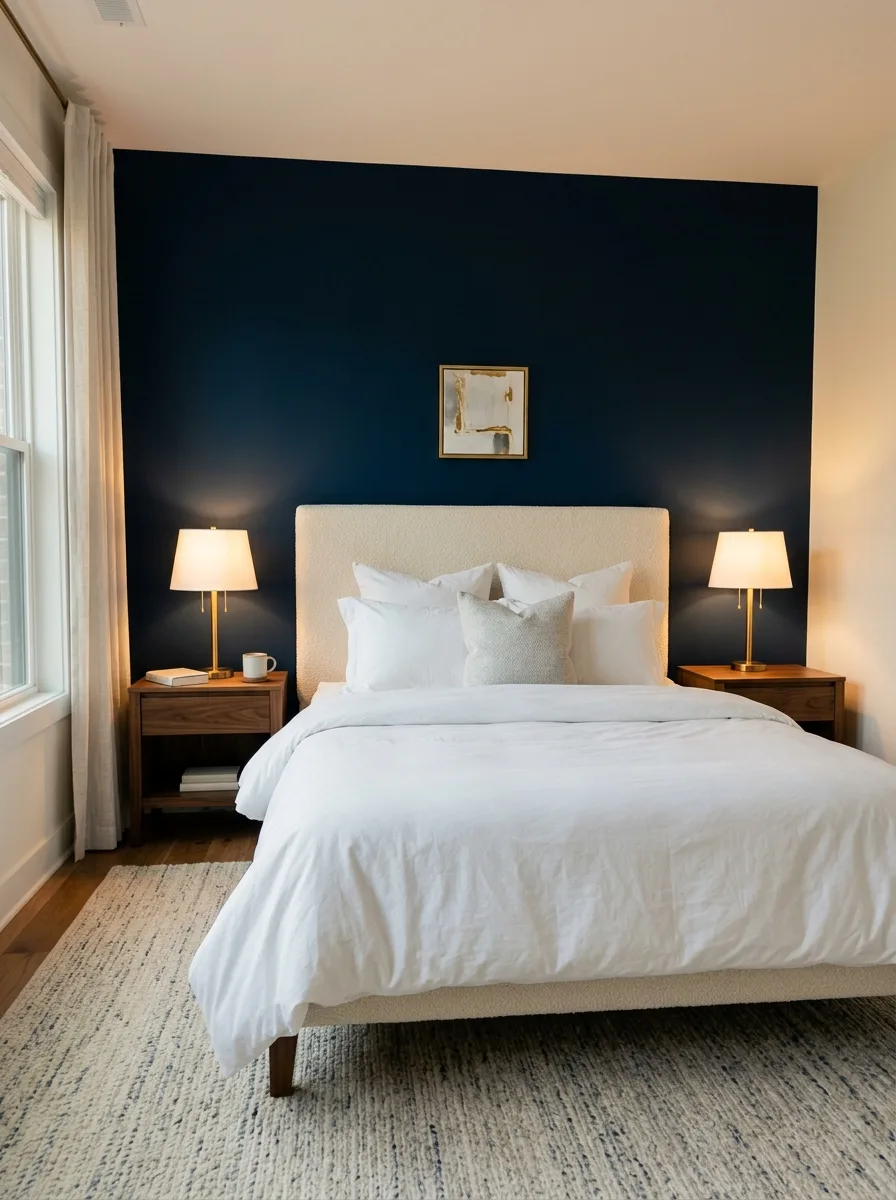
Painting the wall behind the bed in deep navy, charcoal, forest green or dark clay frames the bed and makes light bedding stand out. Keep the other three walls in a lighter neutral so the room doesn’t feel dark. Wood nightstands, brass lamps and white linen all show well against a dark wall.
Good to know: paint large samples and look at them at night under your lamps, since dark colors shift a lot. A flat or matte finish hides wall flaws, but eggshell is easier to wipe clean.
11. Textured Throw Blanket at the Foot
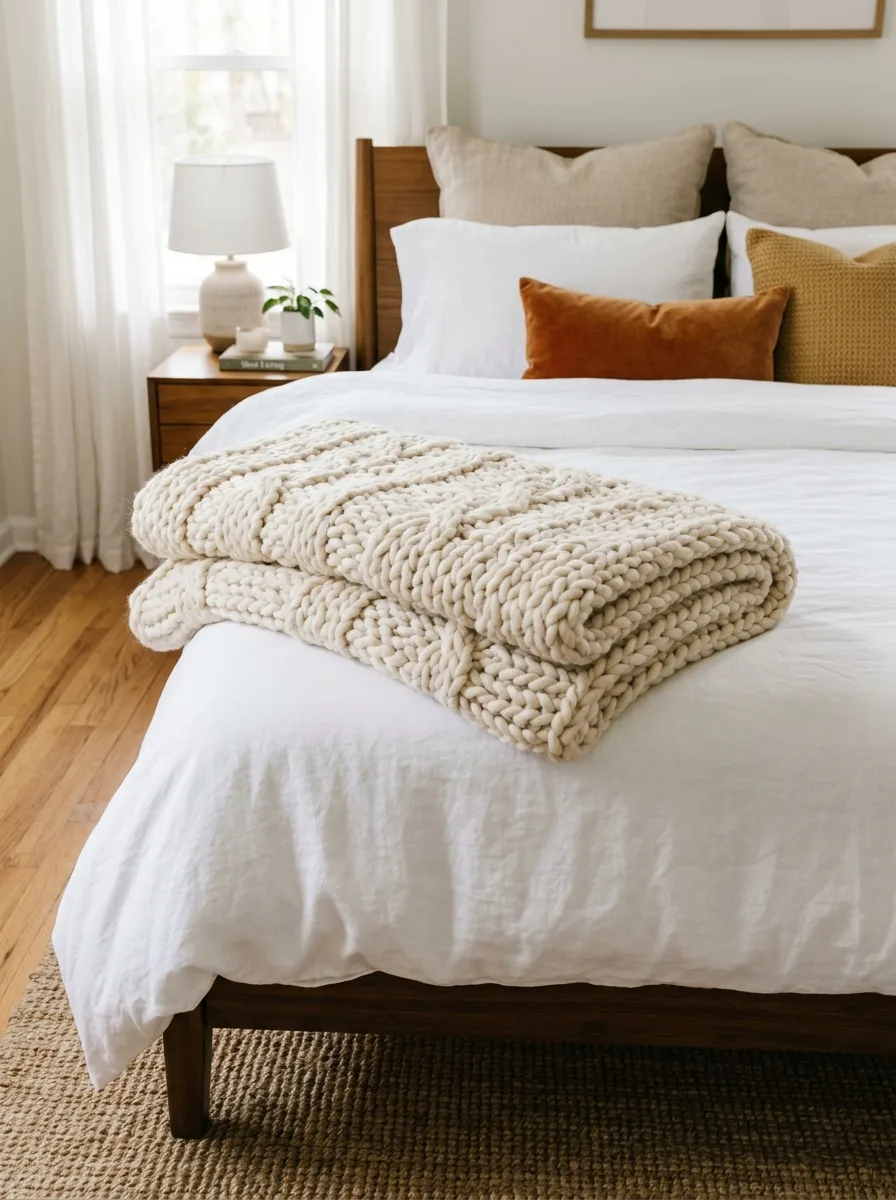
A textured throw across the foot of the bed adds weight and contrast against a smooth duvet: a chunky merino knit, a fringed herringbone or a soft cashmere in a related tone. Fold it in thirds lengthwise across the lower part of the bed for a neat look, or drape it over one corner.
Good to know: University of Maryland Extension notes that clothes moth larvae feed mainly on soiled wool, so clean wool and cashmere throws before storing them, and keep them in sealed containers in warm months.
12. Table Lamps With Ceramic or Stone Bases
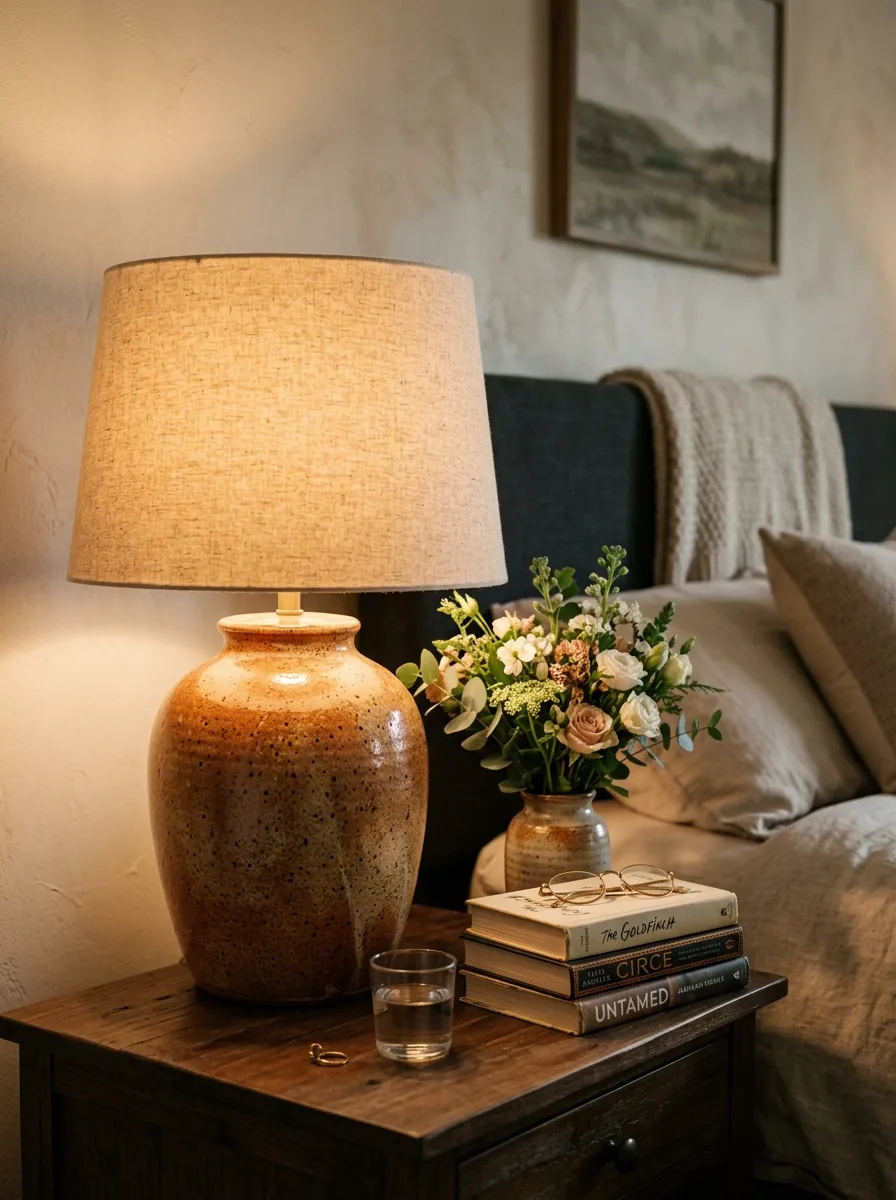
Lamps with heavy ceramic, stone or marble bases look and feel more solid than thin metal or plastic ones, and the base becomes a decorative object. Pair them with linen or silk shades that diffuse the light, sized in proportion to the base, with the shade’s lower edge near eye level when you sit up in bed.
Good to know: never use a bulb above the lamp’s maximum wattage rating. A heavy base also makes a lamp harder to knock over when you reach for it in the dark.
13. Built In or Styled Closet System

If the closet is visible from the bedroom, an organized system makes the whole room look finished. Replace mixed wire and plastic hangers with slim matching ones, group clothes by type and color, and add a few lidded boxes or baskets on the top shelf for out-of-season items.
Good to know: freestanding closet towers and wardrobes are tall furniture, so anchor them to the wall like a dresser.
14. Plush Area Rug Under the Bed
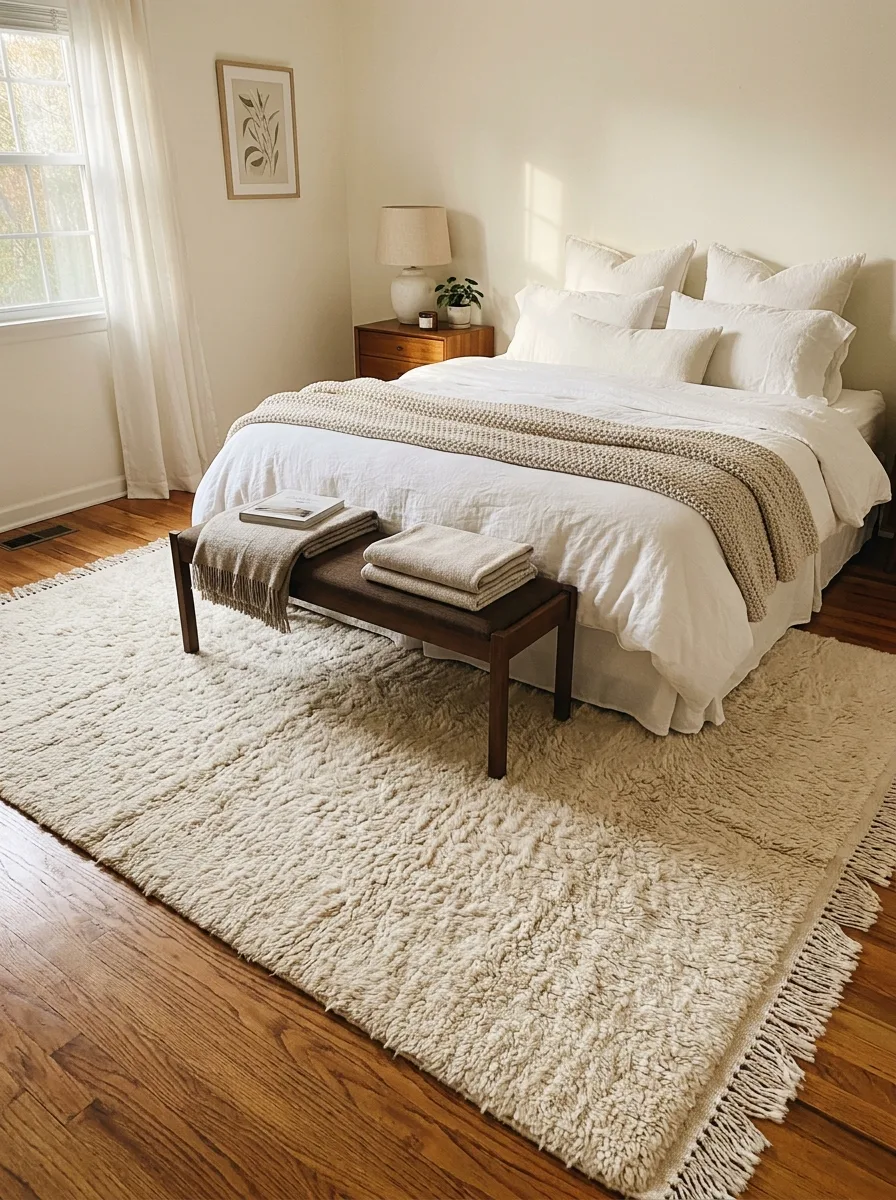
A large rug under the bed defines the sleeping area and gives soft footing in the morning. A common guideline is for it to extend 18 to 24 inches past each side of the bed, which usually means an 8-by-10 rug for a queen and 9-by-12 for a king. Wool in cream, soft gray or warm beige is resilient and easy to live with.
Good to know: put a non-slip pad, cut slightly smaller than the rug, underneath. CDC’s fall-prevention checklist advises double-sided tape or a non-slip backing so rugs don’t slide.
15. Fresh Flowers on the Nightstand
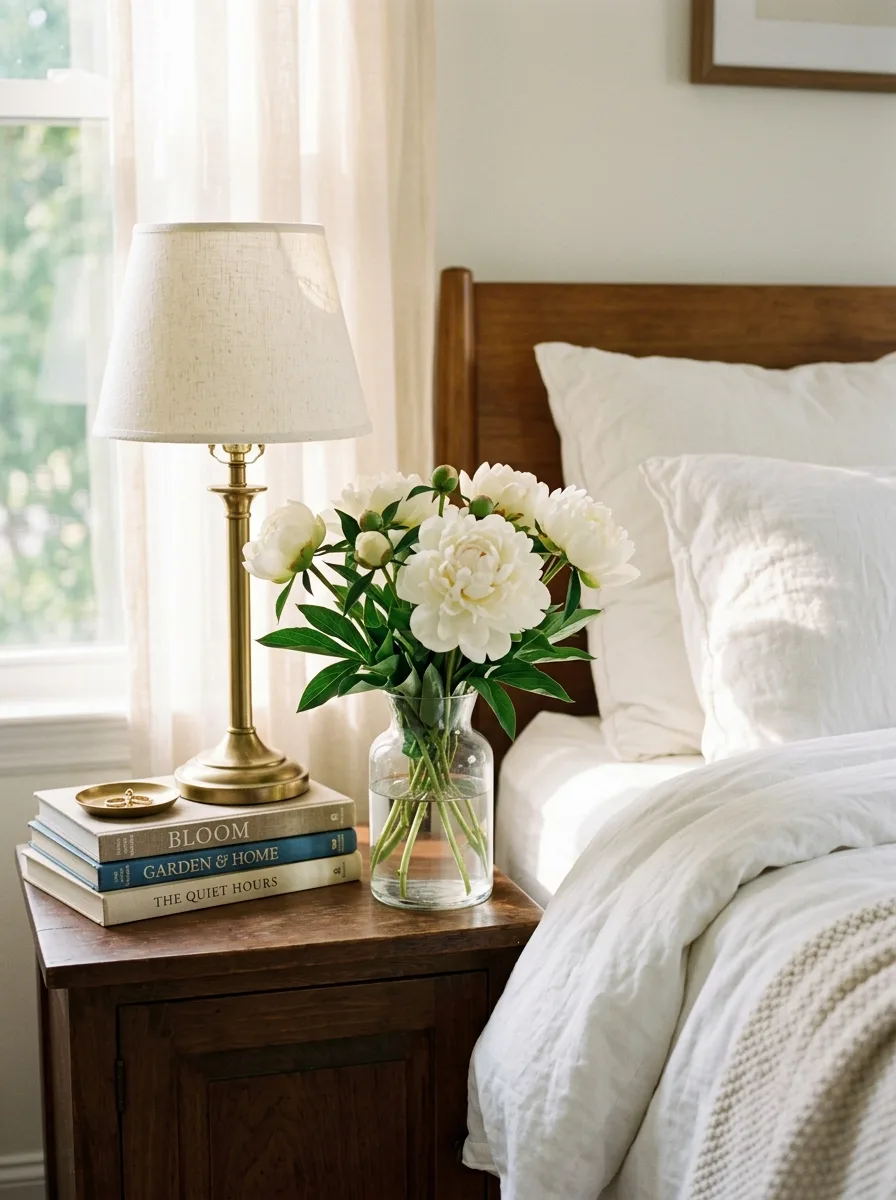
A small vase of fresh flowers on the nightstand or dresser adds color and makes the room look cared for. A few stems of white roses, garden roses or eucalyptus in a simple glass or ceramic vase are enough. Recut the stems and change the water every couple of days so they last.
Good to know: if you have a cat, leave out true lilies and daylilies: the FDA warns that a little pollen or the vase water can cause fatal kidney failure in cats. The ASPCA lists peonies and eucalyptus as toxic to cats and dogs, while roses are non-toxic.
16. Sconces Instead of Table Lamps
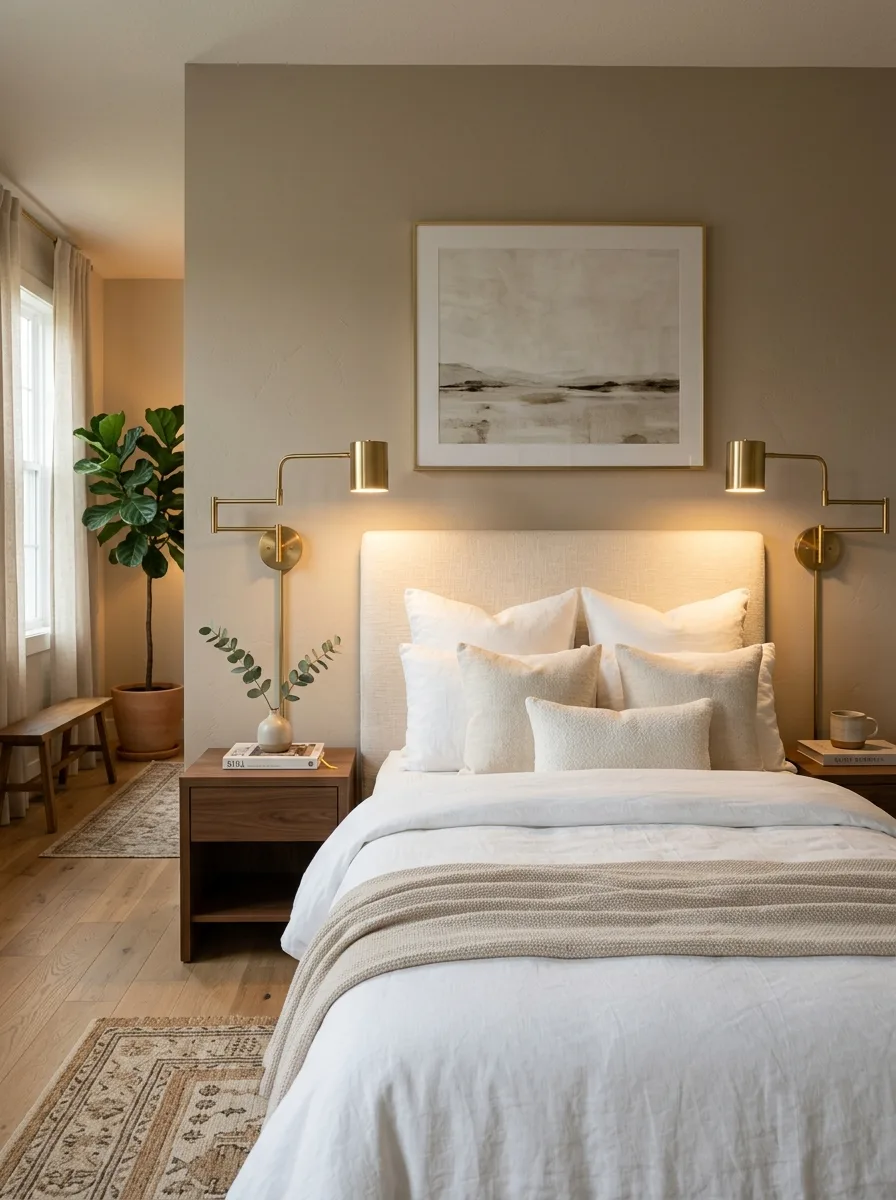
Wall-mounted sconces on either side of the bed free up the nightstands and look built in. Swing-arm or adjustable heads let you aim light at a book. Before drilling, have someone sit up in bed to check that the light falls on the page and the bulb isn’t in their eyes. Match the finish to the room’s other metal.
Good to know: hardwired sconces need a junction box and new wiring, which is a job for a licensed electrician. Plug-in sconces avoid that; a paintable cord cover keeps the cord tidy.
17. Paneled or Wainscoted Accent Wall
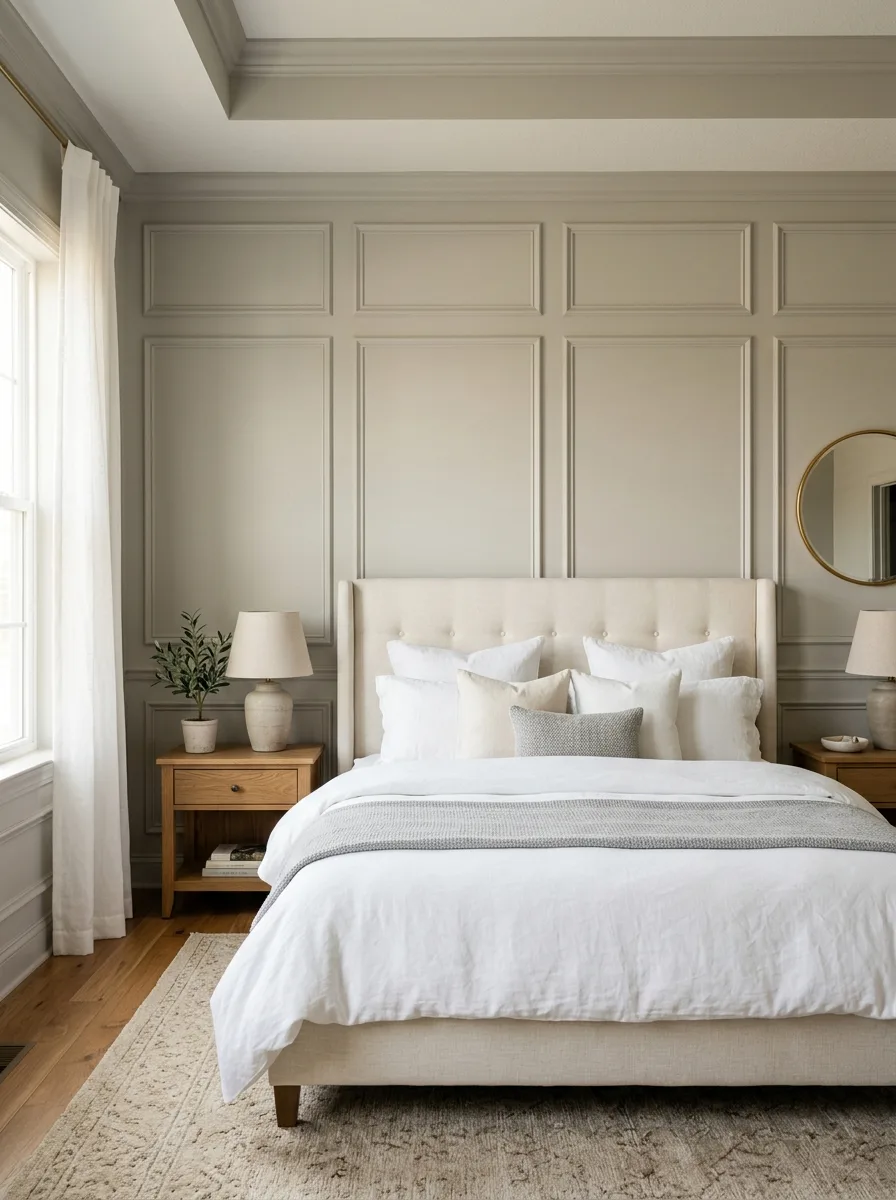
Rectangular panel molding or wainscoting on the wall behind the bed adds shadow lines and looks like custom millwork. Lay out the boxes with painter’s tape first, attach the molding with construction adhesive and brad nails, then fill the nail holes, caulk the joints and paint it the wall color.
Good to know: in a home built before 1978, sanding, cutting or removing old painted trim can release lead dust. EPA recommends a lead-safe certified contractor, or lead-safe work practices if you do the job yourself.
18. Minimalist Nightstand Styling
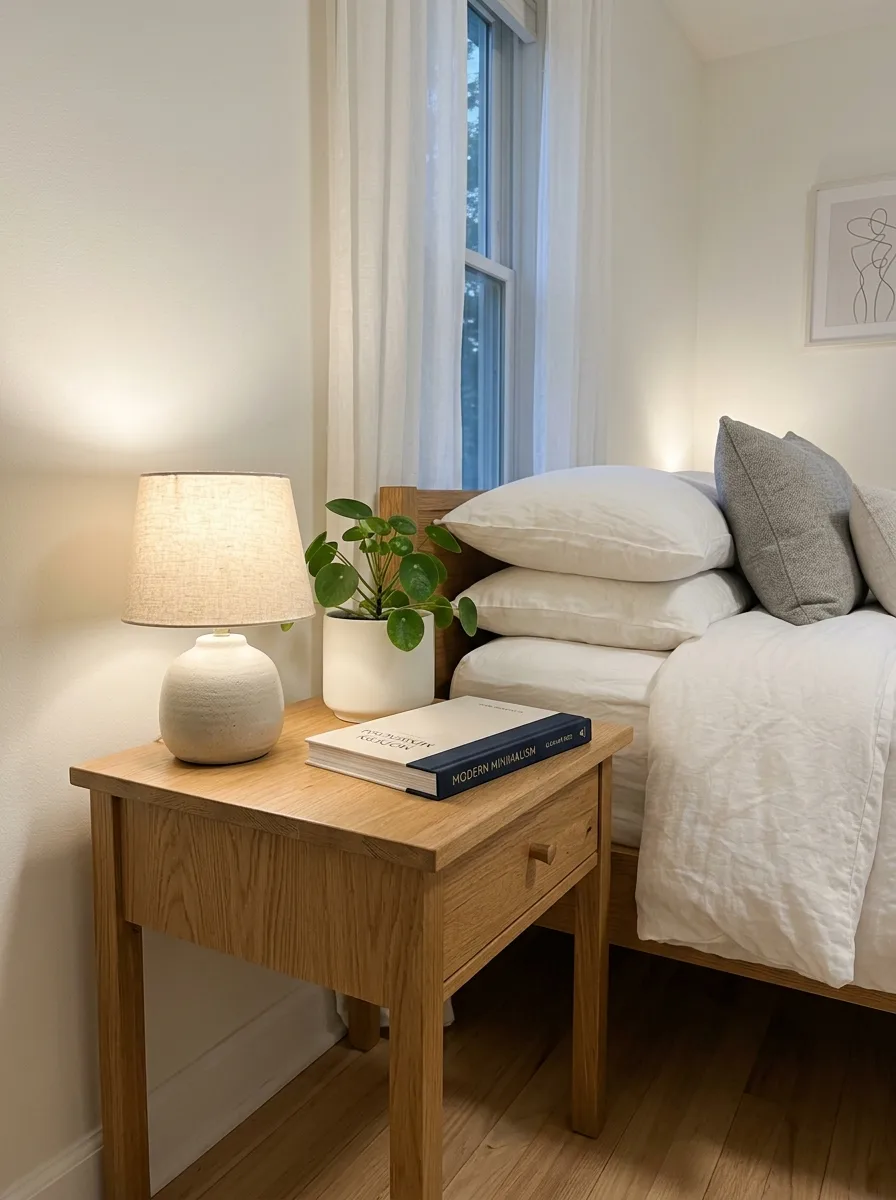
Keeping each nightstand to a lamp, a small dish and one book makes the room look calm and deliberate. Clutter here is one of the first things you see from bed. Move chargers, water bottles and papers into the drawer, or use a nightstand with a cutout at the back for cables.
Good to know: route charging cables along the wall rather than across the floor; CDC’s fall-prevention checklist advises coiling or taping cords next to the wall so no one trips.
19. Warm Paint in a Sophisticated Tone
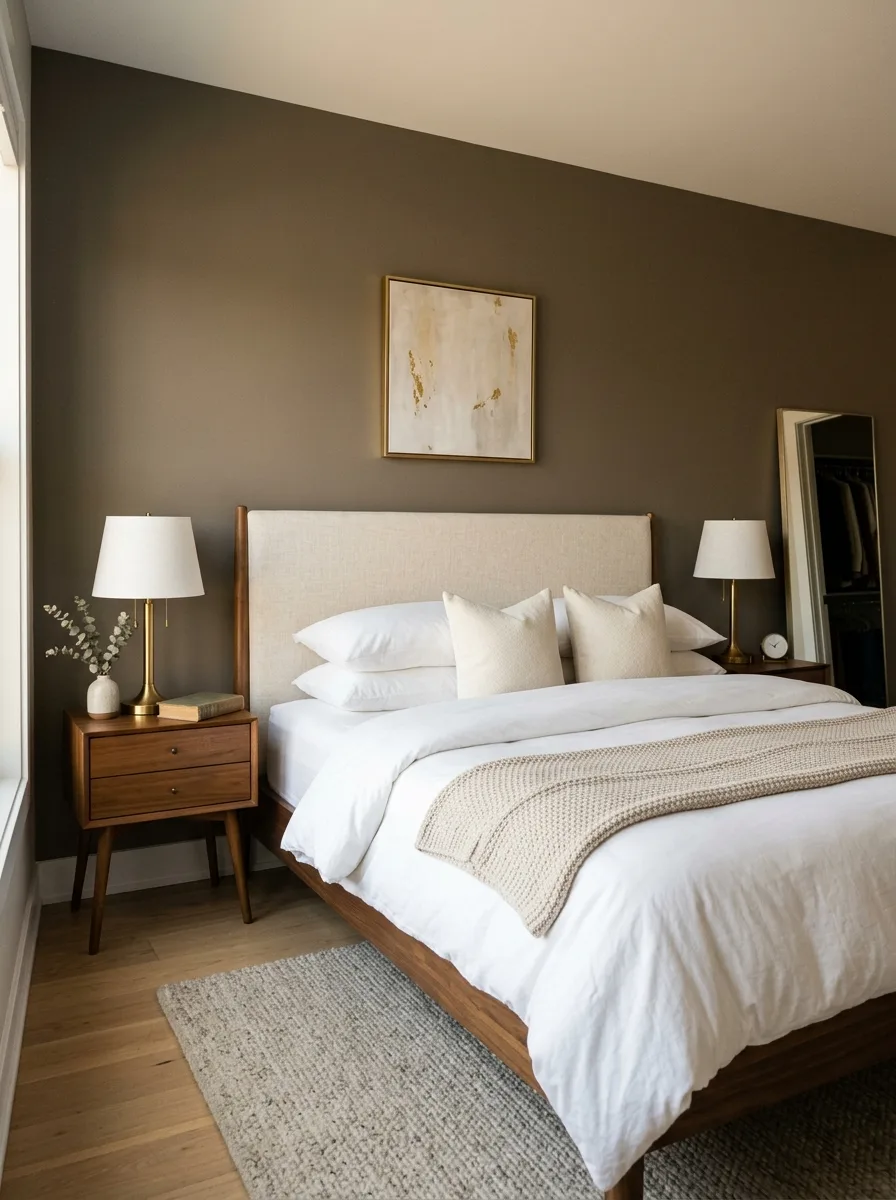
Warm, muted colors such as mushroom, greige, soft sage or pale clay give a master bedroom a softer, richer look than stark white, and they make white bedding look brighter and wood look warmer. A matte or eggshell finish has a soft, low sheen. Test large samples at different times of day, since warm neutrals change with the light.
Good to know: ventilate while you paint and afterward; EPA’s painting guidance suggests keeping windows open and fans running for about two to three days after painting, where weather allows.
20. Quality Closet or Bathroom Door Hardware
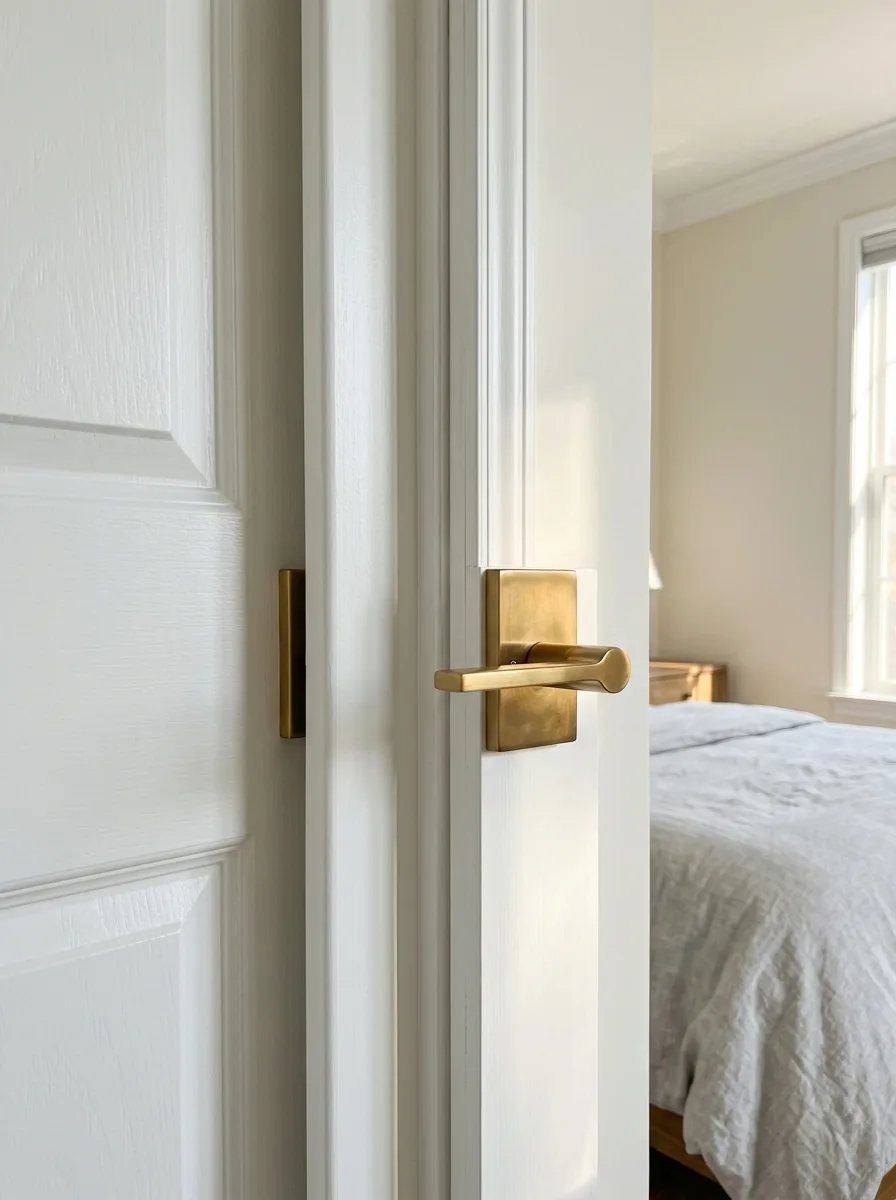
Replacing builder-grade door knobs with solid levers or knobs in brass or matte black is a detail people feel every time they open a door. Match the finish to the furniture hardware, curtain rods and light fixtures so the metals look planned.
Good to know: levers are easier for anyone with arthritis or full hands; the ADA Standards treat lever handles as usable without tight grasping or twisting of the wrist. Check your door’s thickness and backset before buying.
21. Layered Lighting With a Dimmer
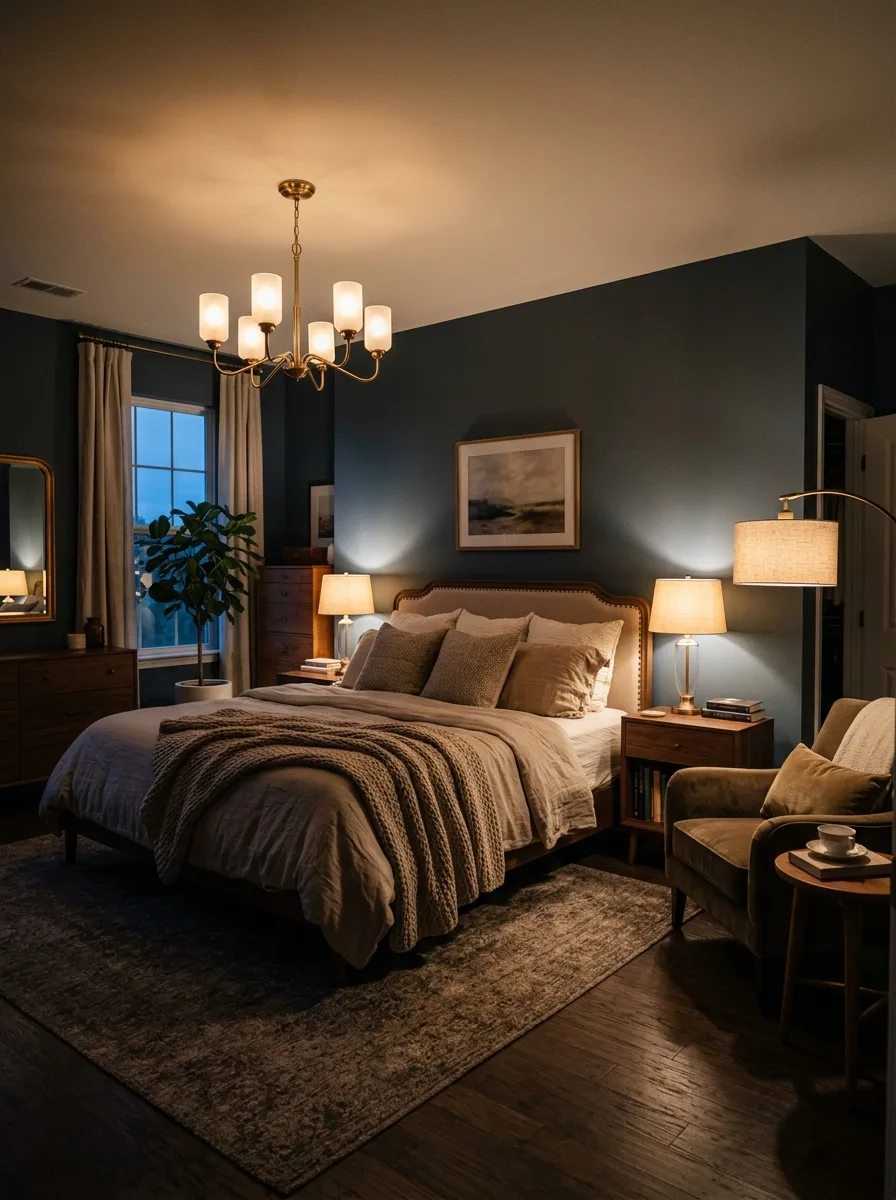
Layered lighting means several sources at different heights: a ceiling light on a dimmer, bedside lamps for reading and perhaps a floor lamp in a corner. Turning the ceiling light down and the lamps on gives a soft evening light, and each source can be adjusted for what you’re doing.
Good to know: the Department of Energy notes that LED bulbs must be designed for dimming to work with a dimmer, so check that the bulbs are labeled dimmable and the dimmer is rated for LEDs. Turn off the breaker before swapping a switch, or hire an electrician.
22. Crown Molding at the Ceiling Line
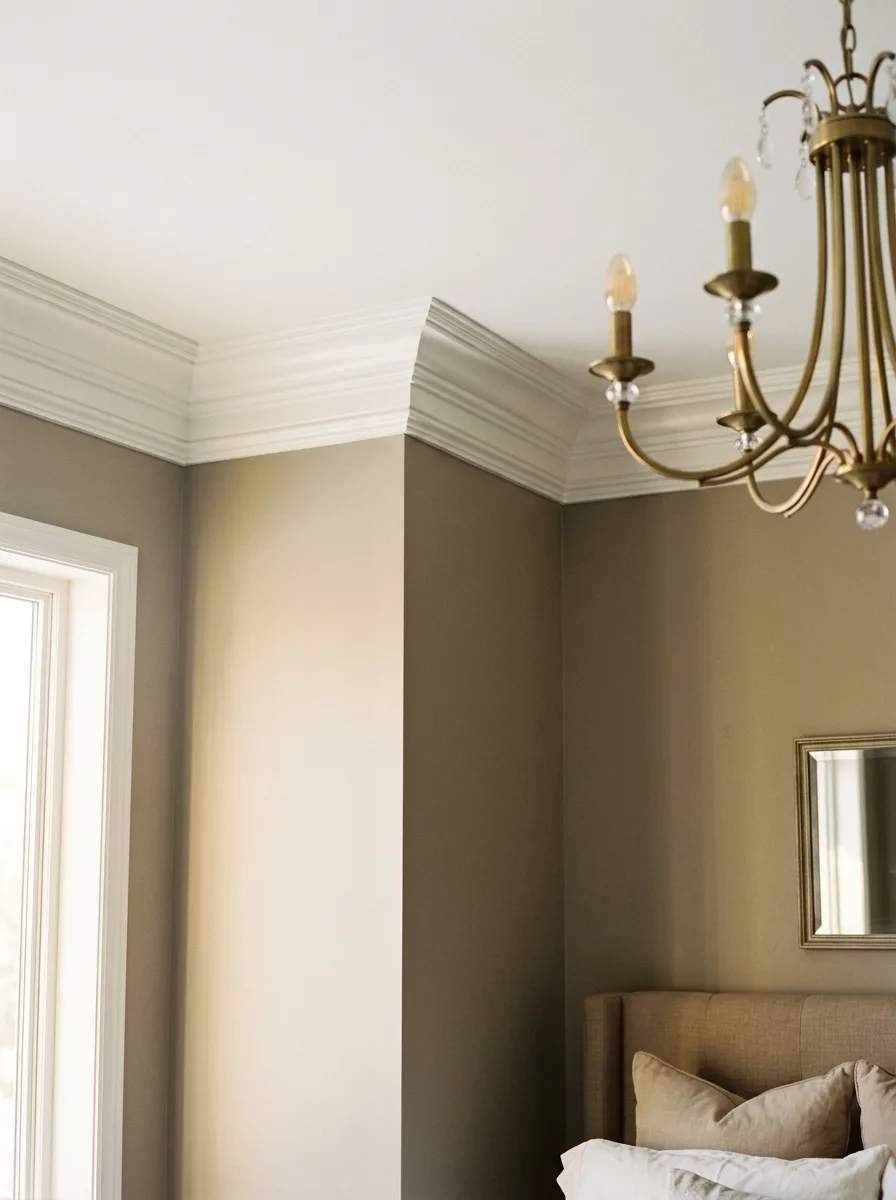
Crown molding where the walls meet the ceiling hides an uneven joint and gives the room a finished edge. A simple profile suits modern rooms, a more detailed one traditional rooms. Paint it the ceiling color for a quiet effect or the trim color for more contrast. Lightweight polyurethane crown is easier to handle than wood for a first project.
Good to know: inside corners are the hard part: they need accurate miter cuts or a coped joint, so practice on scraps first. In a pre-1978 home, test old trim for lead before removing or sanding it.
23. Decorative Tray on the Dresser
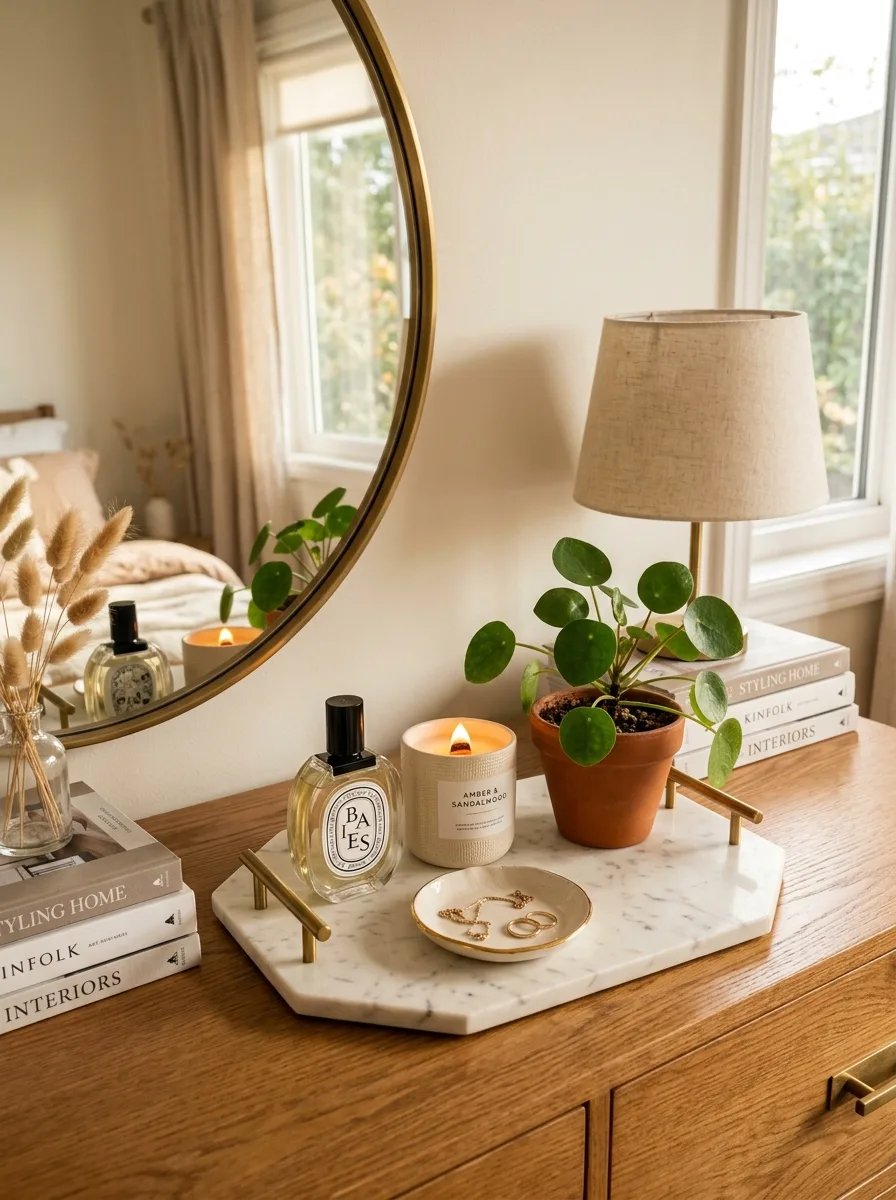
A tray on the dresser turns perfume, jewelry and a small candle or plant into one neat group. Marble, brass or lacquer trays add a richer material. Three to five items of different heights look balanced, and everyday items have one place to go back to.
Good to know: on a marble tray, wipe up spills quickly; the Natural Stone Institute warns that acidic products can dull or etch marble.
24. Hardcover Books as Decorative Objects
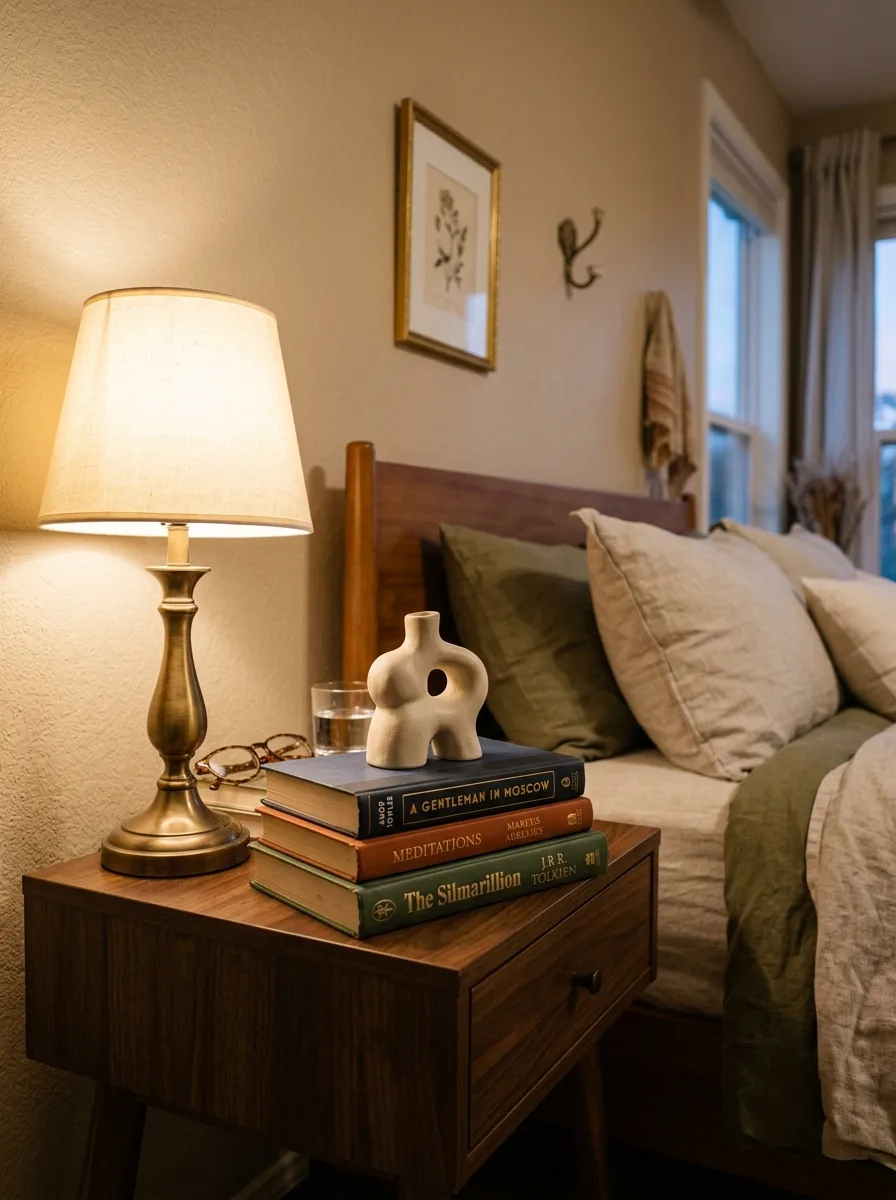
A short stack of hardcover books on a nightstand or dresser adds height, color and a personal note. Art, architecture and travel books with attractive covers or spines work well. Stack two or three horizontally and set a small object, such as a bowl or sculpture, on top.
Good to know: keep stacks out of strong direct sun, which fades covers and spines, and leave enough clear surface on the nightstand for a lamp, a glass and a phone.
Common mistakes to avoid
- Hanging curtains at the top of the window frame, which makes the window and ceiling look smaller.
- Choosing a rug that stops short of the sides of the bed.
- Relying on one ceiling light with cool, bluish bulbs.
- Leaving dressers, chests and wardrobes unanchored.
- Mixing several metal finishes with no clear main one.
- Sanding or removing old painted trim in a pre-1978 home without lead-safe precautions.
Master bedroom FAQs
What makes a bedroom look expensive?
Good proportions and finishing: curtains hung high, a rug large enough for the bed, layered bedding, warm light from several sources and one metal finish repeated around the room.
What size rug goes under a king bed?
Usually a 9-by-12. A common guideline is for the rug to extend 18 to 24 inches past each side of the bed.
Should nightstands match?
Matching pairs look formal and balanced. Mismatched pieces also work if they are close in height and share a color or material.
What paint finish is best for bedroom walls?
Matte or eggshell for walls, with satin or semi-gloss on trim and doors, is a common pairing. Matte hides flaws; eggshell is easier to wipe clean.


One Comment