

23 Heart Pattern Painting Ideas That Are So Cute
Hearts are an easy shape to repeat, which makes them good for patterns on cards, journal pages, canvases and gift wrap. Most of these designs need only a few colors and basic tools such as a brush, tape, a stencil or a homemade stamp.
Below are 23 heart pattern ideas, each with what you need and how to paint it. Start with the basics: matching the paint to the surface and making an even heart template.
Before you start
Match the paint to the surface
Watercolor needs watercolor paper, acrylic works on canvas, wood and heavy paper, and washable tempera is the easiest choice for young kids. For children, look for the ACMI AP seal, which ACMI recommends for kids in grade 6 and younger; ACMI says products with its CL seal should never be given to them. On fabric such as tote bags, use fabric paint and follow its directions.
Make an even heart template
Fold a piece of card in half, draw half a heart against the fold and cut it out. The unfolded heart is symmetrical, and you can trace it, use it as a stencil, or cut a sponge or potato stamp to match it.
Use tape and stencils for clean edges
Golden Artist Colors recommends low-tack painter’s tape with the edge pressed down firmly and sealed with a thin coat of the base color, then removing it at a sharp angle once the paint is dry. Test the tape on scrap paper first, because strong tape can tear paper or lift paint.
Let each layer dry
Most of these patterns are painted in layers: background, then hearts, then details. Let each layer dry before starting the next, unless the technique calls for blending wet paint.
The 23 patterns at a glance
| Pattern | Main tools | Skill level | Good for |
|---|---|---|---|
| Watercolor | Watercolor, round brush | Beginner | Cards, bookmarks |
| Rainbow | Template, pencil grid | Beginner | Kids’ rooms, posters |
| Polka dot | Brush handle, cotton swab | Beginner | Gift wrap, cards |
| Geometric | Ruler, tape | Intermediate | Wall art |
| Tie dye | Acrylic, wet blending | Beginner | Posters, notebooks |
| Galaxy | Sponge, toothbrush | Intermediate | Teen rooms |
| Floral | Fine round brush | Intermediate | Cards, journals |
| Ombre | Premixed shades | Beginner | Framed prints |
| Bubble wrap print | Bubble wrap | Beginner, kids | Crafts, cards |
| Heart mandala | Compass, protractor | Intermediate | Framed prints |
| Doodle | Paint pen | Beginner | Journals, gift tags |
| Stamped | Potato, sponge or cork | Beginner, kids | Gift wrap, totes |
| Stained glass | Black outline, bright fills | Beginner | Wall art, window clings |
| Splatter | Stencils, toothbrush | Beginner | Posters |
| Animal print | Fine brush | Intermediate | Teen rooms |
| Marble | Toothpick, wet paint | Intermediate | Framed prints |
| Checkerboard | Ruler, tape | Beginner | Notebooks, wall art |
| Striped | Narrow tape, thin brush | Beginner | Cards, gift wrap |
| Lace | Paint pen, dark paper | Intermediate | Wedding signs, cards |
| Candy heart | Fine brush or paint pen | Beginner | Valentine cards |
| Metallic | Metallic paint or leaf | Beginner | Framed prints |
| Negative space | Stencils, stickers | Beginner | Posters, wall art |
| Puffy paint | Dimensional paint | Beginner, kids | Cards, fabric |
1. Watercolor Heart Pattern
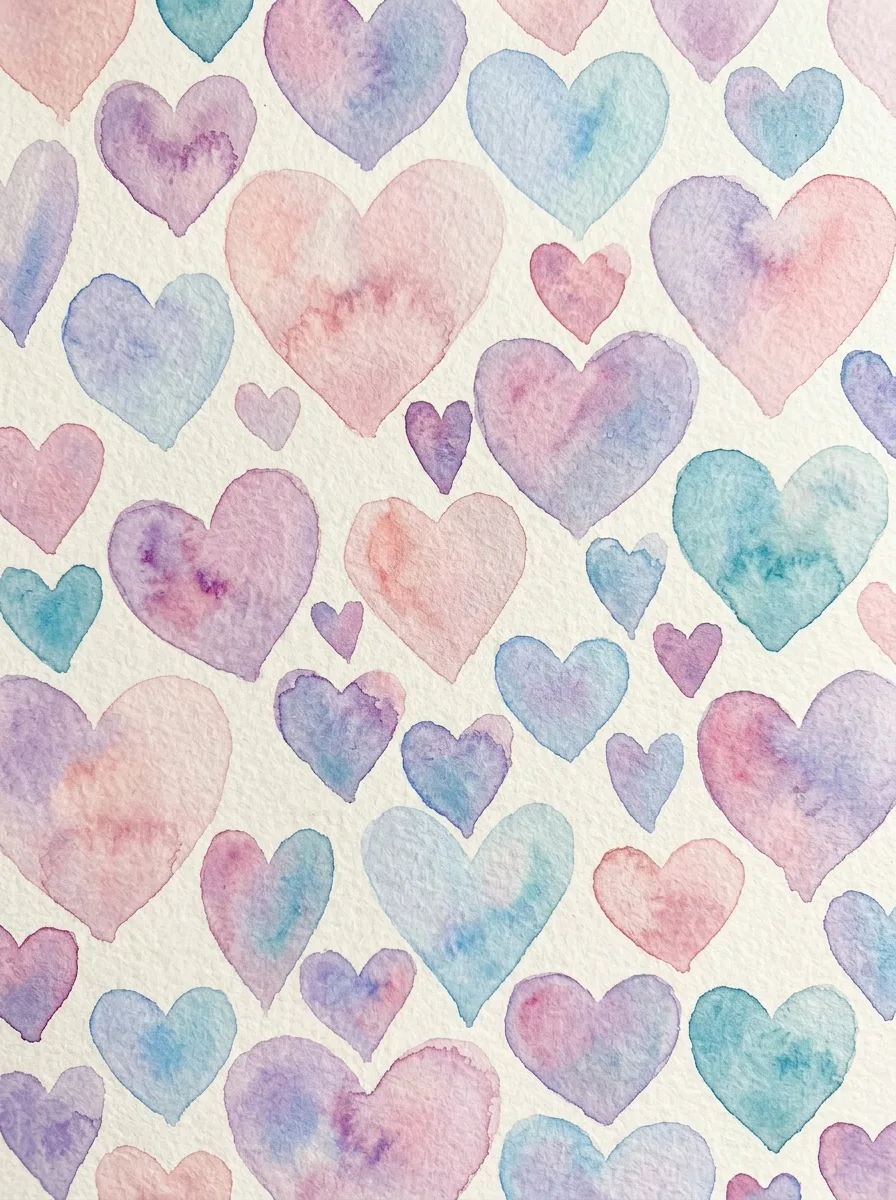
Lightly wet the paper with clean water, drop in pinks, purples and blues, and let them blend. When it’s dry, paint hearts over the soft background in a deeper color, or paint the hearts directly into damp paper so their edges stay soft. Add a second layer of smaller hearts once the first is completely dry.
Good to know: painting into damp paper (wet-on-wet) makes colors spread and blur; for crisp hearts, wait until the paper is completely dry.
2. Rainbow Heart Pattern
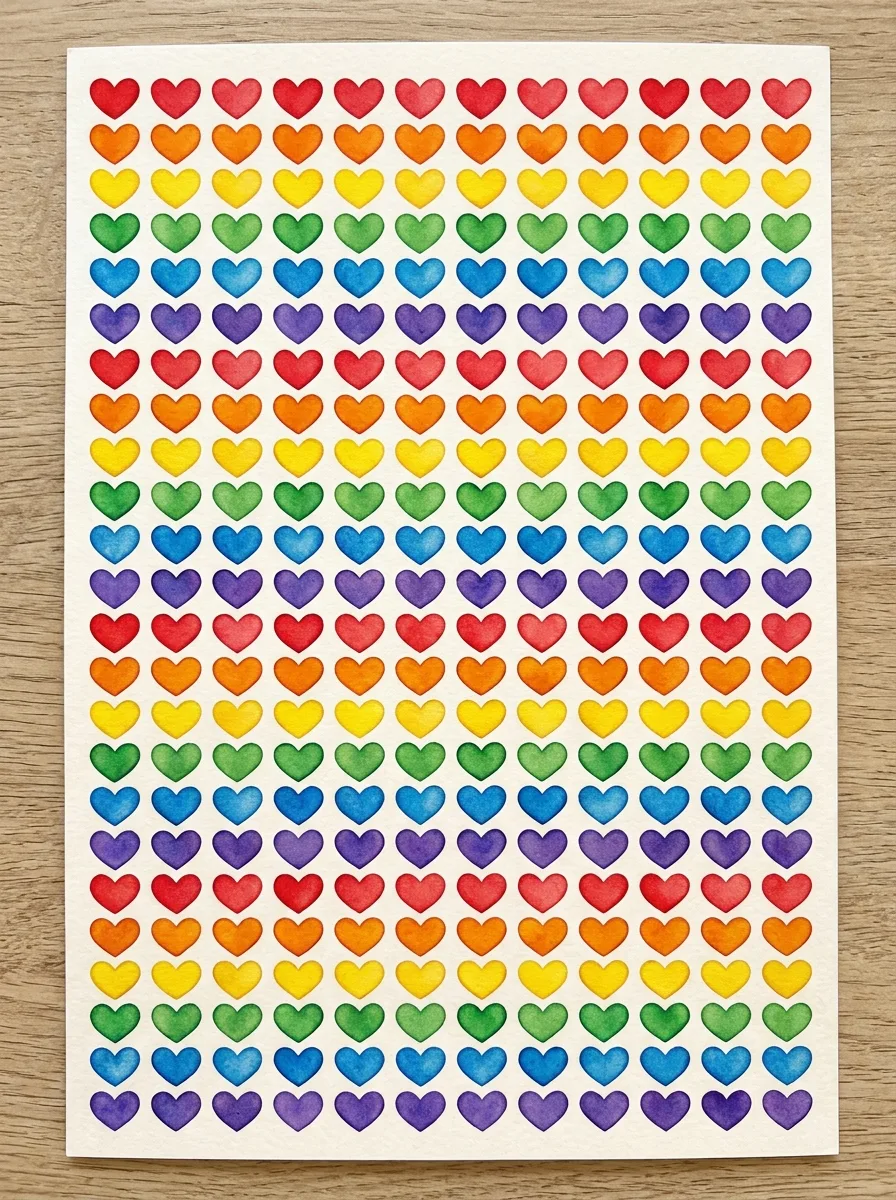
Paint rows or diagonals of hearts in rainbow order: red, orange, yellow, green, blue and purple. Trace a template so the hearts are the same size, and space them evenly on a light pencil grid. Fill the whole page for a bold pattern, or leave white space around each heart for a lighter look.
Good to know: paint from light to dark and rinse the brush well between colors, so yellow doesn’t pick up traces of blue and turn green.
3. Polka Dot Heart Pattern
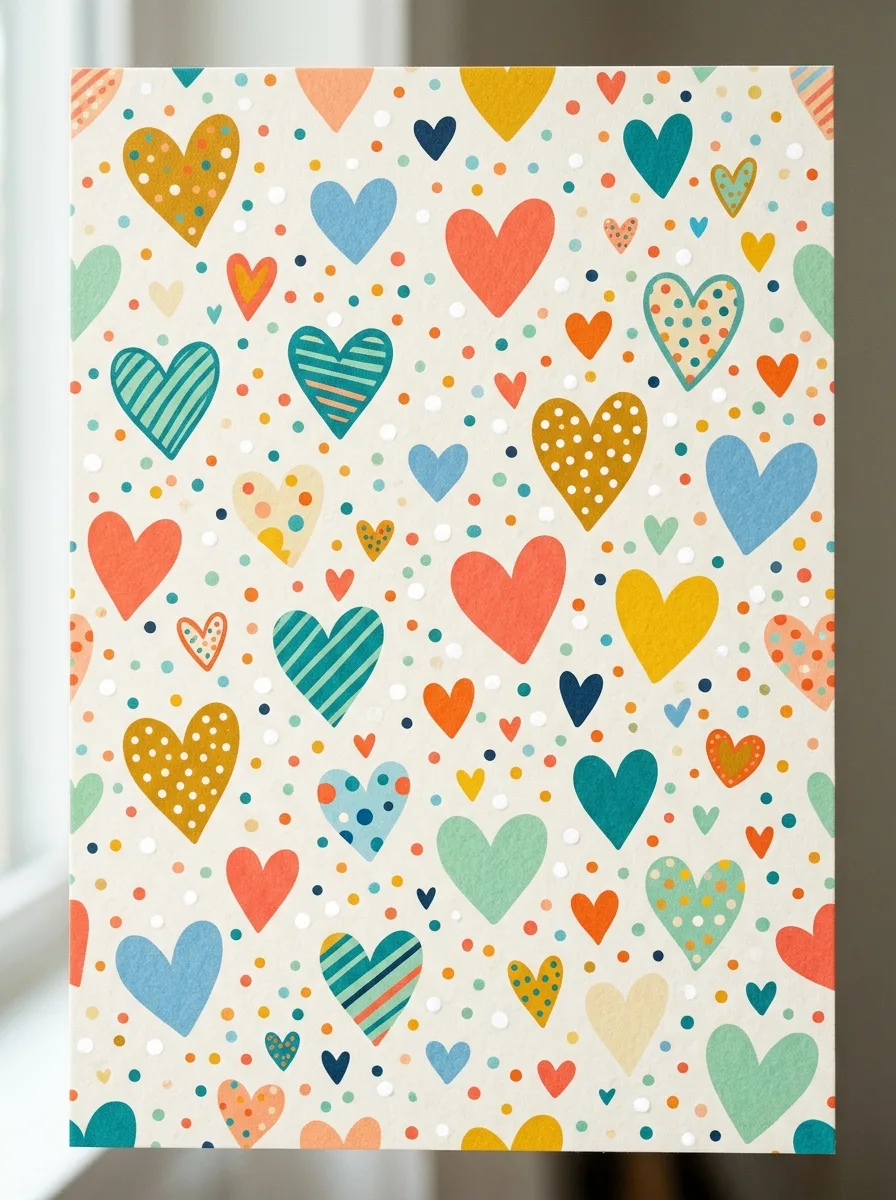
Paint solid hearts and let them dry, then add dots inside or around them. The end of a brush handle, a cotton swab or a pencil eraser dipped in paint makes round dots. White dots on red or pink hearts give a classic look, and mixing dot sizes makes it livelier.
Good to know: reload the tool every dot or two, because the dots get smaller as the paint runs out.
4. Geometric Heart Pattern
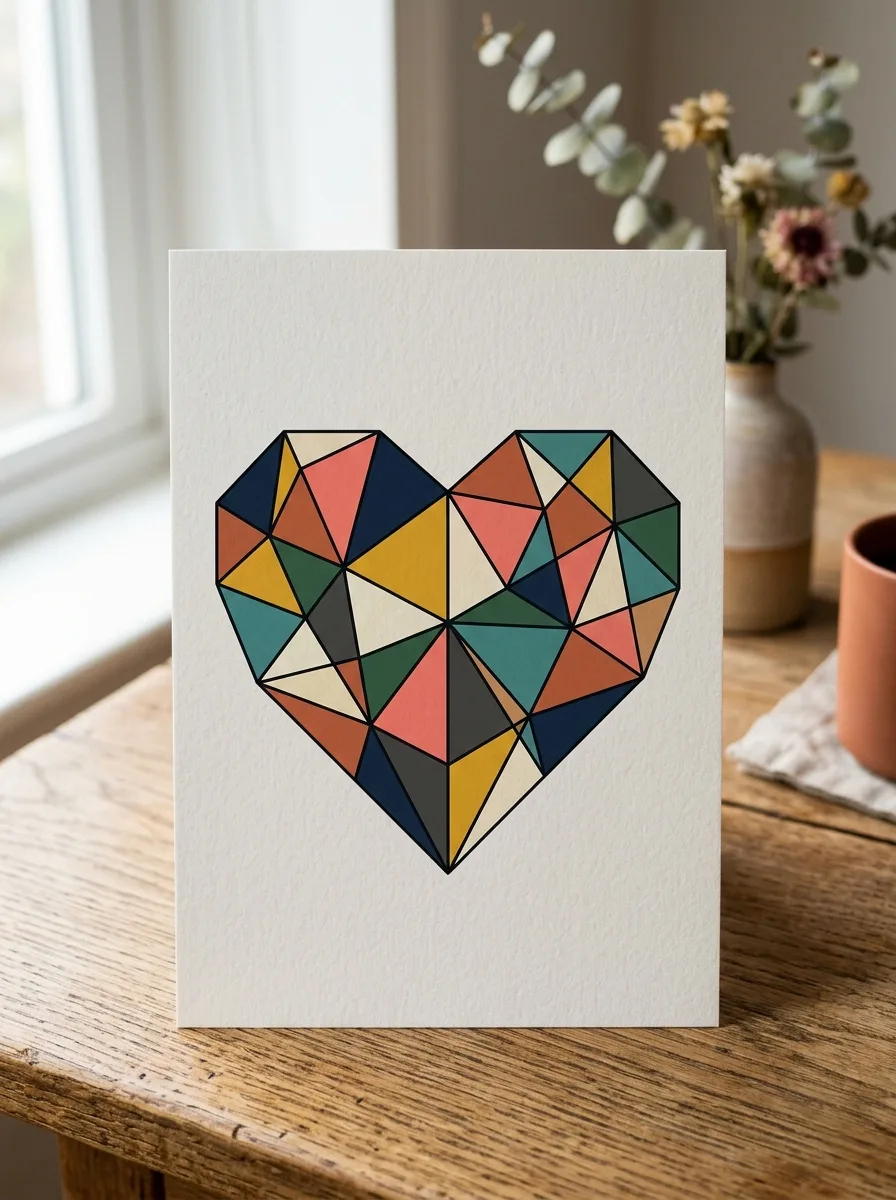
Draw hearts with straight lines only, like a cut gem: a V at the bottom and angled lines across the top. Divide each one into triangles and fill them with light-to-dark shades of one color, or with contrasting solids. Tape helps keep the straight edges crisp.
Good to know: put the lightest shade on the side facing an imagined light source and the darkest opposite it, so the faceted heart looks three-dimensional.
5. Tie Dye Heart Pattern
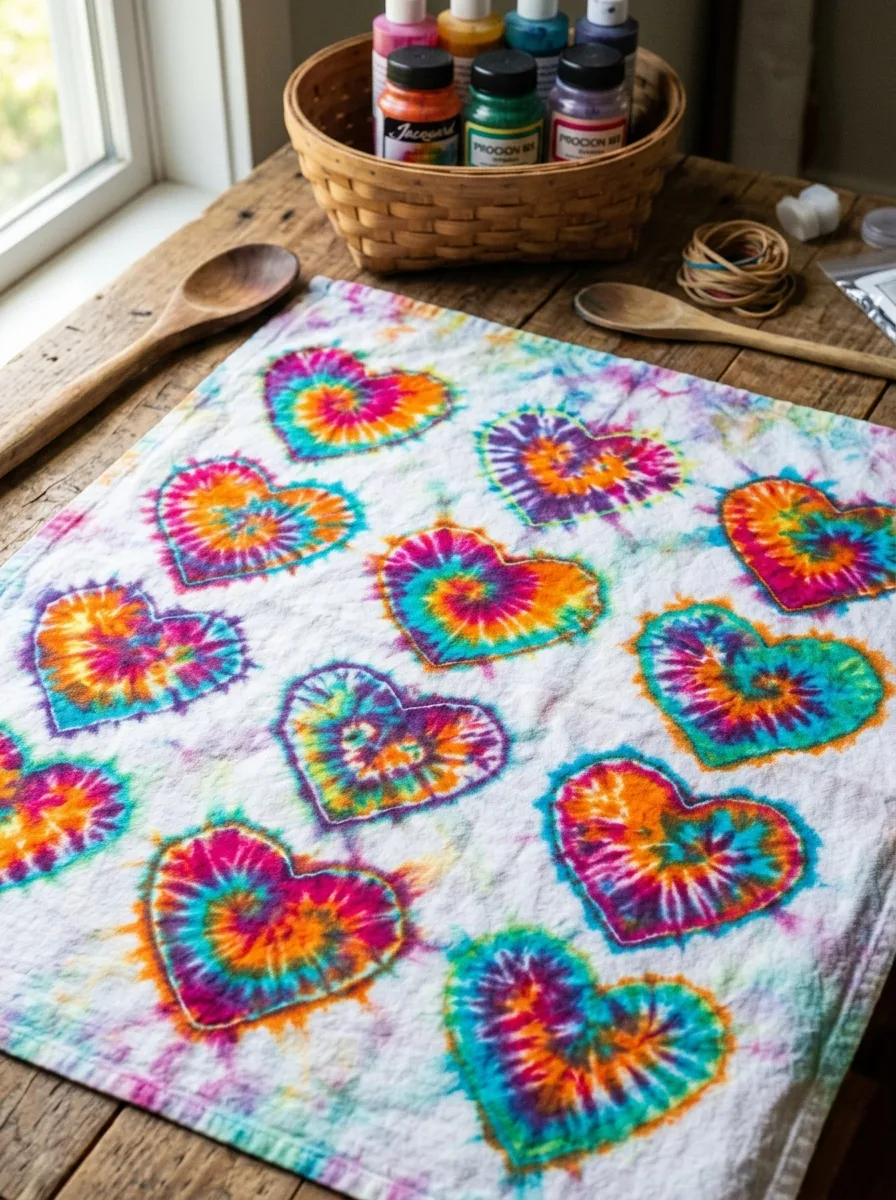
Outline each heart, then paint swirls of two or three bright colors inside it and blend them where they meet while the paint is still wet. Work on one heart at a time, since acrylic dries quickly. On fabric, use fabric paint or fabric dye instead and follow its directions.
Good to know: colors opposite each other on the color wheel, such as red and green, turn brown or gray where they mix; neighbors such as pink, orange and yellow blend cleanly.
6. Galaxy Heart Pattern

Paint each heart with dark blue, purple and black, blending them while wet. Dab in pink and white with a sponge for nebula clouds, let it dry, then flick tiny white stars from an old toothbrush and add a few larger ones with a fine brush. These star pattern painting ideas have more ways to paint stars.
Good to know: cover the area around the hearts with scrap paper before flicking stars, since splatter travels further than you expect.
7. Floral Heart Pattern
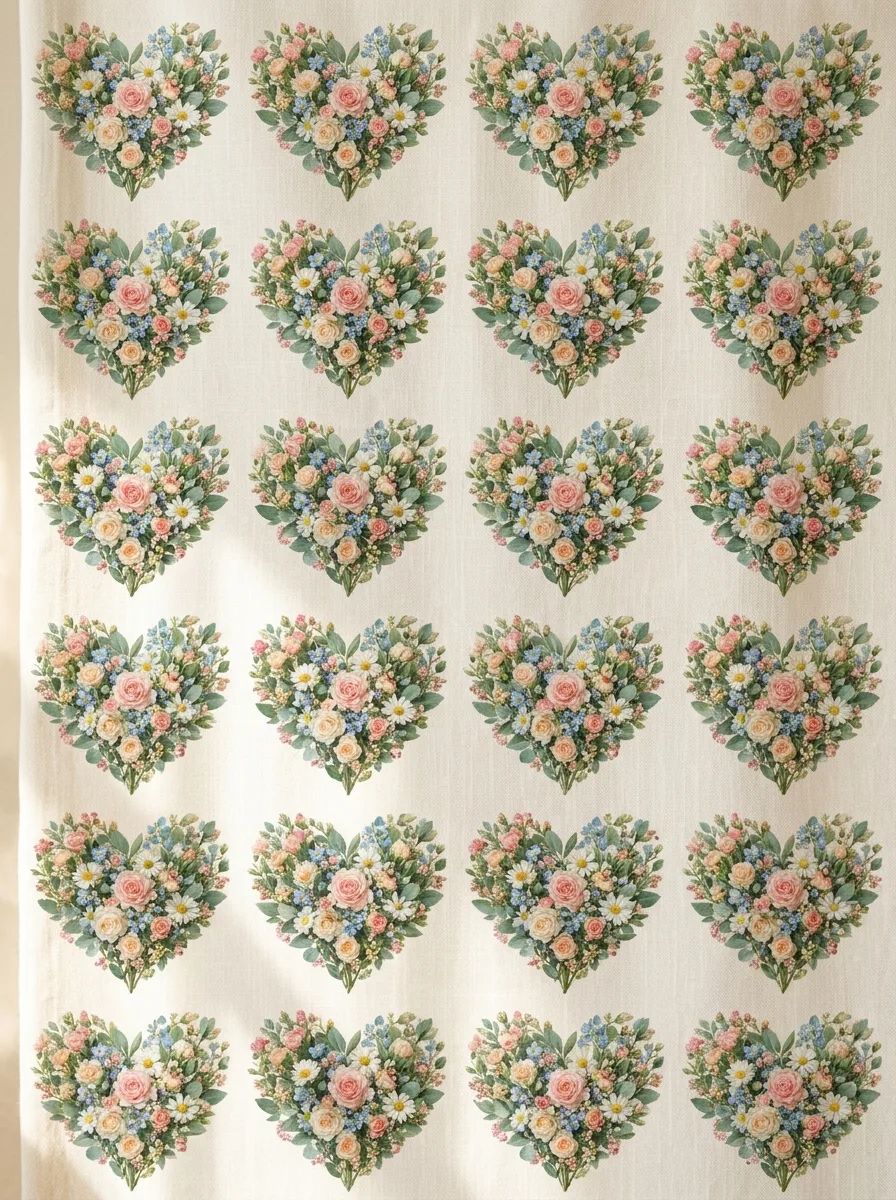
Lightly sketch the heart shapes, then fill them with tiny flowers and leaves, or let flowers grow around the outline like a wreath. Simple strokes are enough: dots for berries, five petals for a daisy, a spiral for a rose. Keep the flowers inside the heart shape so the outline stays clear.
Good to know: paint the largest flowers first, then fill the gaps with leaves and dots; that keeps the heart shape even.
8. Ombre Heart Pattern
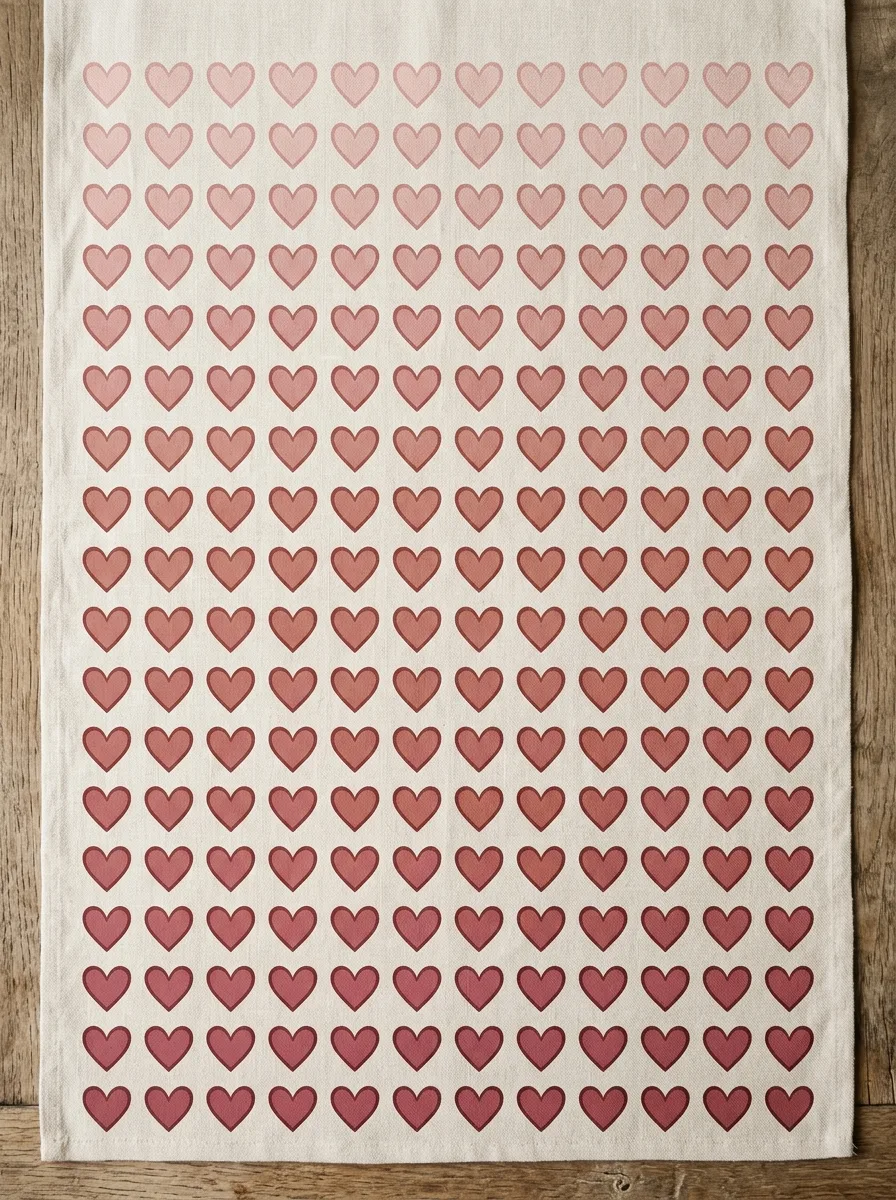
Before you start, mix one color in five or six shades from light to dark. Paint the top row of hearts in the lightest shade and work down to the darkest at the bottom. Mixing all the shades first keeps every heart in a row the same color.
Good to know: add the dark color to the light one a little at a time; correcting a mix that got too dark takes a lot of light paint.
9. Bubble Wrap Print Hearts
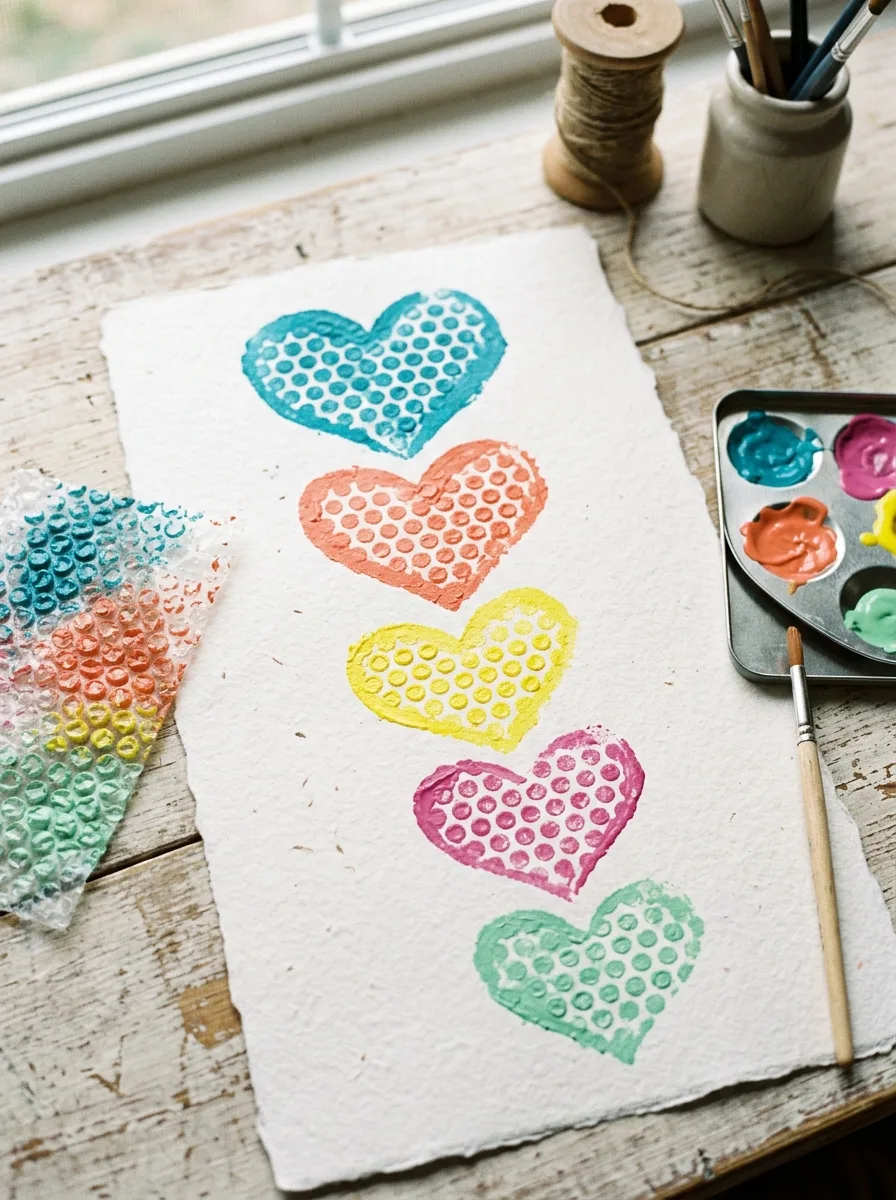
Brush paint onto the bubble side of a piece of bubble wrap, press it onto paper and lift it straight up to leave a dotted print. Cut the bubble wrap into a heart shape first, or print a whole sheet and cut hearts from it once it’s dry. It’s a good, messy project for kids.
Good to know: use a thin, even coat of paint; too much fills the gaps between the bubbles and blurs the dots.
10. Heart Mandala Pattern
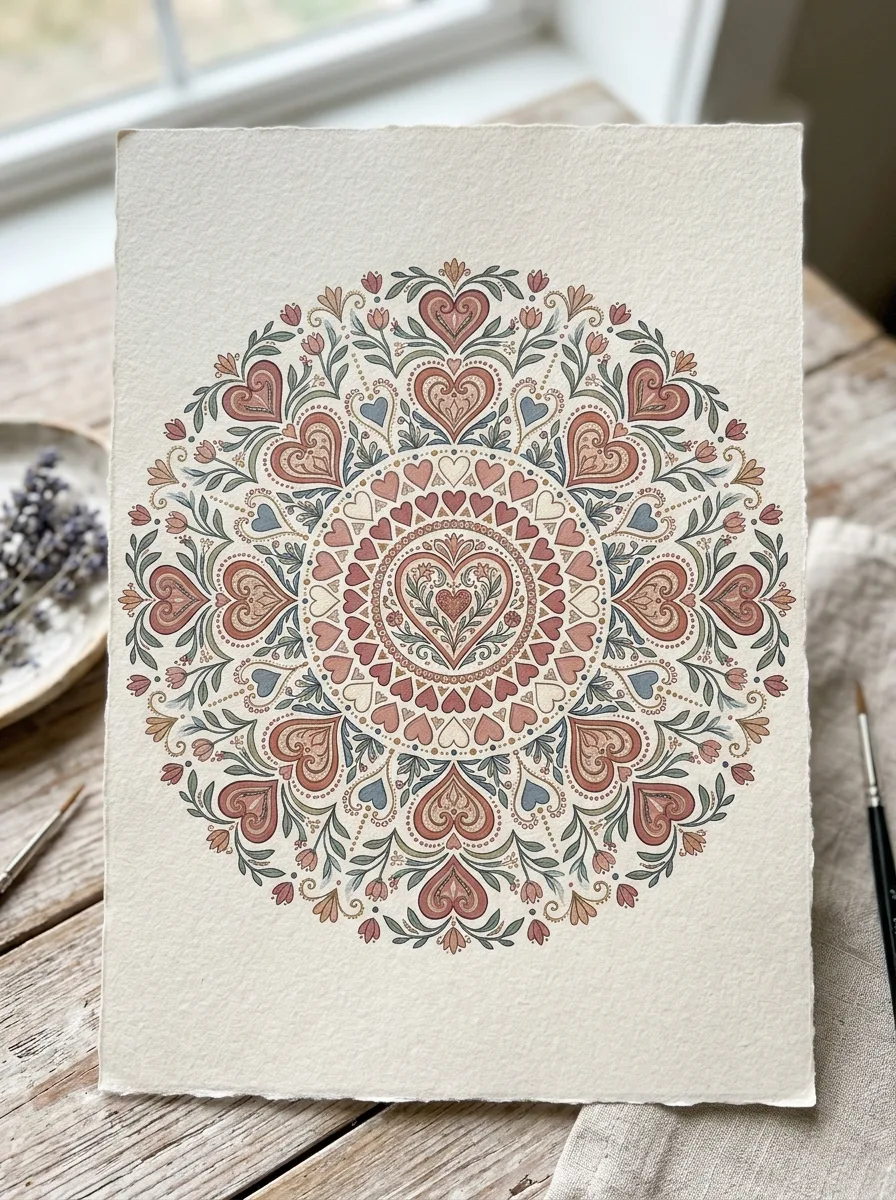
Paint a small heart at the center, then rings of hearts around it that get larger as you move outward. Draw the circles with a compass and divide them with light pencil lines first: eight sections are 45 degrees apart, and twelve are 30. Point every heart in a ring the same way, toward or away from the center.
Good to know: finish one full ring before starting the next; it’s easier to keep the spacing even than when jumping around.
11. Doodle Heart Pattern
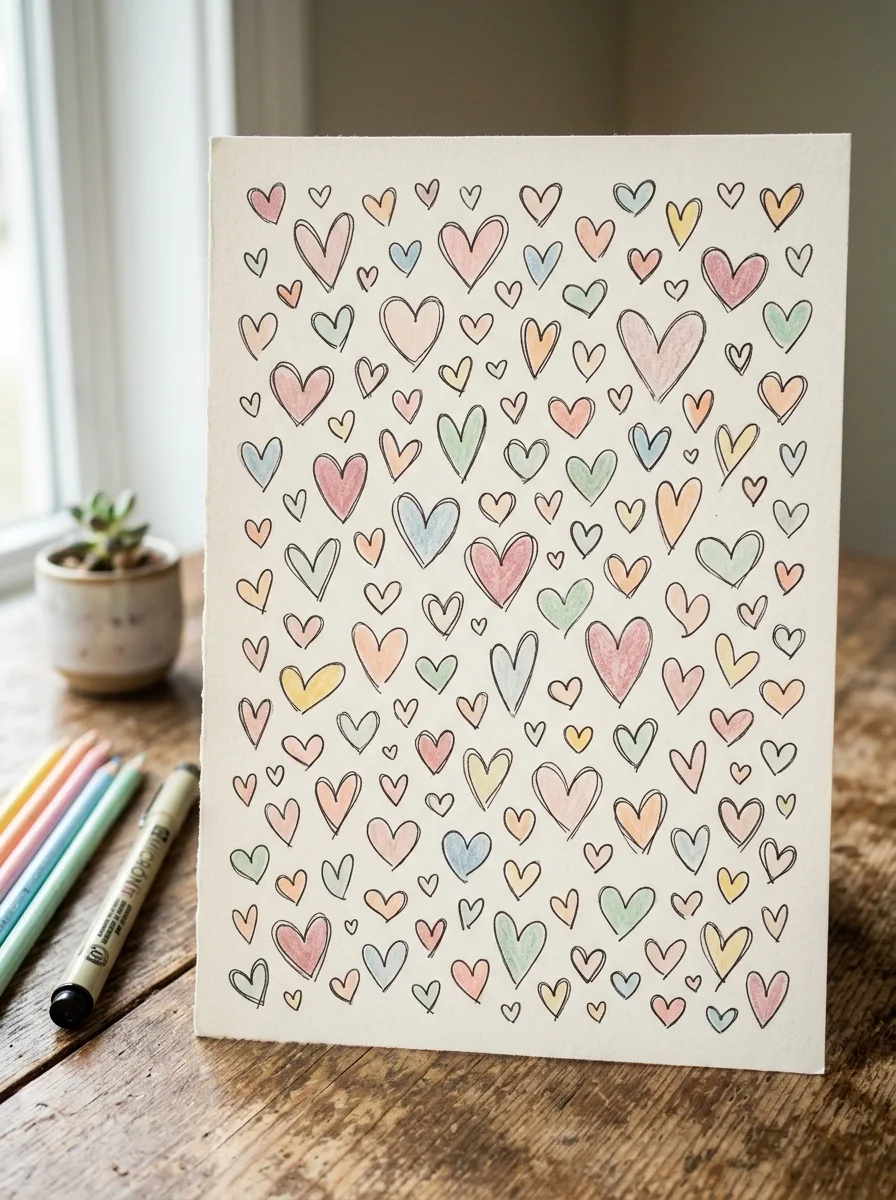
Use a thin brush or a paint pen to draw loose hearts across the page in different sizes: outlines, solid hearts, double outlines and tiny ones in the gaps. Turn the page as you go so the hearts point in different directions.
Good to know: water-based paint pens usually need shaking and priming by pressing the tip on scrap paper until the paint flows; follow the pen’s instructions.
12. Stamped Heart Pattern
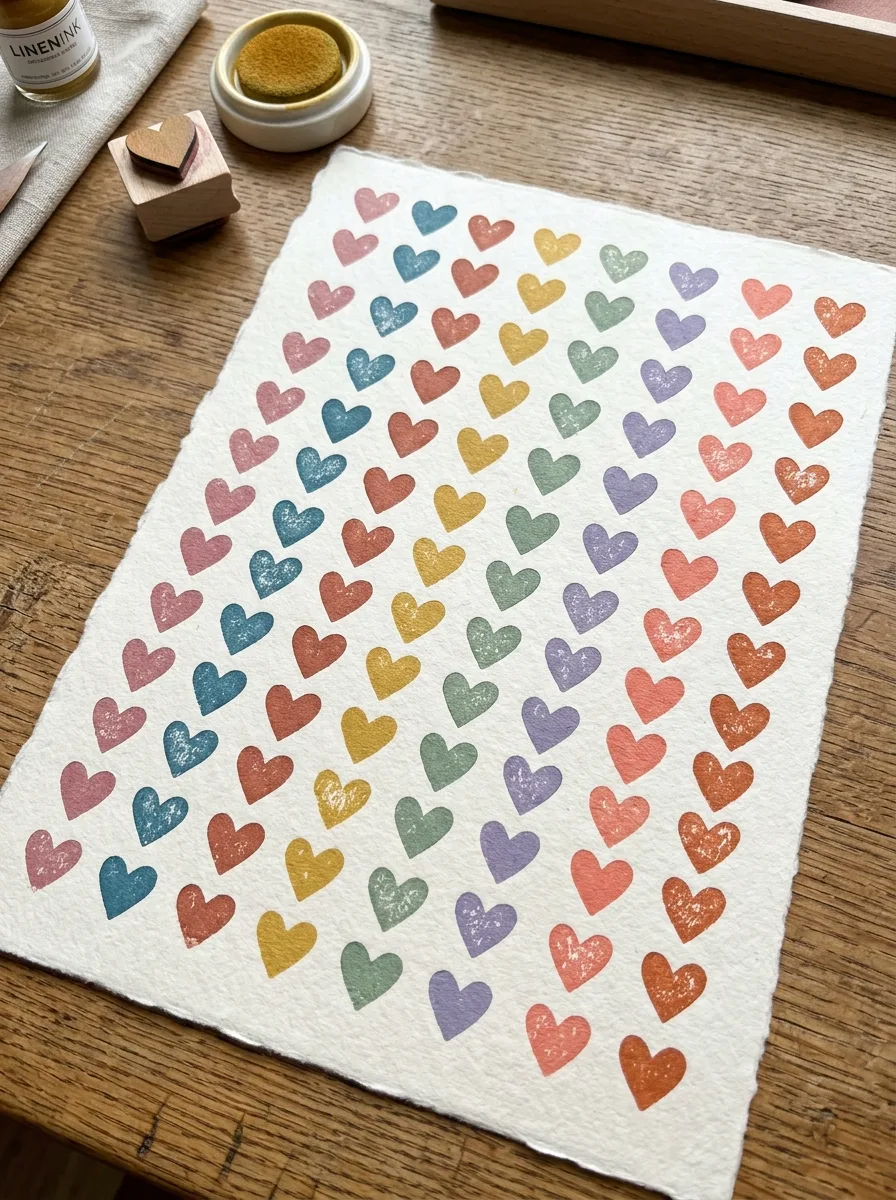
Cut a heart shape from a potato, a kitchen sponge or a cork, dip it in paint and press it in rows across paper or fabric. Switch colors for each row or each print. Stamped hearts suit gift wrap, cards and tote bags; on fabric, use fabric paint.
Good to know: an adult should cut potato stamps; blot the cut surface on a paper towel before adding paint so the print comes out crisp, not watery.
13. Stained Glass Heart Pattern
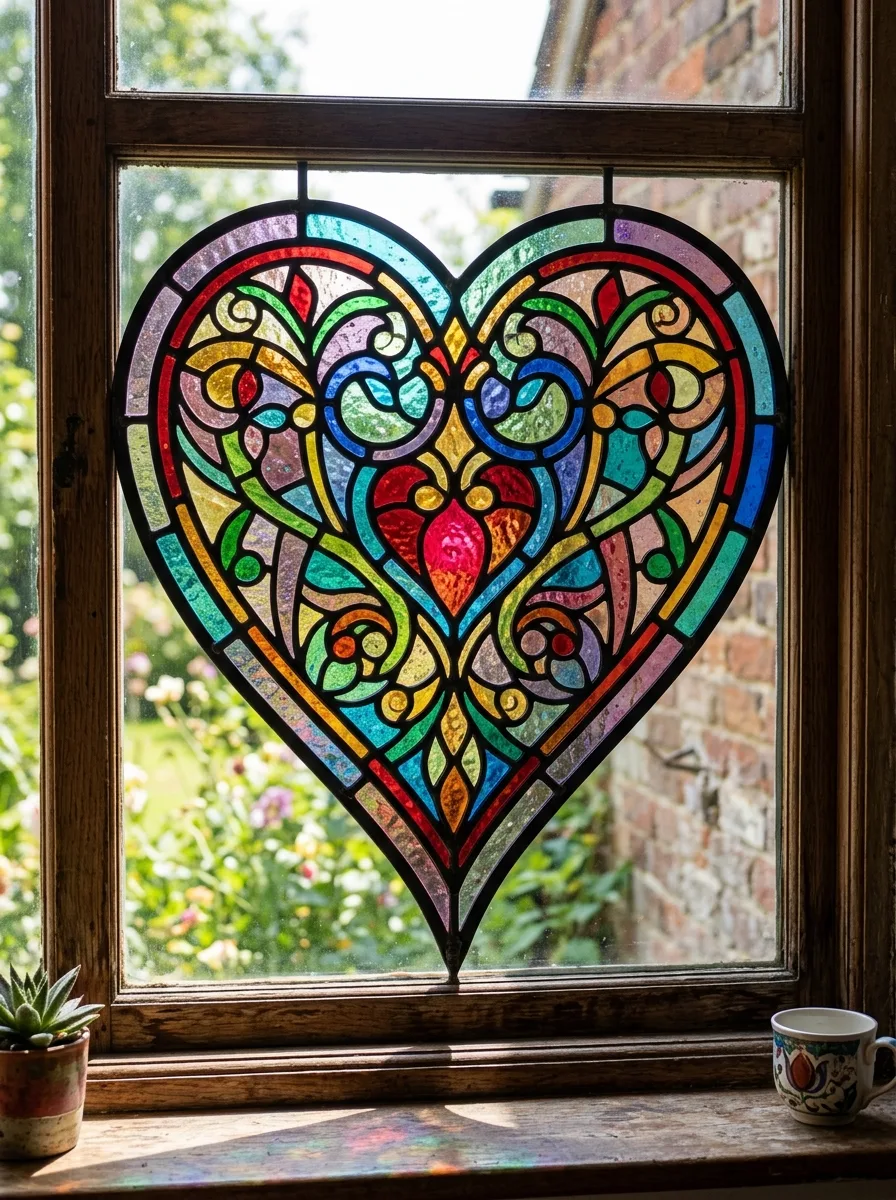
Draw hearts and divide each into sections with thick black lines, then fill each section with a bright solid color. On paper or canvas, paint the black lines first and let them dry. For window clings, Plaid’s Gallery Glass instructions have you trace outlines with liquid leading on a plastic sheet, fill them with window color and dry each stage at least 8 hours before peeling. See these summer window painting ideas for more ways to decorate glass.
Good to know: Plaid says clings applied to hard plastic such as Plexiglas won’t come off, so put them only on glass.
14. Splatter Paint Hearts
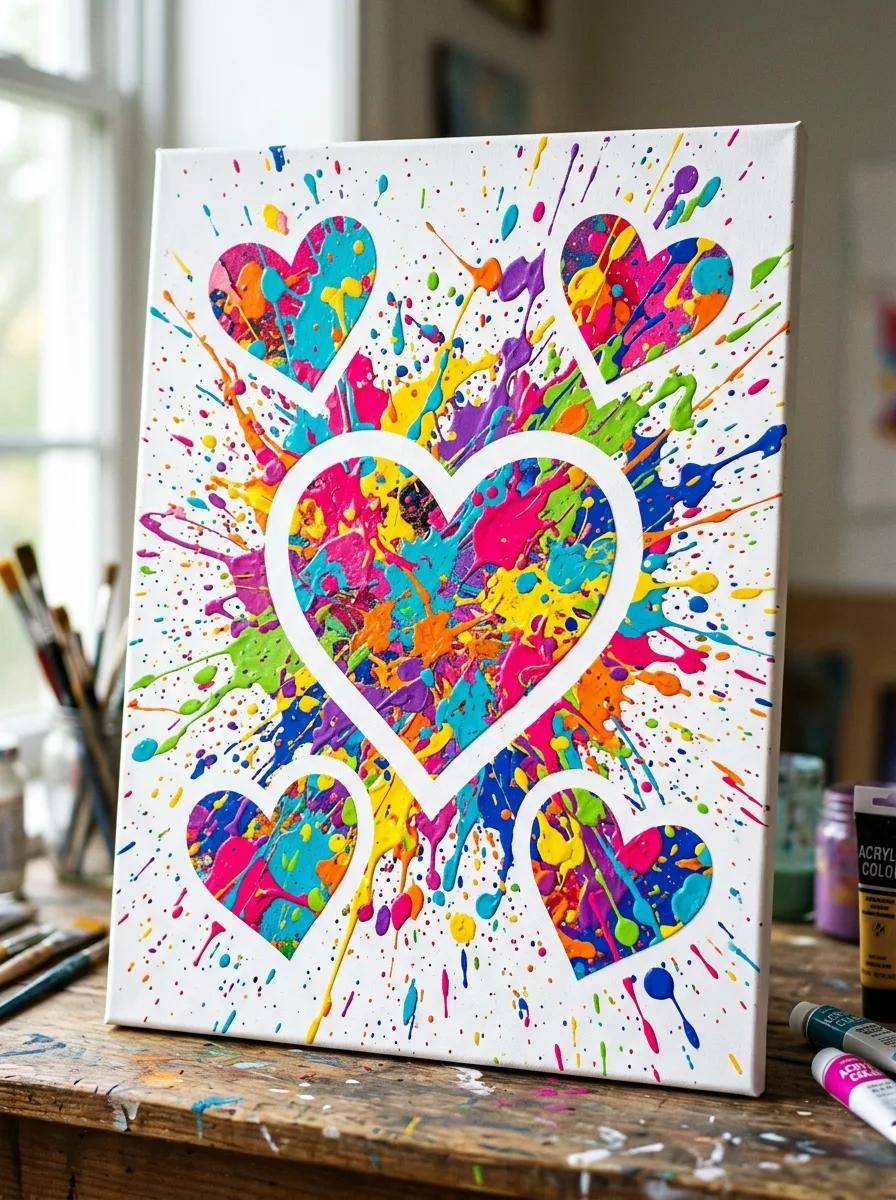
Lay paper hearts or heart stencils on the page, then flick paint over everything with a stiff brush or an old toothbrush, using two or three colors. When the paint is dry, lift the hearts to reveal clean shapes in the splatter.
Good to know: cover the table and nearby walls, and test the flick on scrap: thinner paint makes a fine spray, and thicker paint makes bigger drops.
15. Animal Print Hearts
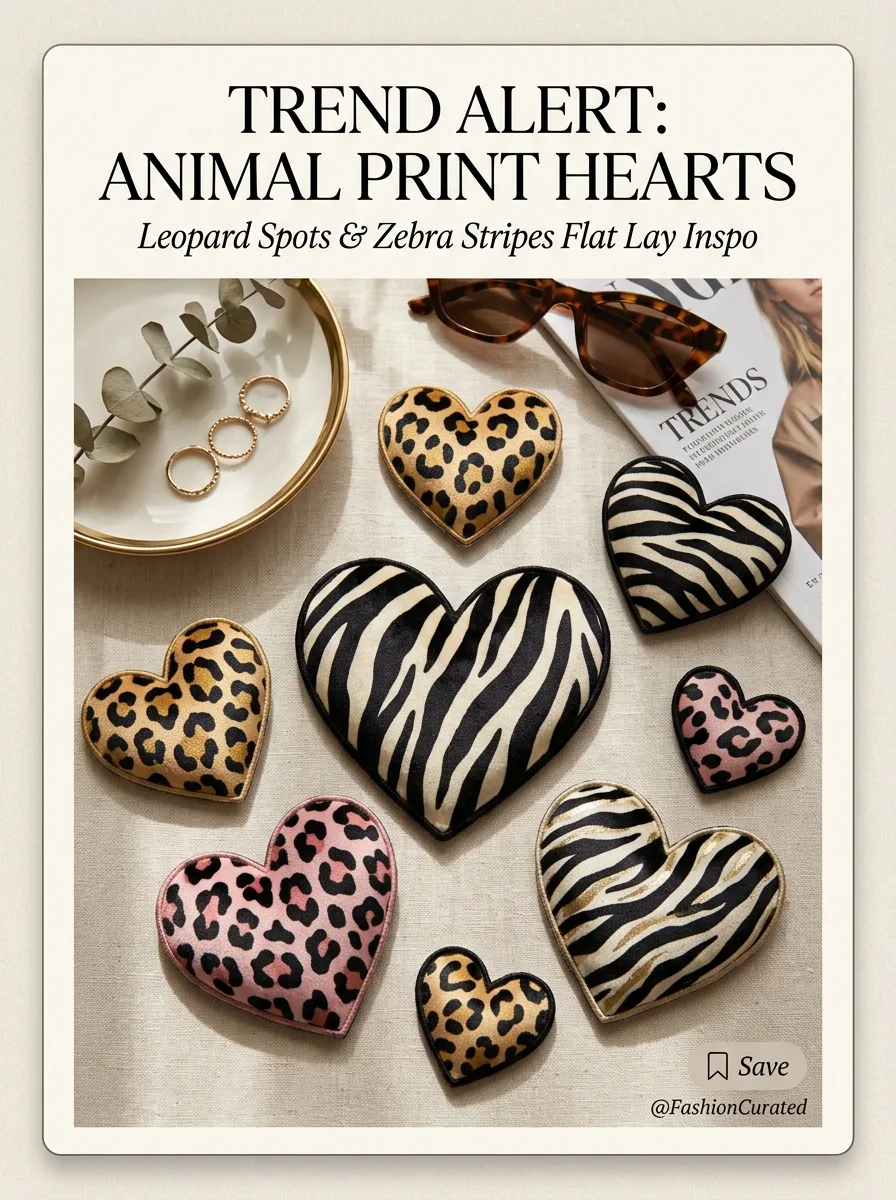
Paint hearts in a base color such as tan, pink or white and let them dry. For leopard print, add irregular broken rings in black around small patches of darker brown. For zebra print, paint wavy black stripes that taper to points. Keep the shapes irregular, as they are on a real animal.
Good to know: leopard spots are clusters of broken rings called rosettes, not solid dots, so leave small gaps in each ring.
16. Marble Heart Pattern
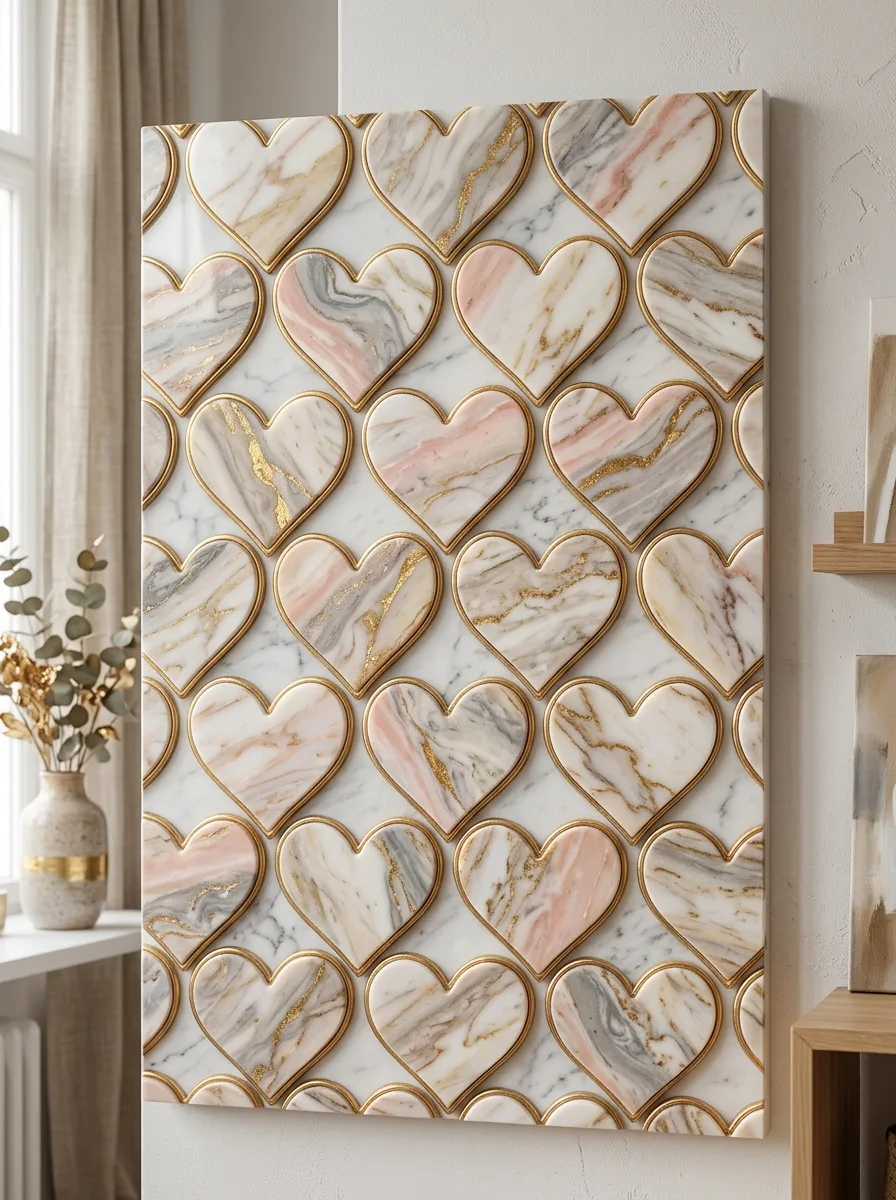
Drop two or three colors into each heart while the paint is wet and drag a toothpick through them to make thin veins. Stop before the colors mix into one. Once it’s dry, add a fine gold vein with a paint pen for a stone look.
Good to know: acrylic dries fast, so marble one heart at a time; a slow-drying medium mixed into the paint gives you longer to swirl.
17. Checkerboard Heart Pattern
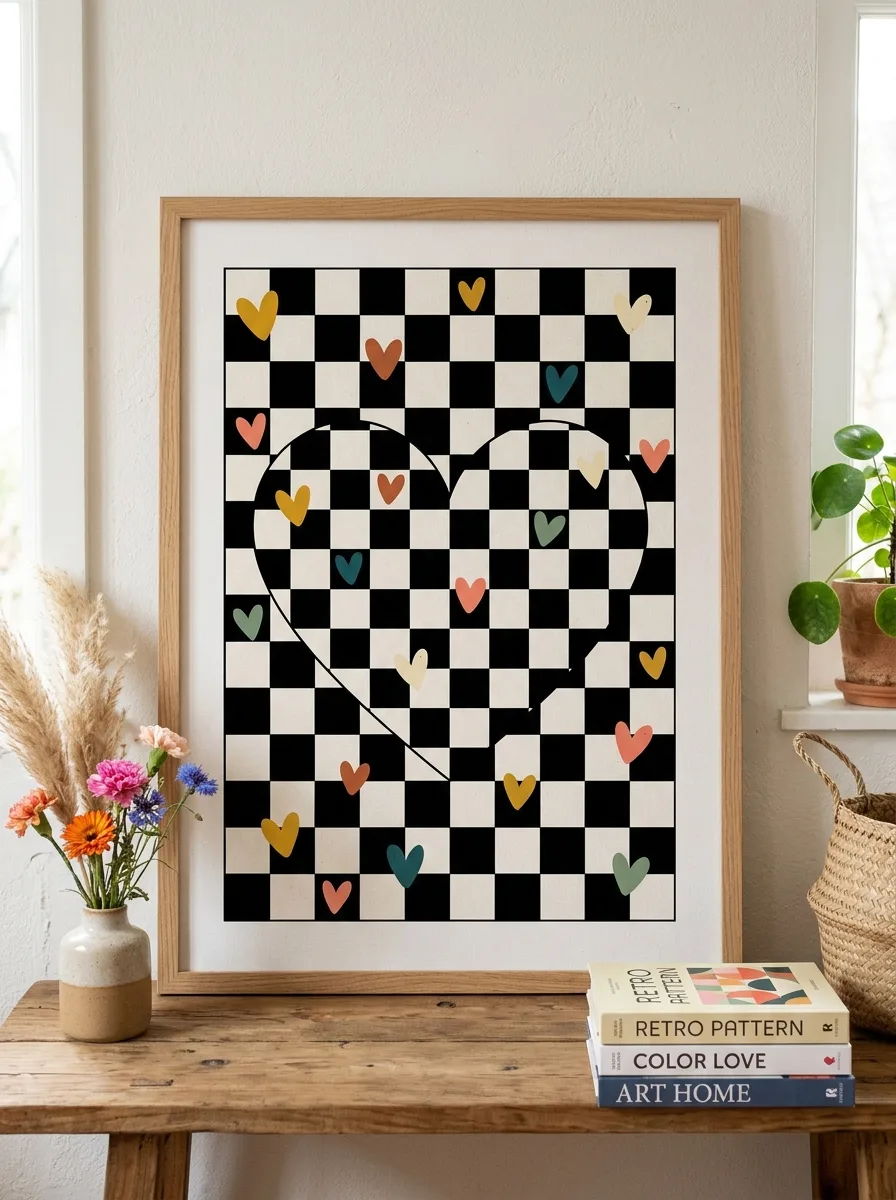
Paint a grid of squares in two alternating colors, like a checkerboard, then add small hearts inside some squares or scatter them across the grid. Use a ruler and pencil, or tape, to keep the squares even. For more grid-based designs, see these patchwork painting ideas.
Good to know: paint all the squares of one color first and let them dry before the second color, so neighboring squares don’t smudge.
18. Striped Heart Pattern
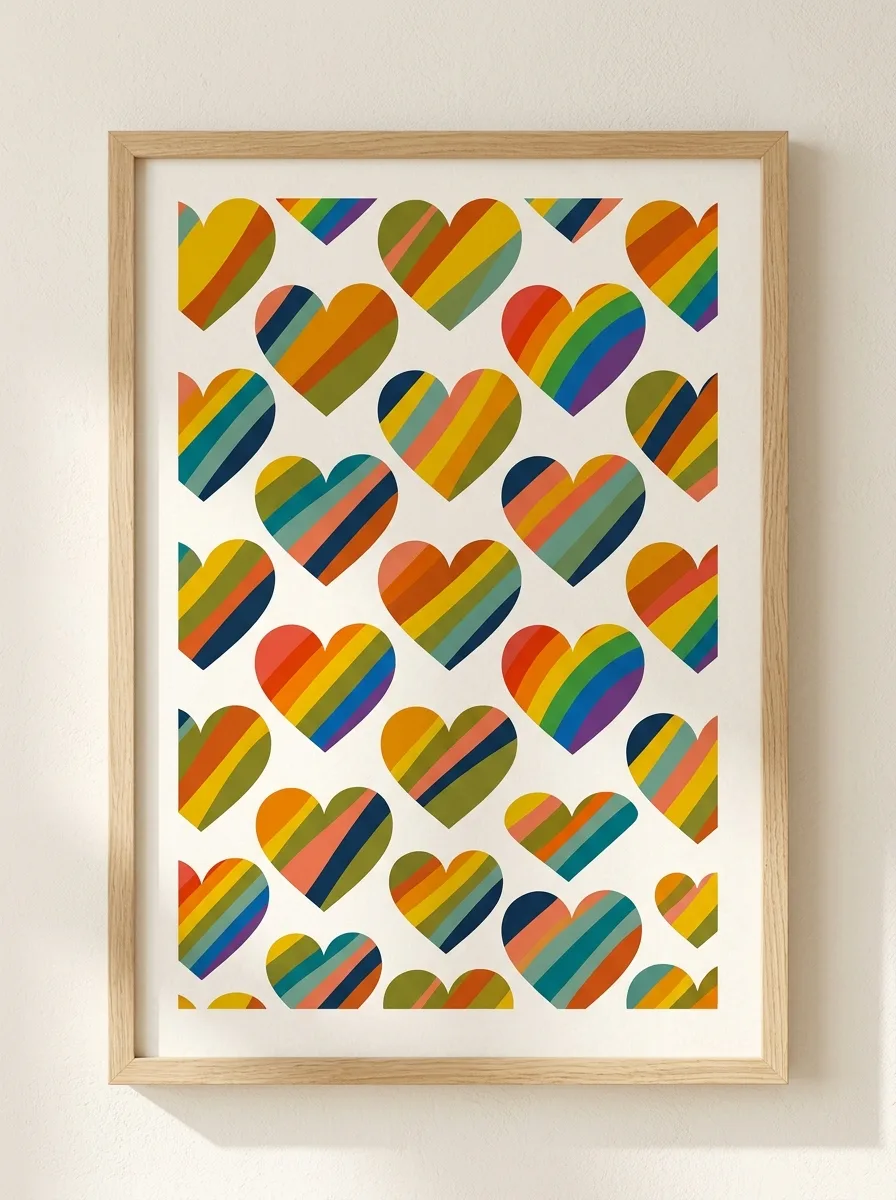
Paint solid hearts and let them dry, then add stripes with a thin brush or by masking with narrow tape. Try vertical, diagonal or rainbow stripes, and change the direction from heart to heart. A flat brush as wide as the stripe you want gives even stripes in one pass.
Good to know: make sure the hearts are completely dry before taping over them, or the tape can pull paint off when you remove it.
19. Lace Heart Pattern
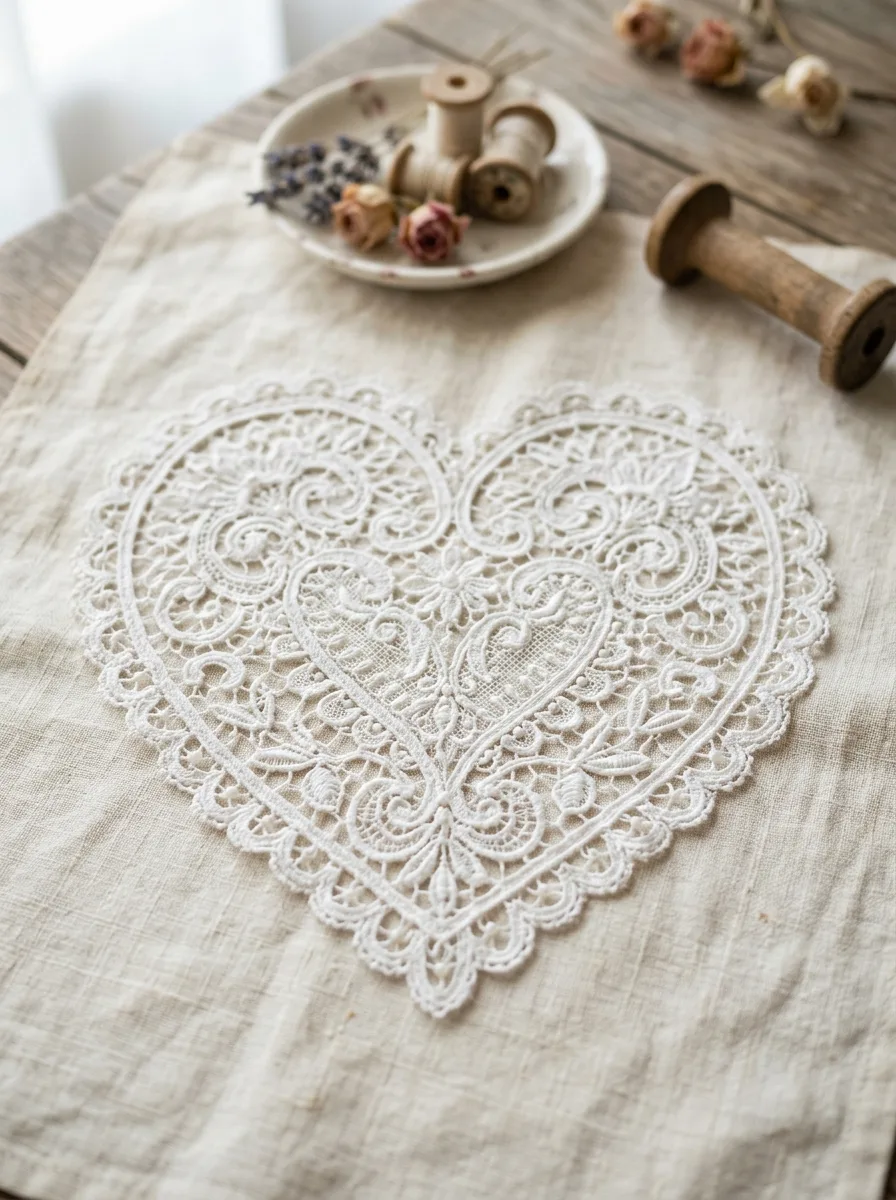
Paint a dark background such as navy, burgundy or black. Then paint heart outlines in white, cream or pale pink and fill them with small loops, dots and scallops, like a doily. A fine brush or a white paint pen works best.
Good to know: build the lace from the outside in: a scalloped edge first, then a row of dots, then smaller patterns toward the center.
20. Candy Heart Pattern
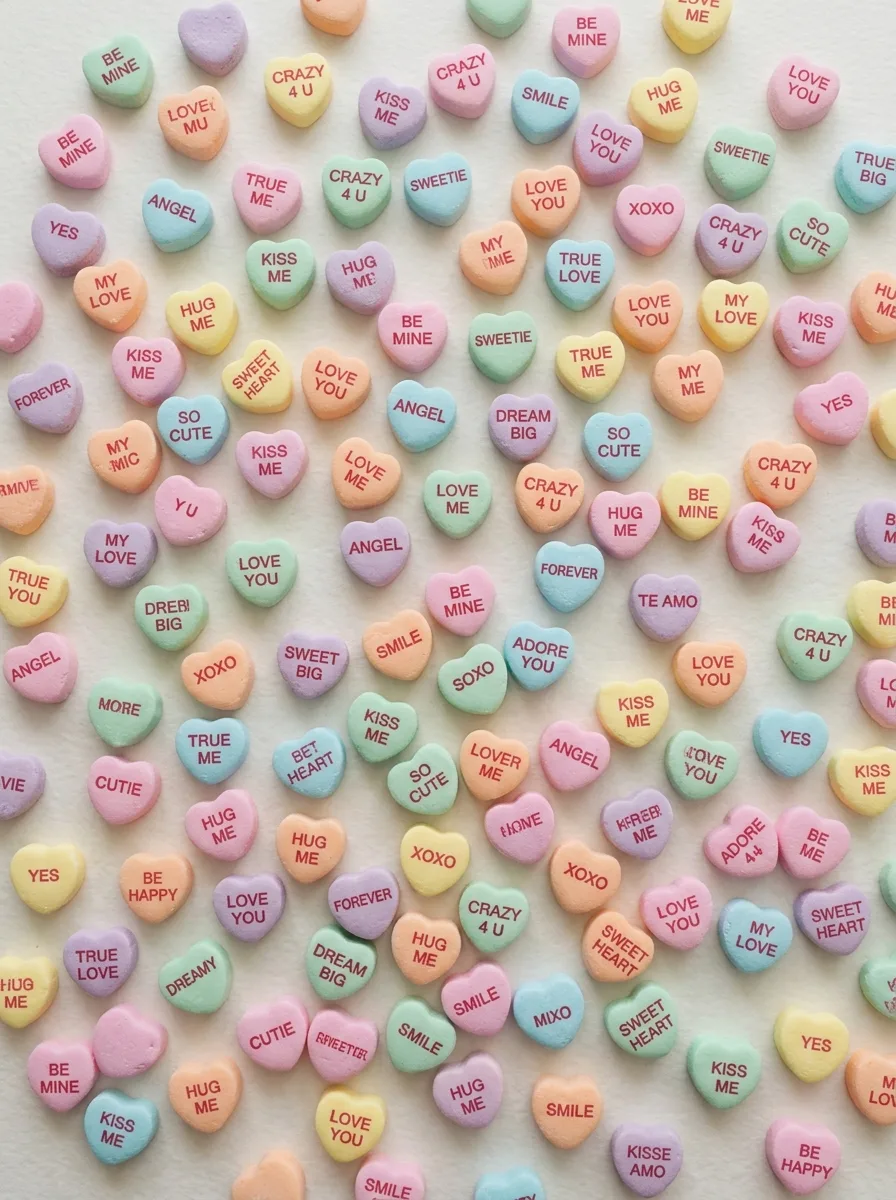
Paint rows of small pastel hearts in pink, purple, yellow, green and blue, like conversation candies. When they’re dry, add short words such as hug, be mine or smile in red or pink with a fine brush or paint pen.
Good to know: pencil the words in lightly first, and keep to one or two short words per heart, as on the real candies.
21. Metallic Heart Pattern
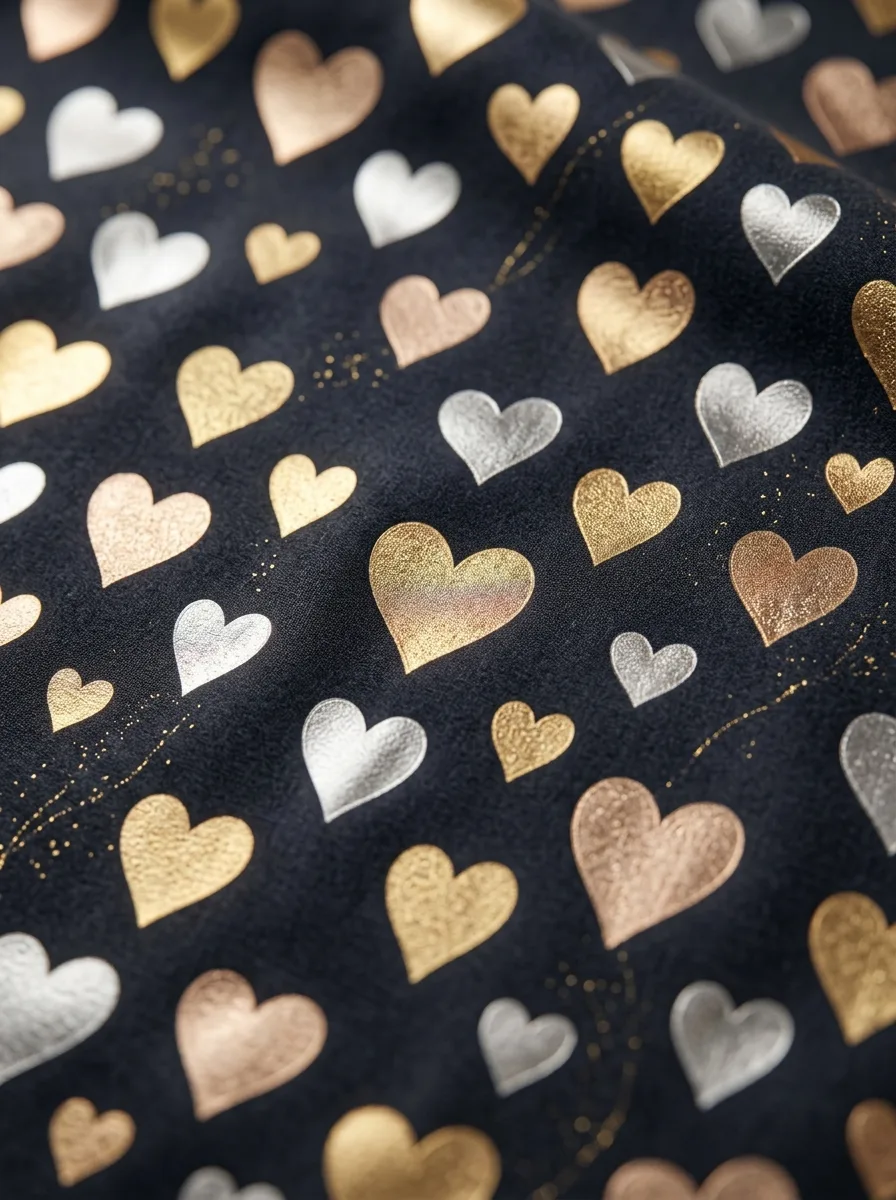
Paint a solid background in navy, blush, black or white, then add hearts in gold, silver or copper paint, with a metallic pen, or in gold leaf. Scatter them in different sizes. Two thin coats of metallic paint give a smoother shine than one thick coat.
Good to know: gold leaf needs an adhesive called size; follow the kit’s directions on how long to wait before laying the leaf.
22. Negative Space Heart Pattern
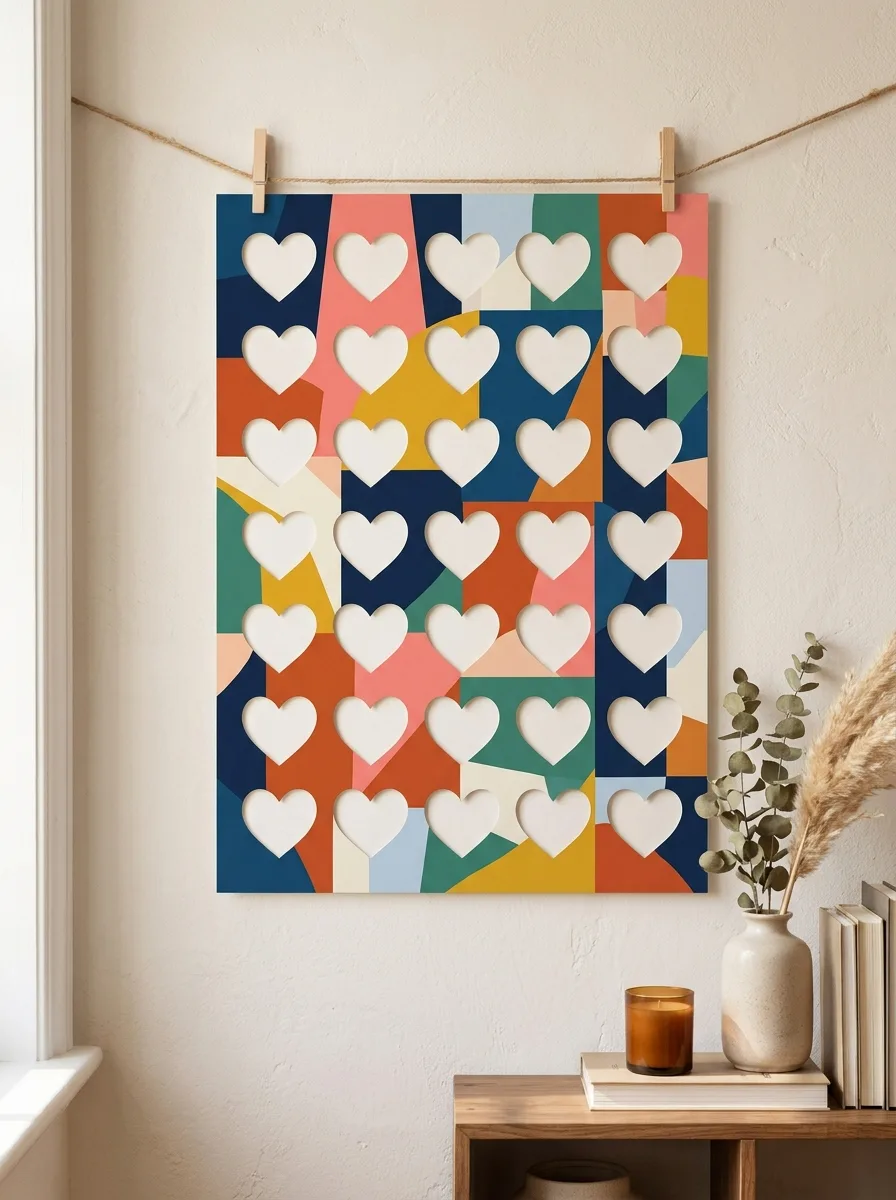
Stick heart stencils, stickers or tape hearts onto paper or canvas, then paint over the whole surface in one or two bold colors. When the paint is dry, peel the hearts off to reveal clean, unpainted shapes. On paper, use removable stickers or low-tack tape and test them on a scrap first so they don’t tear the surface.
Good to know: press the edges of every stencil down firmly; paint creeping under a loose edge is what usually spoils this design.
23. Puffy Paint Heart Pattern
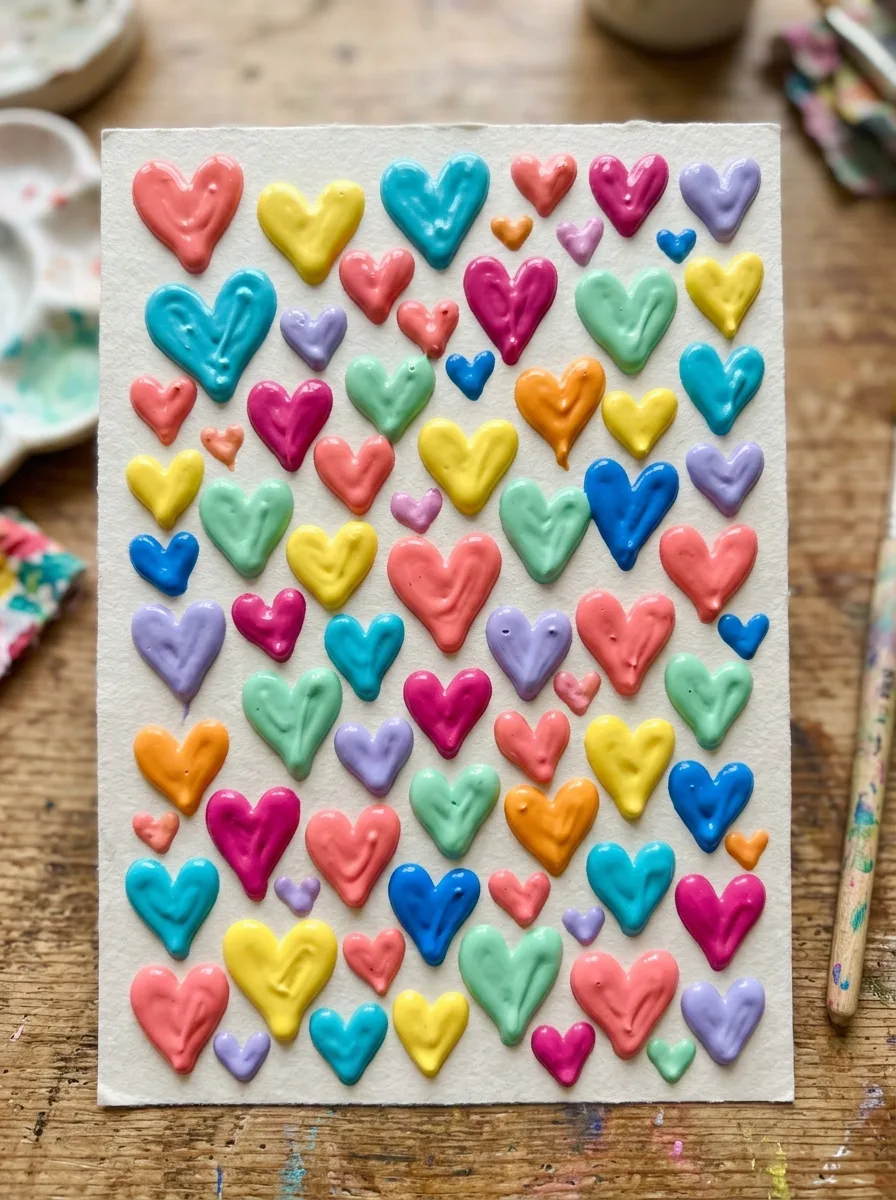
Squeeze dimensional (3D) paint straight from the bottle in heart outlines or filled hearts. Use a toothpick to fix uneven edges or pop air bubbles while the paint is wet, and leave the piece flat until it dries. Thick lines take longer to dry than thin ones.
Good to know: read the bottle: Tulip says its puff paints don’t need heat to stay on fabric, but some puffy finishes only rise when heated.
Common mistakes to avoid
- Painting the next layer before the first one is dry.
- Using strong tape on paper, which tears it or lifts the paint.
- Over-blending tie dye or marble colors until they turn muddy.
- Splattering paint without covering the work area.
- Letting young children cut potato stamps with a knife.
Heart pattern painting FAQs
What is the easiest heart pattern for kids?
Stamped hearts, bubble wrap prints and polka dot hearts. Use washable paint with the ACMI AP seal.
How do you paint a symmetrical heart?
Fold a piece of card in half, draw half a heart against the fold, cut it out, and trace the unfolded template.
What paint should I use for heart patterns?
Watercolor on watercolor paper, acrylic on canvas, wood or heavy paper, and fabric paint on fabric.
Does puffy paint need heat?
It depends on the product. Some dimensional paints dry raised on their own, while some puff finishes rise only with heat, so follow the bottle.


2 Comments