

22 Planter Box Ideas That Look Professionally Done
A well-made planter box can completely transform the way a home, garden, patio, or entryway looks and feels. The right planter does far more than simply hold plants. It adds structure, color, texture, and a sense of deliberate design to any outdoor or indoor space it occupies. Whether you are working with a sprawling backyard, a small balcony, or a front porch, there is a planter box style and material that will suit your space and your aesthetic perfectly. These 22 planter box ideas have been chosen because they all share one quality in common: they look like they were designed and built by a professional, even when the reality is far more affordable and achievable than they appear.
1. Cedar Wood Raised Planter Box
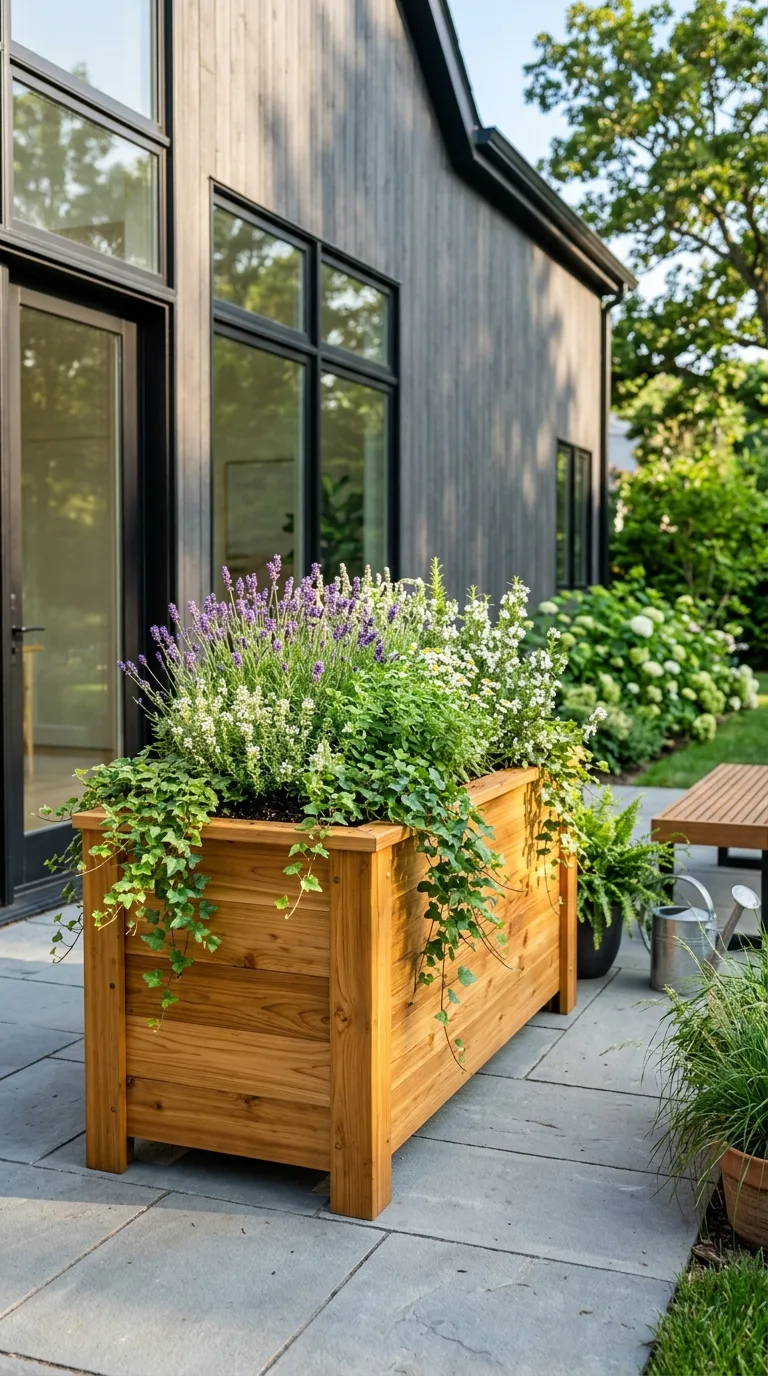
Cedar wood is one of the most popular and enduringly beautiful materials for planter boxes, and for very good reason. Its natural warm honey tone, fine grain, and pleasant scent make it an attractive material choice that looks genuinely premium straight from the lumber yard. Cedar is also naturally rot-resistant, which means a well-built cedar planter box will last for many years in outdoor conditions without the need for chemical treatments or constant maintenance to keep it structurally sound.
Building or buying a cedar planter box in a clean rectangular or square form with a simple board-and-frame construction gives it a refined, timeless look that suits both traditional and contemporary garden settings. Leaving the cedar unfinished allows it to weather gradually to a beautiful silver-gray over time. Alternatively, applying a clear or tinted exterior oil keeps the warm honey tone alive for longer. Planting it with a mix of flowering perennials, herbs, or trailing plants creates a combination of natural material and living color that always looks professionally done.
2. Corten Steel Planter Box
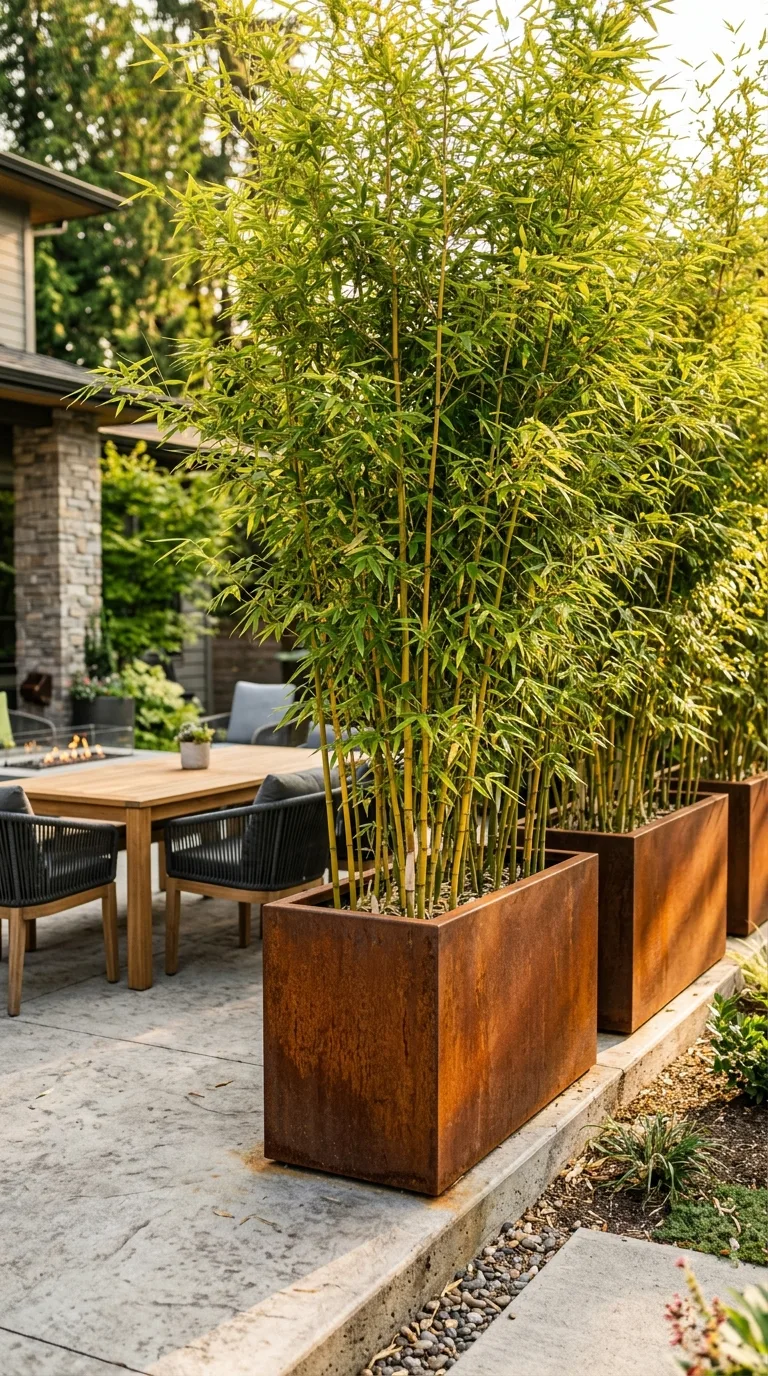
Corten steel planter boxes are one of the defining material choices of contemporary landscape and garden design, offering a combination of industrial edge and warm natural beauty that very few other materials can match. As the steel weathers it develops a rich, layered patina of rust-orange and deep brown tones that is genuinely beautiful and becomes more visually complex over time. This aged quality gives corten planters a sense of permanence and artistic intention that elevates any outdoor space immediately.
The strong, geometric forms in which corten steel planters are typically manufactured suit modern, industrial, and naturalistic garden styles with equal effectiveness. A long, low corten trough planted with ornamental grasses and lavender along a driveway or pathway creates a landscape feature of genuine professional quality. Tall corten boxes used as privacy screens with bamboo or tall grasses inside combine function and design beautifully. The contrast between the warm rust tones of the steel and the rich green of plants is one of the most satisfying material pairings in contemporary garden design.
3. White Painted Wooden Planter
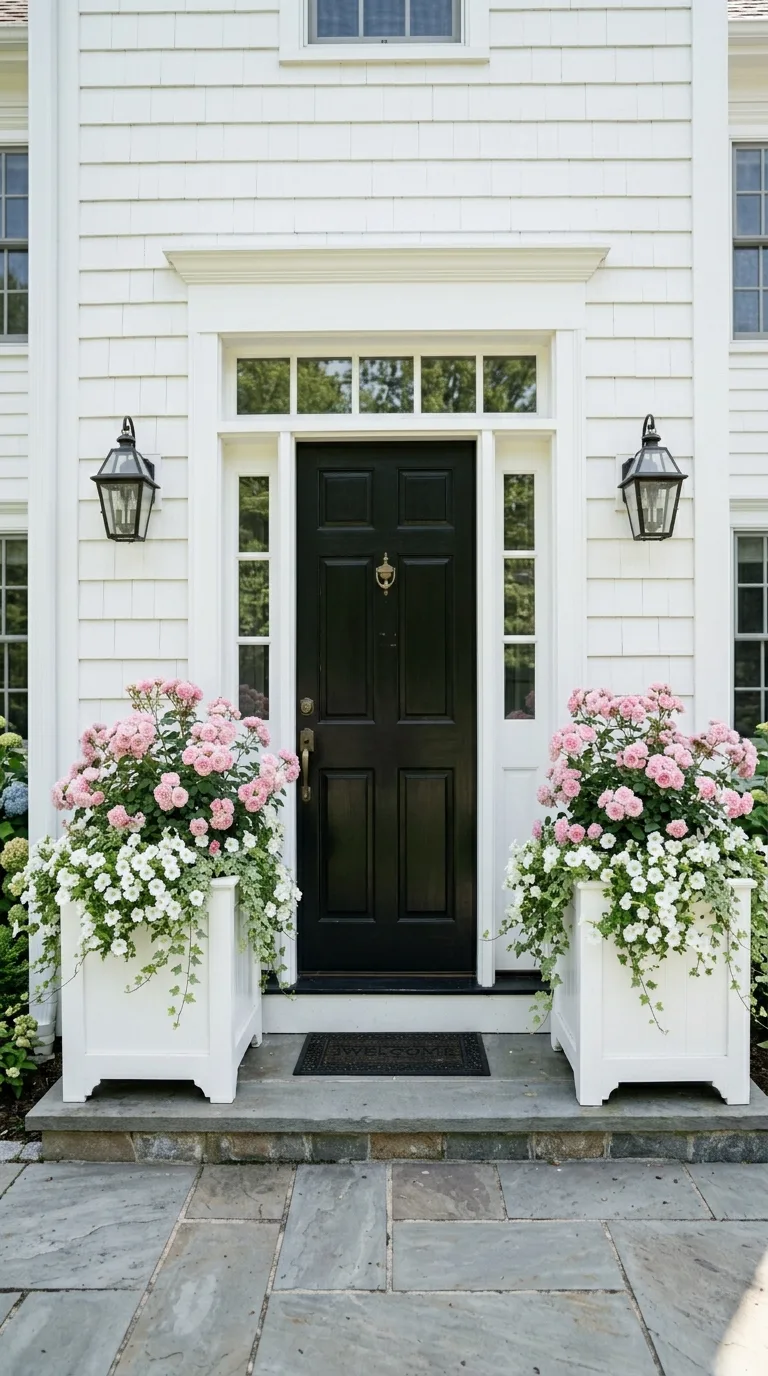
A white painted wooden planter box is a classic and versatile choice that suits almost every home style, from traditional cottage and farmhouse to modern coastal and Scandinavian-inspired interiors and exteriors. The clean, bright finish of white paint makes any planter appear larger and more substantial, and it serves as the perfect neutral backdrop for the colors of whatever plants are growing within it. White painted planters have a crisp, fresh quality that makes spaces feel more considered and put-together instantly.
The key to making a white painted planter look genuinely professional rather than simply painted is the quality of the woodwork beneath. Clean mitered corners, consistent panel spacing, and a smooth painted finish make all the difference between a planter that looks homemade and one that looks like it came from a high-end garden store. Adding simple wooden feet to lift the box slightly off the ground improves drainage and gives the planter an elegant, finished silhouette. Planted with lavender, standard roses, or trailing white petunias, a white planter box is quietly perfect in almost any setting.
4. Concrete Planter Box
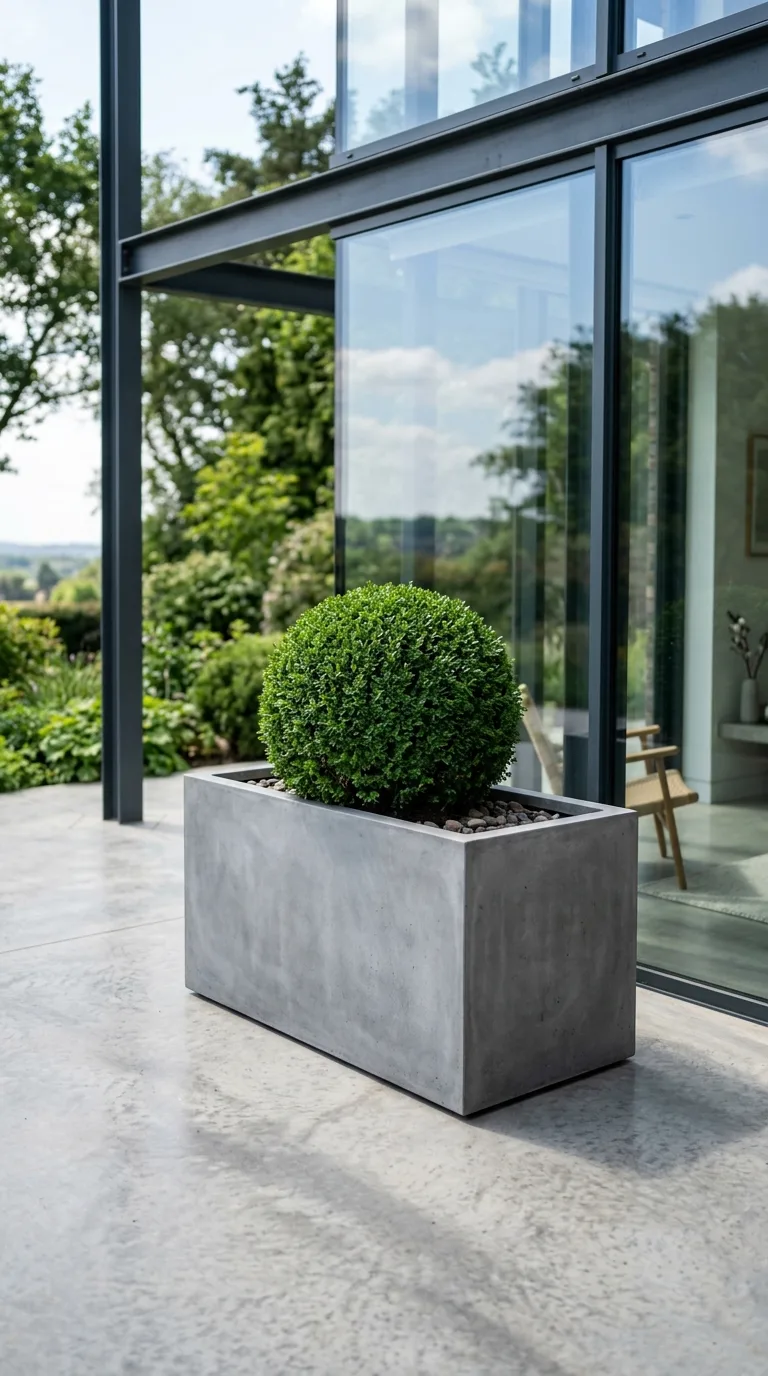
Concrete planter boxes have moved decisively from industrial afterthought to sought-after design object in contemporary garden and interior design, and it is easy to understand why. Their weight, solidity, and smooth or textured surface create a sense of permanence and architectural intention that lighter materials cannot replicate. Whether cast in a simple rectangular mold, finished with a polished surface, or left with a rough board-formed texture, concrete planters have a quiet, confident quality that suits modern design sensibilities perfectly.
Concrete planters work particularly well in minimalist and industrial garden settings where their honest, undecorated material quality is appreciated rather than hidden. Planting them with architectural succulents, structural grasses, or simple topiaries allows the beauty of the material itself to be the primary design statement. Lightweight glass fiber reinforced concrete, often called GFRC, offers the same visual quality as solid concrete at a fraction of the weight, making it a practical option for balconies and rooftop gardens. A well-placed concrete planter always looks like a considered design choice.
5. Window Box Planter
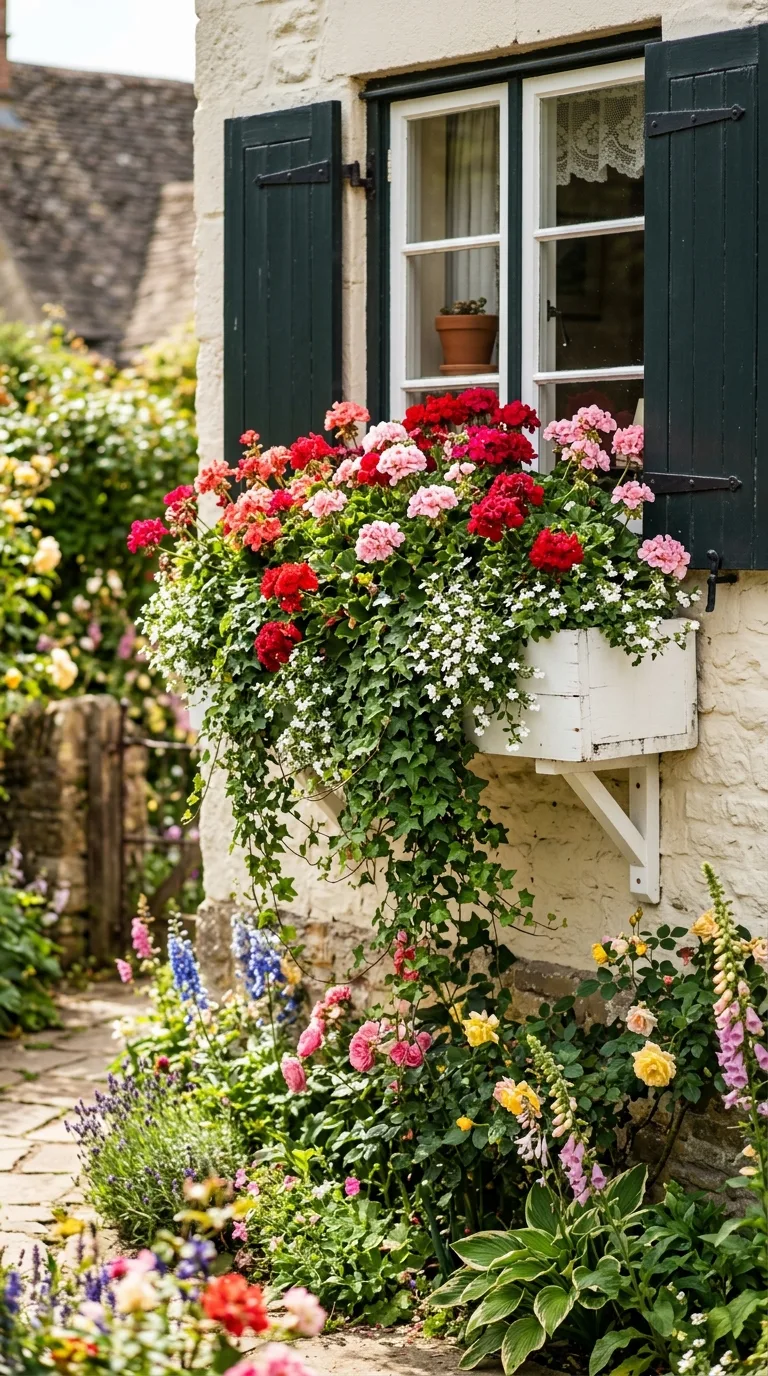
A window box planter fitted beneath a home’s windows is one of the most charming and transformative small-scale landscaping choices available to homeowners. The visual effect of lush, overflowing plants at window level brings color and life to the facade of a house in a way that no other single garden feature can match for the investment involved. A well-planted window box makes even the most ordinary house look cared for, loved, and beautifully presented from the street.
Choosing the right plants for window box planters requires thinking about both visual effect and the practical growing conditions of the specific window location. South-facing boxes in full sun suit sun-lovers like geraniums, petunias, and calibrachoa beautifully, while shaded north-facing windows favor impatiens, ferns, and trailing ivy. Mixing a thriller plant for height, a filler for density, and a spiller for cascading effect over the box edge is the professional planting formula that makes window box arrangements look truly spectacular rather than simply assembled.
6. Tiered Planter Box
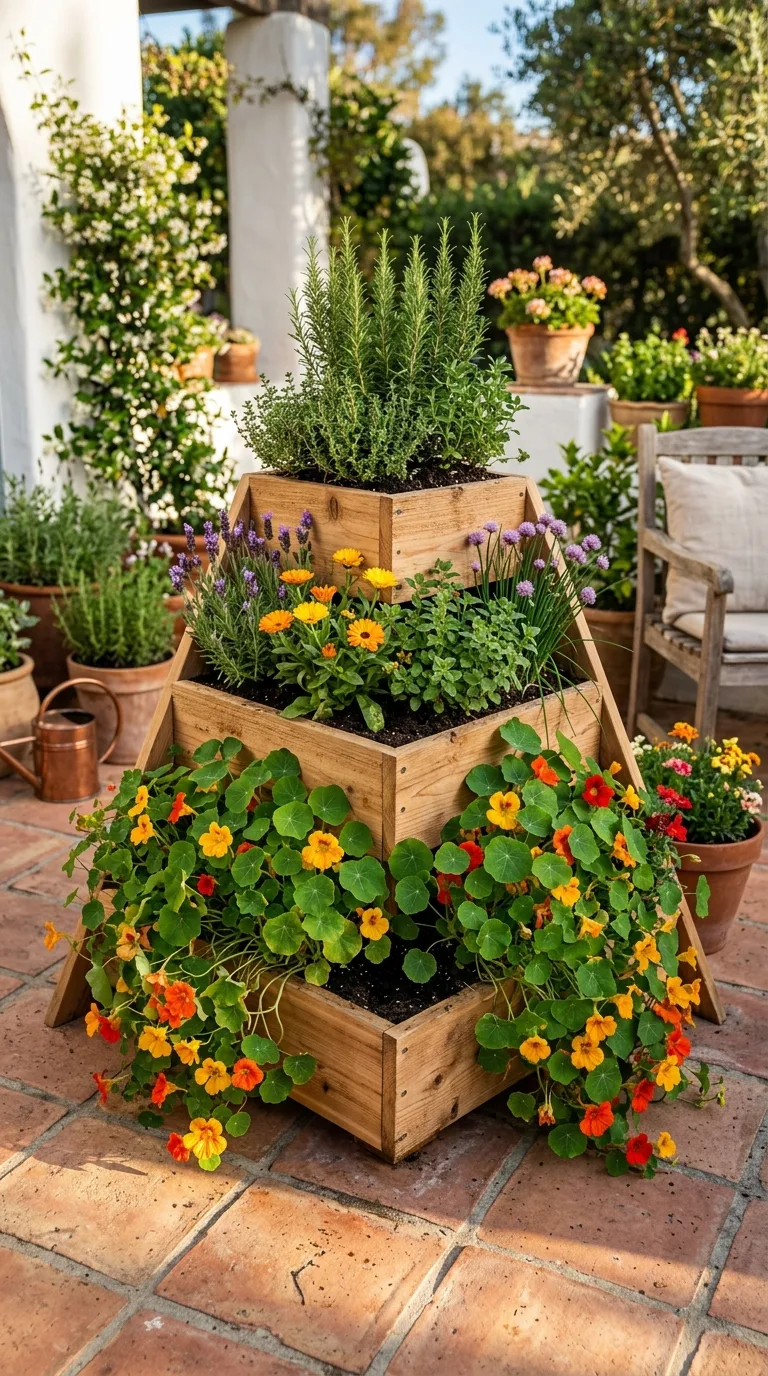
A tiered planter box is a space-efficient and visually dynamic way to display multiple plants at different heights within a compact footprint. The staggered tiers create visual interest and architectural form that a single flat planter box simply cannot offer. Whether built from cedar, painted wood, or composite material in two, three, or even four levels, a tiered planter functions as both a practical growing space and a structural garden feature that draws the eye and commands attention in any outdoor setting.
Tiered planters are particularly effective for herb gardens, strawberry growing, and mixed succulent displays where each tier can host a different plant variety without overcrowding. The cascading visual effect of plants tumbling from one tier to the next creates a lush, abundant look that photographs beautifully and impresses visitors in person. Positioning a three-tier planter beside a front door, on a patio corner, or at the end of a garden path creates an instant focal point of professionally designed quality that adds genuine character to the space.
7. Vertical Wall Planter Box
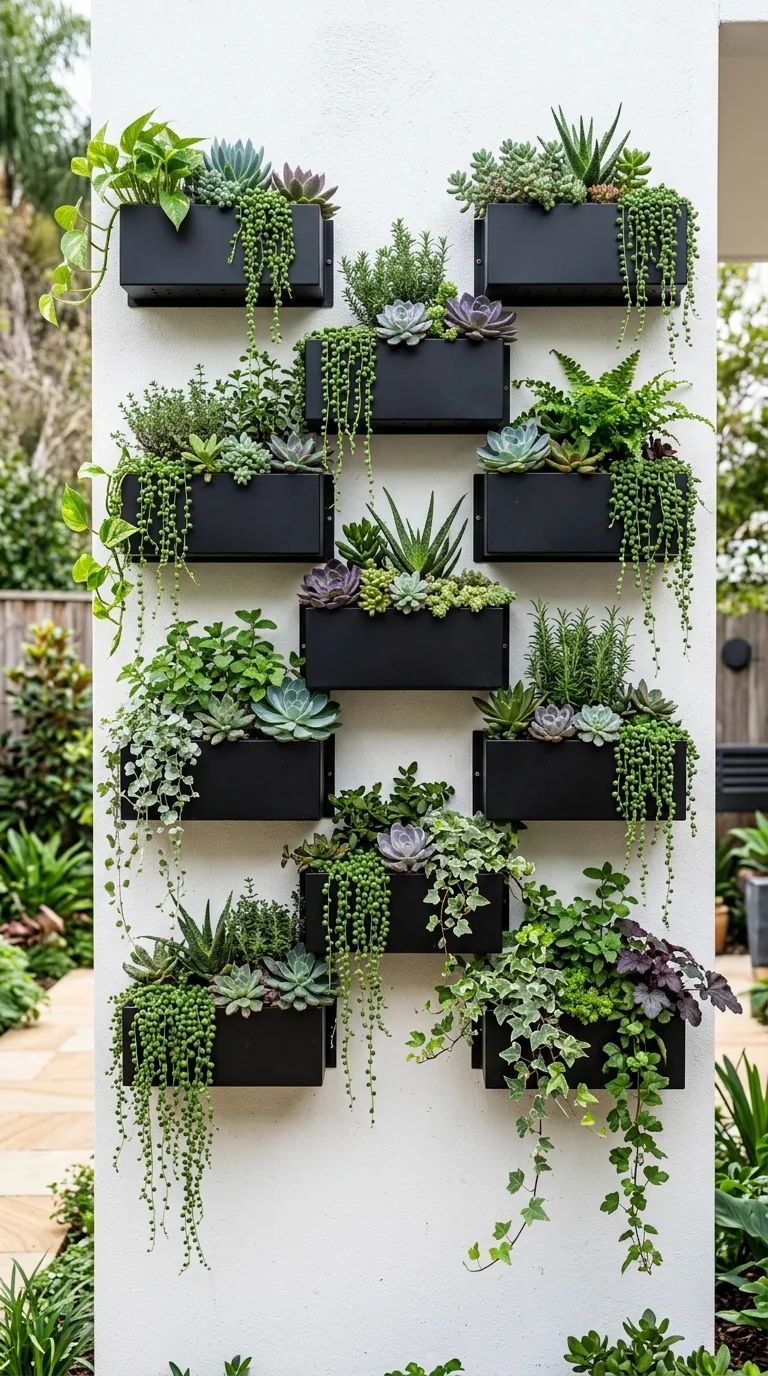
A vertical wall planter box system transforms a bare fence, exterior wall, or garden partition into a living, planted surface that is both beautiful and space-efficient. Using a series of individual box planters mounted in a grid or staggered pattern on a wall creates a modular living art installation that can be planted with herbs, succulents, flowers, or trailing plants in an almost infinite variety of combinations. The visual impact of a densely planted vertical wall is genuinely dramatic and immediately creates a sense of professional garden design.
The material choices for vertical wall planters range from simple painted timber boxes to powder-coated metal frames, reclaimed pallet wood, and ceramic hanging pots. Each material creates a different aesthetic character. Sleek black metal suits a contemporary setting, while reclaimed wood suits a rustic or farmhouse garden. Choosing plants with different foliage textures and colors for each box creates a patchwork effect across the wall surface. Adding a drip irrigation system behind the wall ensures consistent watering and keeps the whole installation looking vibrant and professionally maintained throughout the season.
8. Black Metal Planter Box
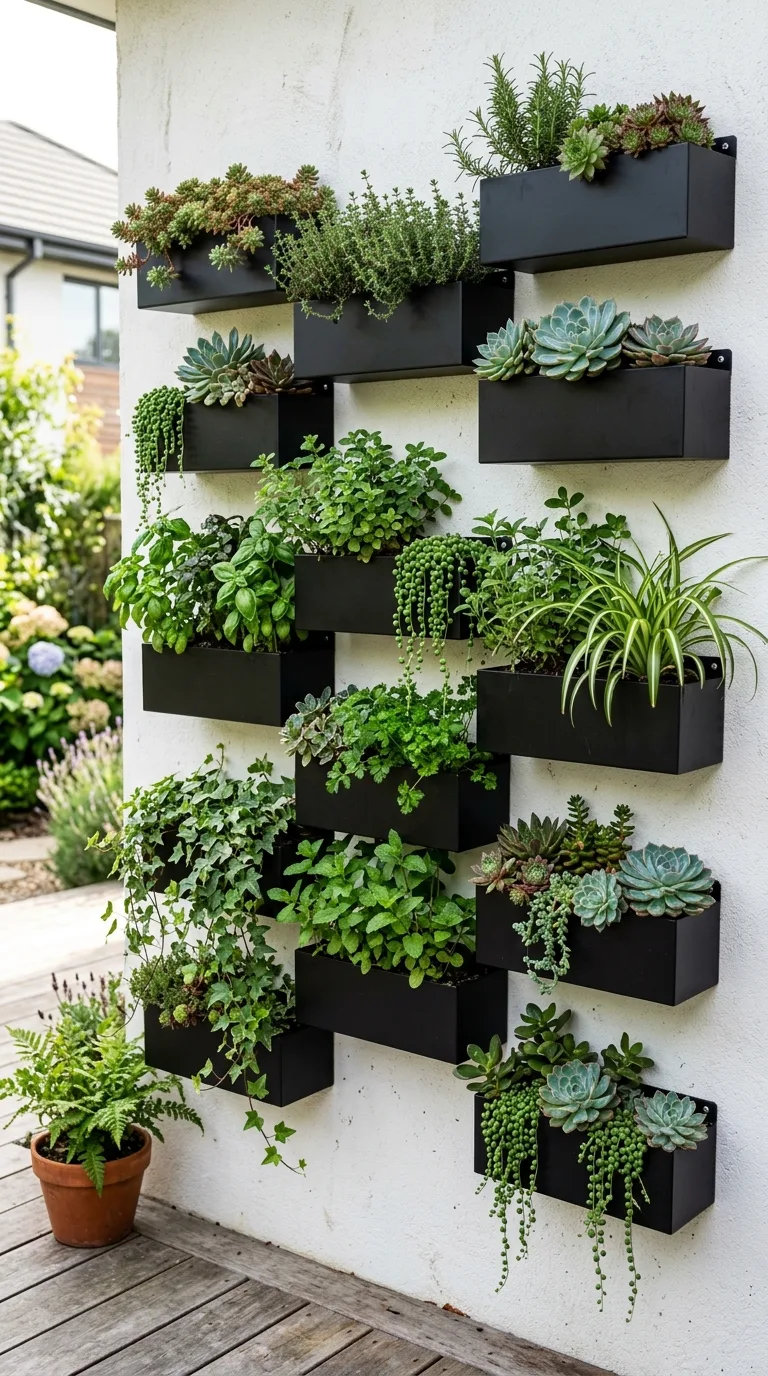
Black metal planter boxes have become one of the most popular choices in contemporary outdoor and indoor design because of how effectively the deep matte or gloss black finish contrasts with the green and color of plants. The strong, dark silhouette of a black planter makes the plants within it appear more vibrant and defined, functioning almost like a frame around a living artwork. Whether fabricated from steel, powder-coated aluminum, or cast iron, black metal planters have a refined, serious quality that elevates any space they occupy.
Black metal planters suit a wide range of design contexts, from ultra-modern minimalist interiors to traditional cottage gardens where dark-painted ironwork has a long design history. Tall rectangular black metal planters used as sentinels flanking a front door or driveway gate create a dramatic, formal entrance statement. Paired with clipped box topiary, standard bay trees, or flowing ornamental grasses, the combination of black container and green plant is one of the most timelessly elegant in garden design. This is a planter choice that never looks out of place and never goes out of fashion.
9. Recycled Pallet Planter Box
A planter box built from recycled wooden pallets is one of the most creative and budget-friendly approaches to container gardening, and when built thoughtfully it can look genuinely impressive rather than merely thrifty. Pallets provide pre-made structural frames that can be assembled, lined, and filled with soil quickly and easily. Standing a pallet upright, lining the inner pockets with landscape fabric, and filling each section with plants creates a vertical garden feature that costs almost nothing but looks like a deliberate and stylish design decision.
The key to making a pallet planter look professionally done rather than simply repurposed is the finishing work applied to the wood. Sanding the pallet surfaces smooth, applying a coat of exterior paint or stain in a consistent color, and adding a simple frame or border around the edges transforms the raw pallet material into something that looks intentional and well-made. Planting with trailing plants that overflow each pocket generously and quickly cover the structure beneath creates a lush, full effect within just a few weeks of planting and makes the whole installation look genuinely spectacular.
10. Stone and Brick Planter Box
A planter box built from natural stone or brick is one of the most permanent, beautiful, and architecturally satisfying garden features you can create in an outdoor space. Stone and brick planters have a solidity and a sense of long establishment that no other material can replicate, and they improve visually with every year as plants, moss, and weathering add layers of natural character. Built into a patio design, along a pathway, or flanking garden steps, they become a genuinely structural part of the garden rather than a moveable feature.
The design flexibility of stone and brick planters is remarkable because they can be built in almost any shape, size, and height to suit the specific demands of the space. A low, wide stone-capped brick planter doubling as a garden wall seat creates a multifunctional feature of great practical and visual value. Planting them with lush perennials, flowering shrubs, or ornamental grasses fills the stone structure with life and softens its hard lines. Once built and planted, a stone or brick planter needs very little ongoing care and only grows more beautiful as the garden matures around it.
11. Hanging Planter Box
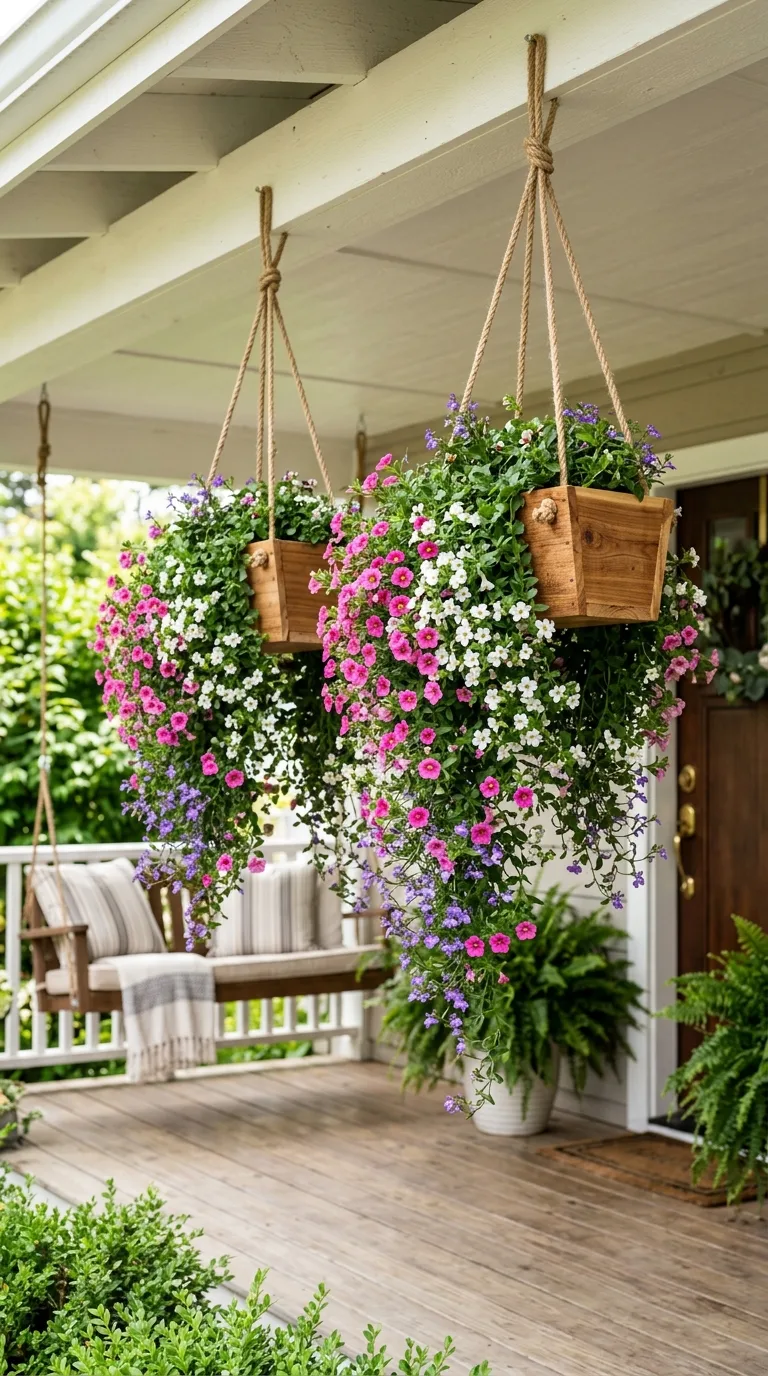
Hanging planter boxes suspended from a porch ceiling, pergola beam, fence rail, or wall-mounted bracket are one of the most effective ways to bring plant life to eye level and above in an outdoor space, creating a layered, three-dimensional garden effect that ground-level planting alone cannot achieve. The sight of lush, trailing plants cascading from a hanging box catches the eye immediately and adds an abundance and generosity to any outdoor space that makes it feel like a genuinely designed garden.
Choosing plants with a strong trailing or cascading habit is the most important decision in making a hanging planter box look truly spectacular. Petunias, calibrachoa, bacopa, verbena, and trailing succulents all produce the generous waterfall of growth that makes hanging planters so visually dramatic. Using a self-watering insert within the hanging box helps maintain consistent moisture levels and reduces the frequency of watering needed. A pair of matching hanging planter boxes on either side of a porch or gate entrance creates a beautifully symmetrical welcome that looks genuinely professional.
12. Long Rectangular Privacy Planter
A long, tall rectangular planter box used as a privacy screen is one of the cleverest and most visually appealing solutions to the challenge of creating seclusion in a small garden, balcony, or patio space. Planting tall bamboo, ornamental grasses, or columnar evergreen shrubs in a generously proportioned rectangular planter creates a living privacy screen that has far more visual beauty than a solid fence or wall. The combination of the structured planter form and the organic plant growth creates a genuinely elegant result.
The success of a privacy planter depends on both the quality of the planter construction and the plant selection within it. Corten steel, powder-coated aluminum, and solid hardwood are the most popular material choices because they have the substance and visual weight to match the scale of the planting. Choosing plants like Karl Foerster grass, bamboo, or giant feather grass that grow densely and maintain height throughout most of the year ensures that the privacy screen remains effective in every season. A row of matching privacy planters along a boundary creates a landscape feature of genuine professional distinction.
13. Elevated Planter Box on Legs
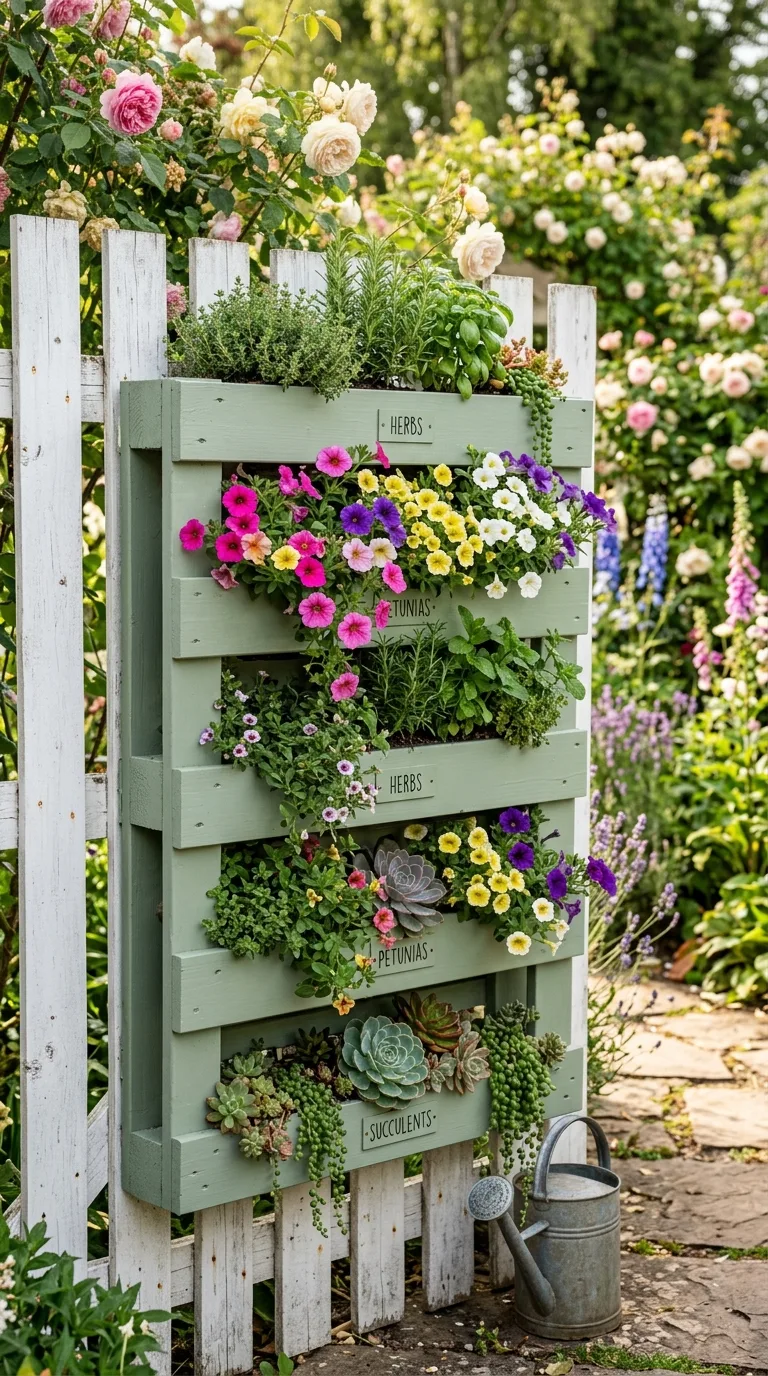
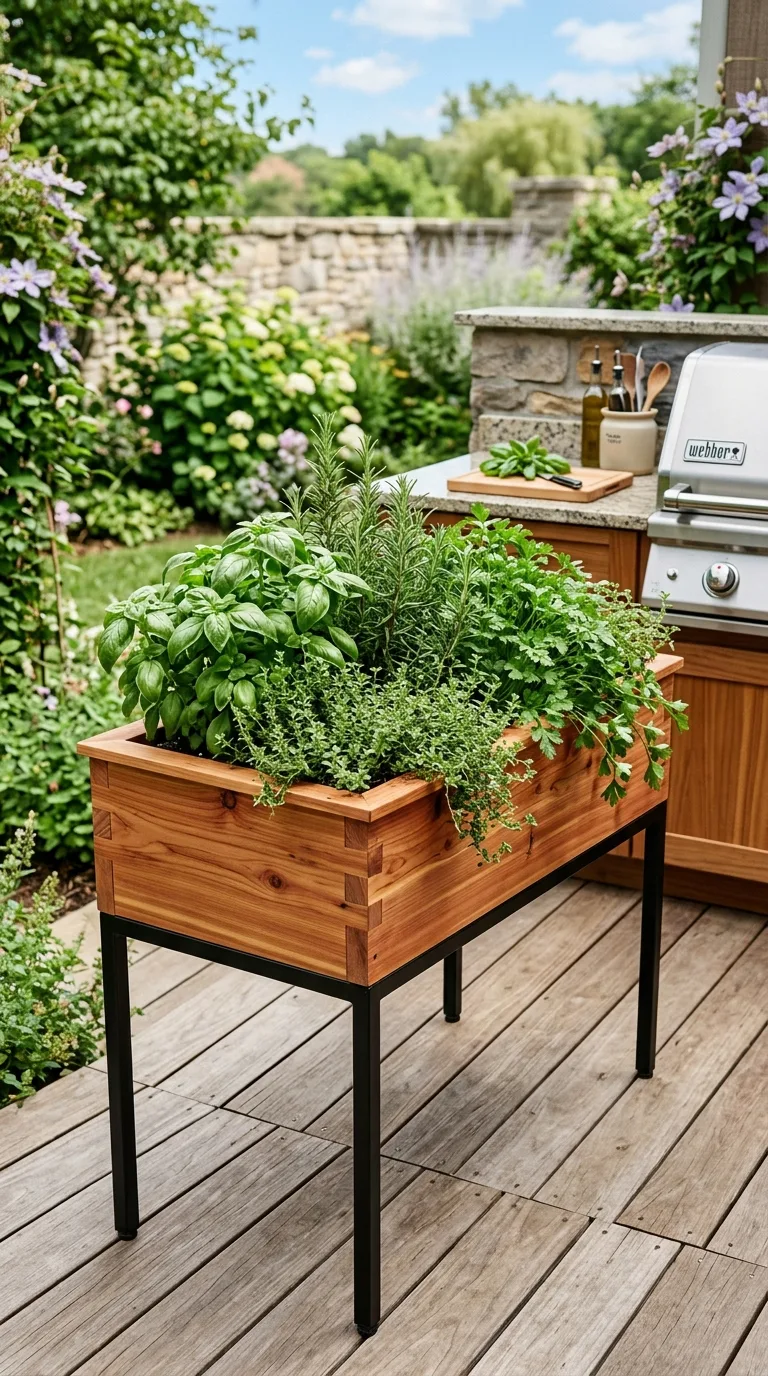
A planter box raised on legs to standing or working height is one of the most practical and visually appealing planter designs available, offering the dual benefits of ergonomic ease of access and an elevated, furniture-like presence in the garden. The legs create a visual lightness beneath the planter box body that makes even a large planter appear graceful rather than heavy. Cedar, hardwood, and powder-coated steel are all excellent material choices for elevated planters, each creating a different design character.
The elevated format is particularly popular for vegetable and herb growing because the raised height eliminates the need to bend or kneel while tending crops, making gardening significantly more comfortable and accessible. For decorative use, an elevated planter on a patio or deck becomes a piece of outdoor furniture in its own right, with a presence and refinement that ground-level planters cannot quite match. Choosing tapered, slim legs in a contrasting material or finish to the box body adds a design-forward quality that makes the whole planter look genuinely professionally crafted.
14. Farmhouse Style Planter Box
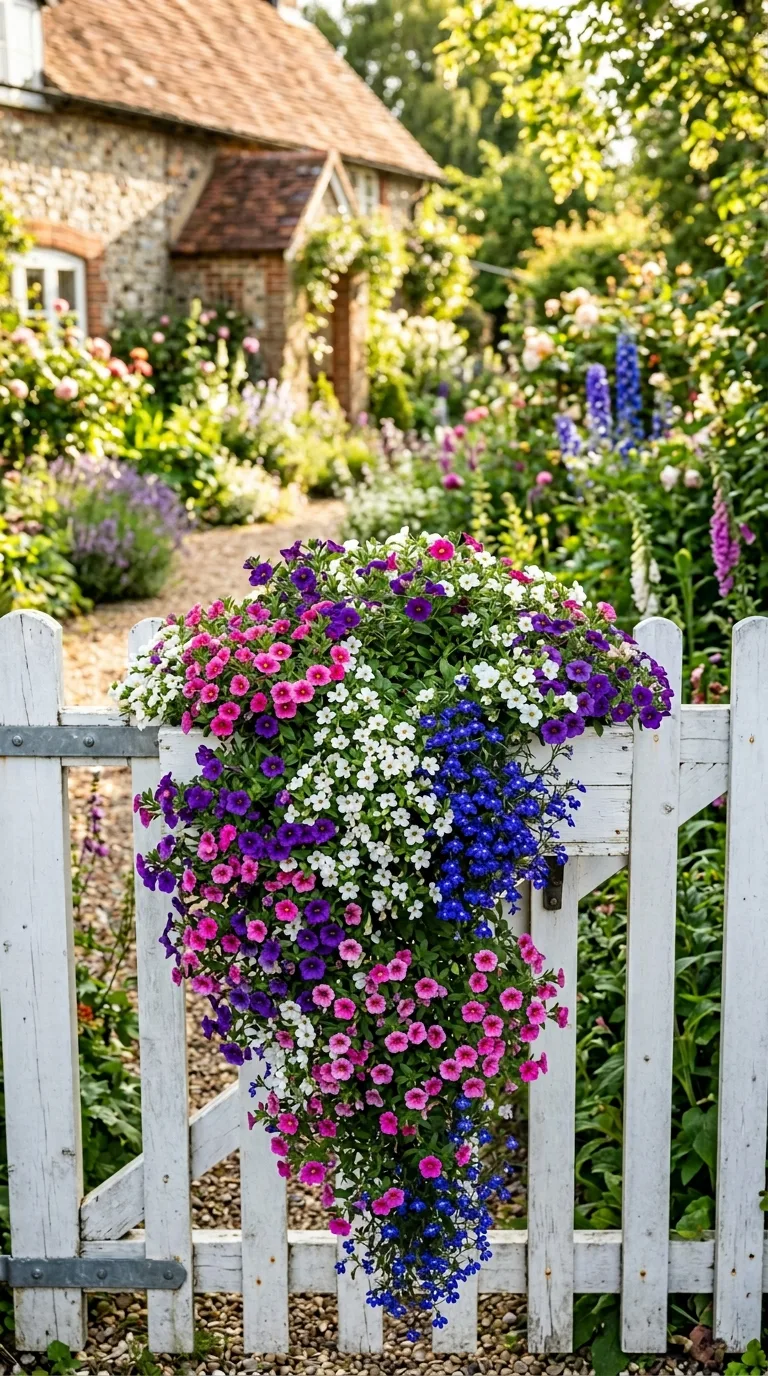
A farmhouse style planter box has a warmth and unpretentious charm that suits cottage gardens, country homes, front porches, and any space where a welcoming, lived-in aesthetic is valued. Typically built from rough-sawn timber, shiplap-style boards, or reclaimed wood with simple joinery and perhaps a coat of white or muted gray paint, a farmhouse planter looks like it has always belonged in the space it occupies. It has the kind of honest, handmade quality that people respond to immediately and warmly.
Planting a farmhouse style planter with overflowing seasonal flowers, trailing ivy, or a mixture of kitchen herbs creates a combination of material and plant that feels genuinely right and beautifully styled. Adding simple details like black metal corner hardware, vintage-style label stakes for herb identification, or a painted sign with the property name gives the planter personal character. Positioned beside a front door, on a porch step, or along a garden path, a farmhouse planter creates the exact kind of welcoming, charming exterior detail that makes a house feel like a genuinely loved home.
15. Modern Minimalist Planter Box
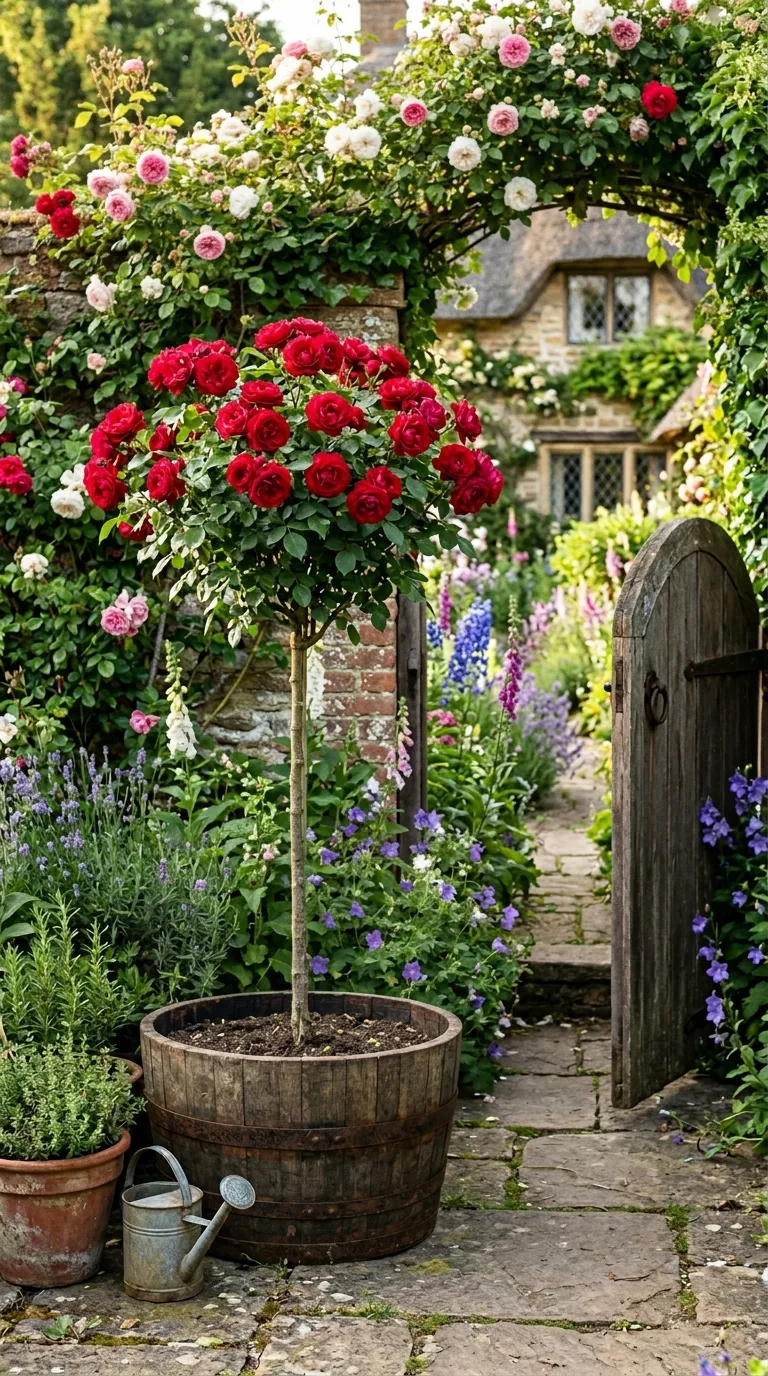
A modern minimalist planter box is defined by exactly what it does not have rather than what it does. No decorative molding, no contrasting colors, no unnecessary detail. Just clean lines, a single material in a single finish, precise proportions, and a quiet confidence in the power of simplicity to create beauty. Fabricated from powder-coated aluminum, smooth fiber cement, polished concrete, or high-grade composite, a minimalist planter makes an immediate and sophisticated design statement in any contemporary setting.
The plant selection for a minimalist planter is as important as the design of the box itself, because in a simple container every plant choice is visible and deliberate. A single architectural grass, a clipped topiary sphere, one perfect standard olive tree, or a striking succulent are all planting choices that honor the simplicity of the container. Avoiding the impulse to mix multiple plant varieties and instead committing to a single, beautiful specimen per planter creates a design discipline that is genuinely difficult to achieve but immediately recognizable as the mark of professional intent.
16. Built-in Deck Planter Box
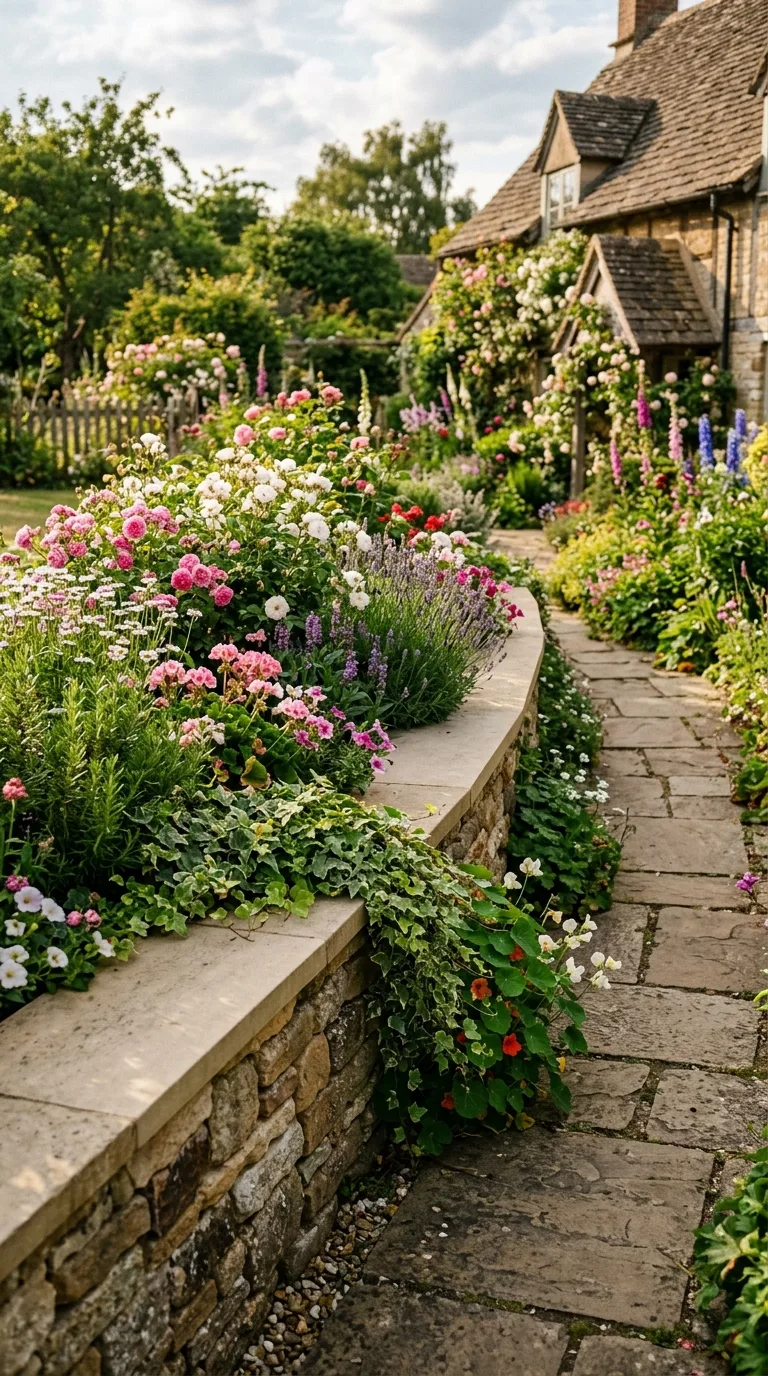
A planter box built directly into a deck structure is one of the most architecturally integrated and professionally finished garden features possible, creating a seamless relationship between the hard landscape of the deck and the soft planting within it. Built-in planters avoid the temporary, ad-hoc feeling of freestanding containers placed on a deck and instead create the impression that the planting was always part of the original design intention of the entire outdoor space.
Integrating planters into the perimeter railing of a deck, at the corners, or as a central dividing feature between different deck zones creates a strong architectural framework for the planting. Using the same timber species and finish for both the deck boards and the planter boxes ensures a cohesive, unified aesthetic across the whole structure. Planting them with fragrant herbs within easy reach of an outdoor kitchen, or with trailing plants that soften the deck edges creates a beautiful integration of architecture and nature that genuinely distinguishes a thoughtfully designed deck from a basic platform.
17. Colorful Painted Planter Box
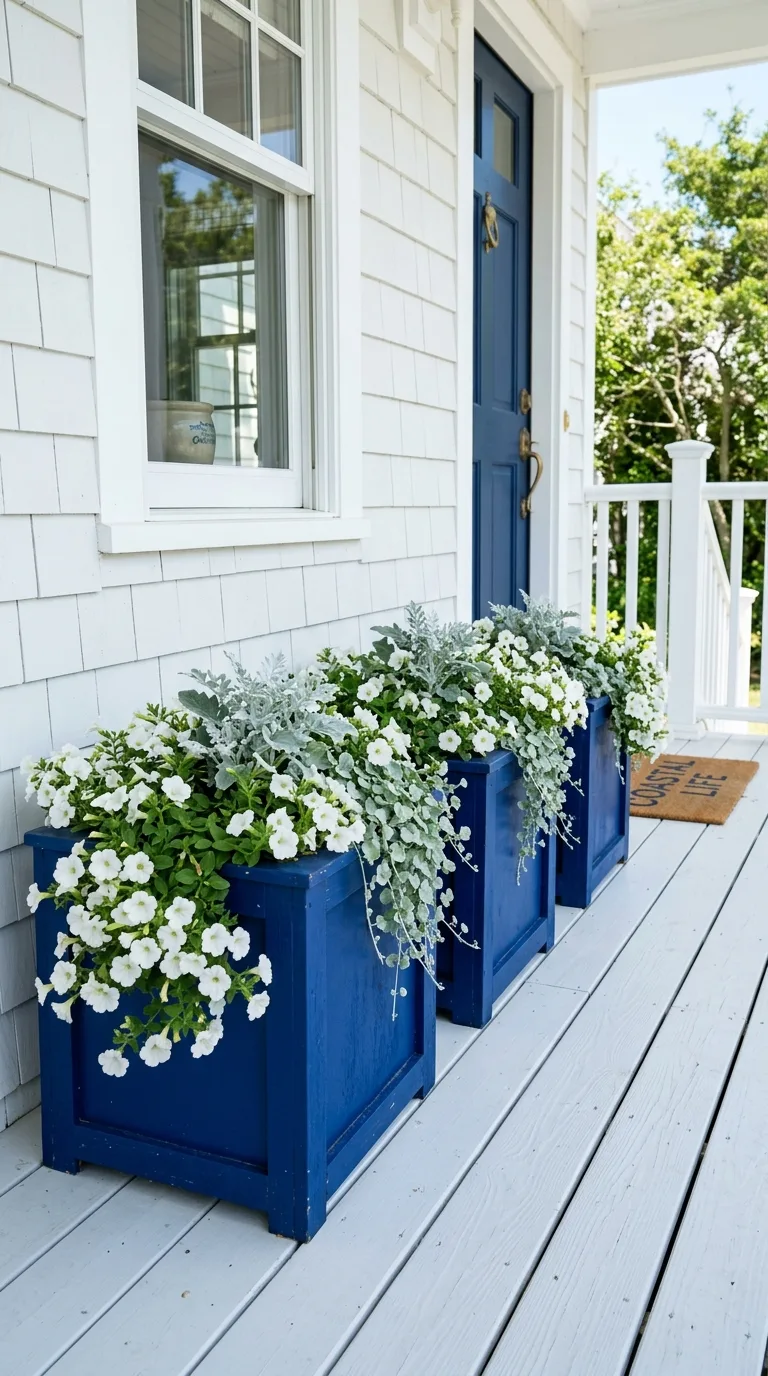
A planter box painted in a bold, confident color is one of the simplest and most effective ways to add personality and visual energy to an outdoor or indoor space. A cobalt blue planter on a white-painted porch, a deep forest green box against a brick wall, or a terracotta-orange container beside a modern gray facade all create moments of designed color that make the surrounding space look more intentional and more interesting. The planter becomes part of the color composition of the space rather than simply a vessel for plants.
Choosing the right paint color for a planter box requires thinking about the existing color palette of the surrounding space and the colors of the plants that will grow within it. Complementary colors create vibrant contrast while analogous tones create a more harmonious, layered effect. Using a high-quality exterior paint with good durability ensures the color remains vivid through weathering and sunlight exposure. A set of three matching colored planter boxes arranged together in varying sizes creates a coordinated, gallery-style display that looks genuinely designed and professionally styled.
18. Half Barrel Planter
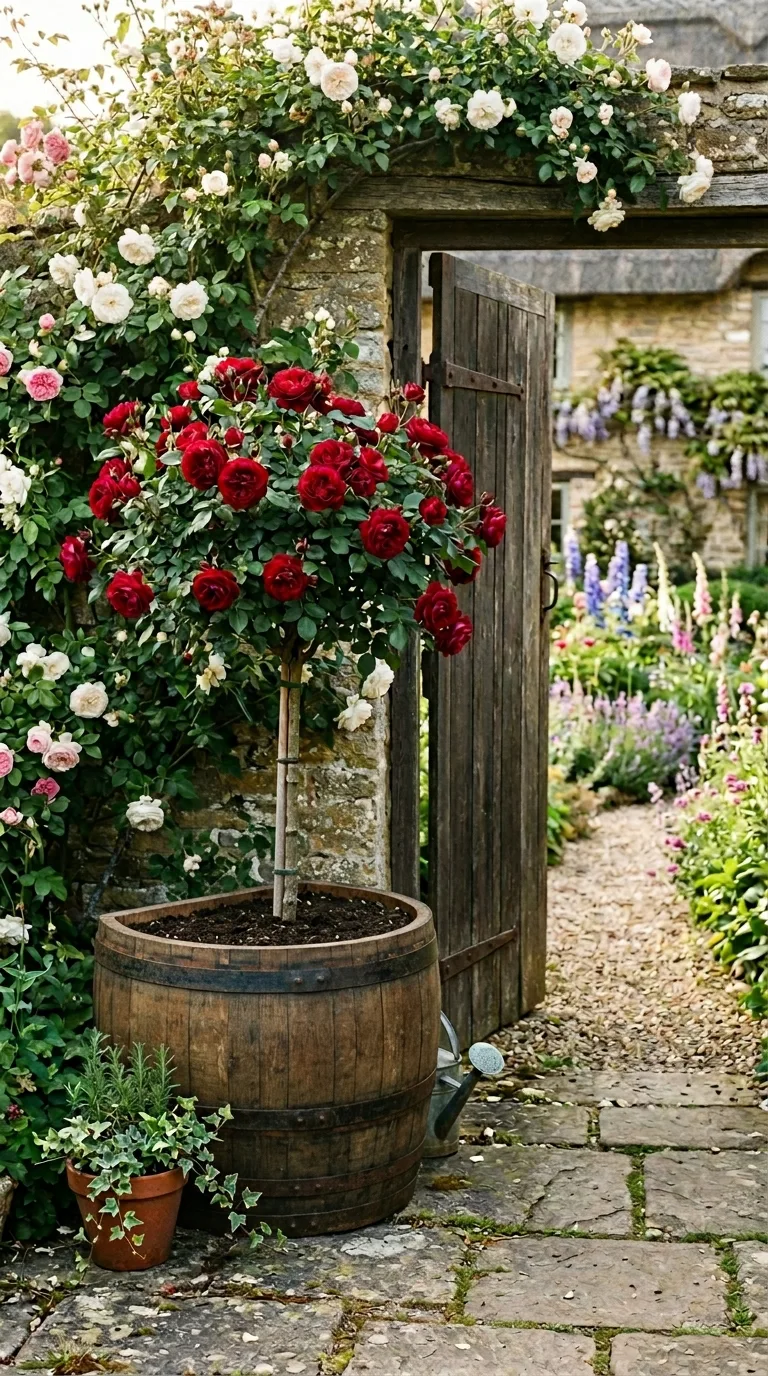
A genuine oak half barrel repurposed as a planter box brings a warmth, authenticity, and rustic beauty to a garden that few other container types can match. The curved stave construction, the dark iron hoops, and the deep, rich color of aged oak create a container with genuine character and a sense of history that manufactured planters rarely achieve. Half barrels are also generously sized, providing a deep, wide root zone that suits large shrubs, small trees, and abundant mixed plantings equally well.
A half barrel planter positioned on a patio, beside a front door, or at the center of a herb garden creates an immediate focal point of unpretentious beauty that suits country, farmhouse, and coastal garden styles particularly well. Planting a half barrel with a lollipop standard rose, a fruit tree, or a generous mix of cottage flowers creates a planting composition that looks like it grew this way naturally over many years. Adding decorative feet beneath the barrel improves drainage and prevents the wood from sitting in water, significantly extending the lifespan of this most beloved of planter types.
19. Herb Garden Planter Box
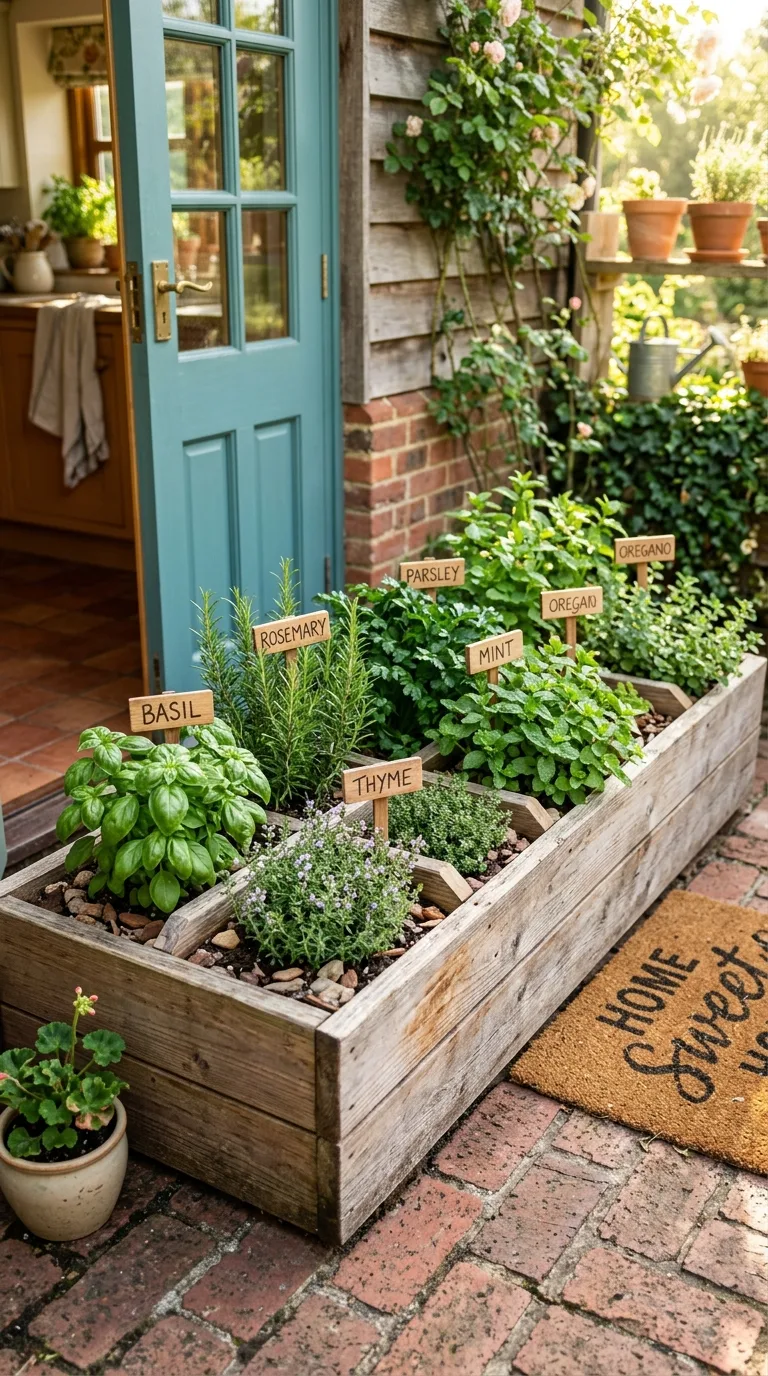
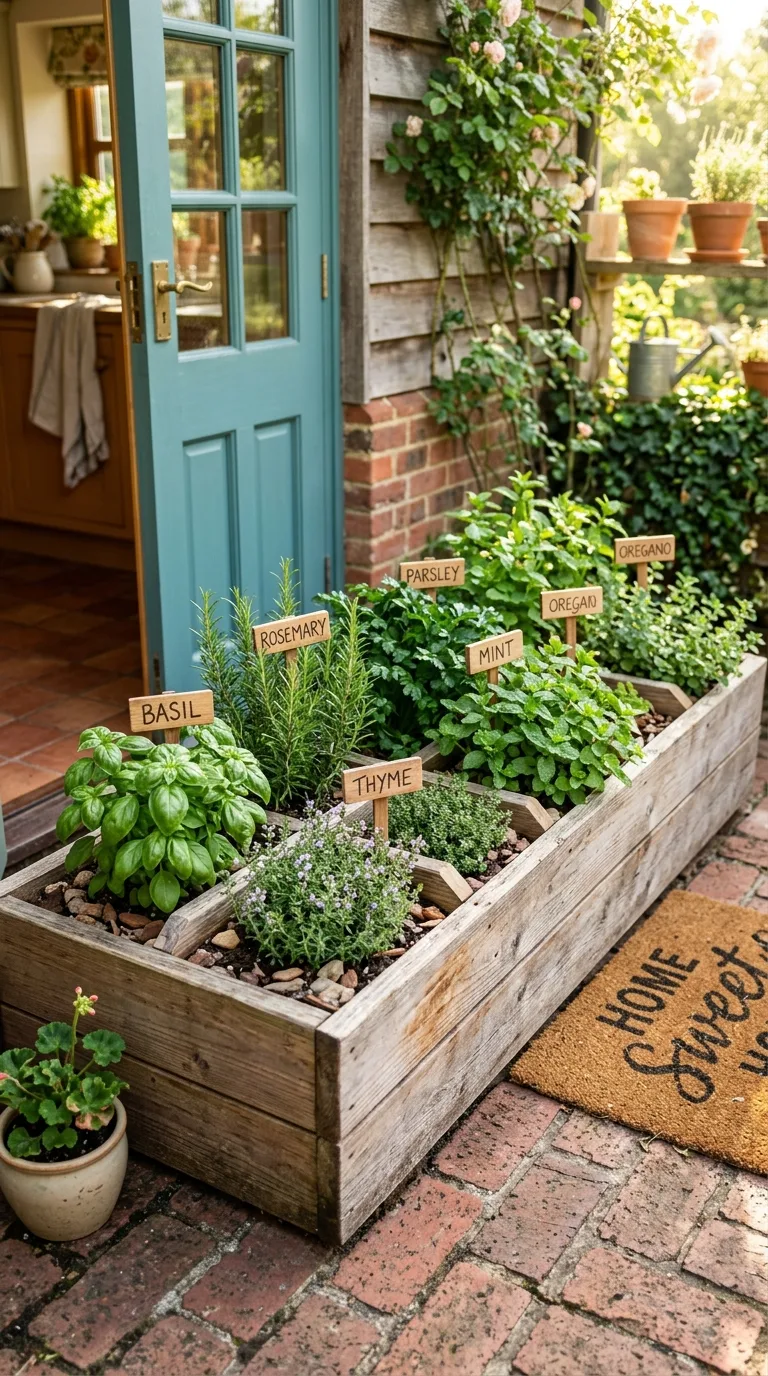
A dedicated herb garden planter box is one of the most practical and visually rewarding investments any gardening homeowner can make. Keeping all cooking herbs together in a single well-designed planter close to the kitchen door makes everyday cooking more fragrant, more fresh, and more connected to the garden. A wide, shallow cedar or painted wooden box divided into compartments by simple internal timber dividers creates a structured, organized herb garden that looks as professional as any kitchen garden you might see in a magazine feature.
The visual appeal of a herb garden planter box comes from the remarkable variety of leaf textures, colors, and growth habits among common culinary herbs. The fine, feathery foliage of dill, the bold, crinkled leaves of parsley, the silver needles of rosemary, the soft rounded leaves of basil, and the sprawling stems of thyme all create a naturally diverse and beautiful tapestry within the box. Adding small handwritten or printed label stakes for each herb variety turns the planter into a charming, functional display that looks genuinely considered and elegantly styled.
20. Cascading Flower Planter Box
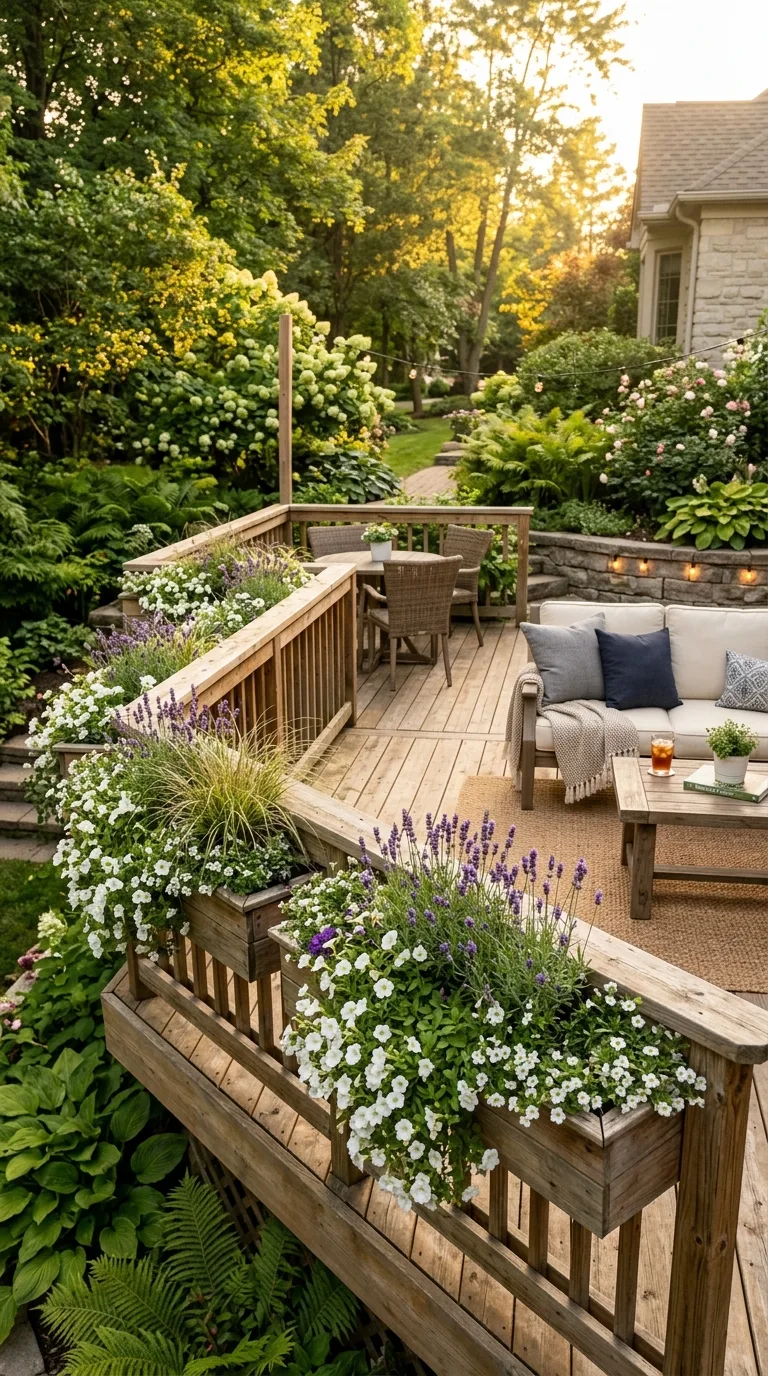
A planter box planted specifically for cascading, overflowing flower effect is one of the most impactful and joyful container garden ideas possible. Selecting trailing and mounding varieties that spill generously over the edges of the box creates a look of almost reckless abundance that is deeply appealing and visually generous. Bacopa, million bells, trailing petunias, lobelia, and sweet alyssum are among the best performers for this kind of exuberantly flowing display that catches every eye that passes by.
The technique for achieving a truly spectacular cascading planter is to plant it more densely than you might think necessary, using trailing varieties at the outer edges and slightly mounding varieties in the center to create height above the box rim. Fertilizing regularly throughout the growing season ensures the plants continue producing new flowers and growth continuously rather than peaking and fading. A matched pair of cascading flower planter boxes placed symmetrically on either side of a doorway, gate, or garden entrance creates a welcome of breathtaking beauty that requires very little effort to achieve and maintain.
21. Trough Planter Box
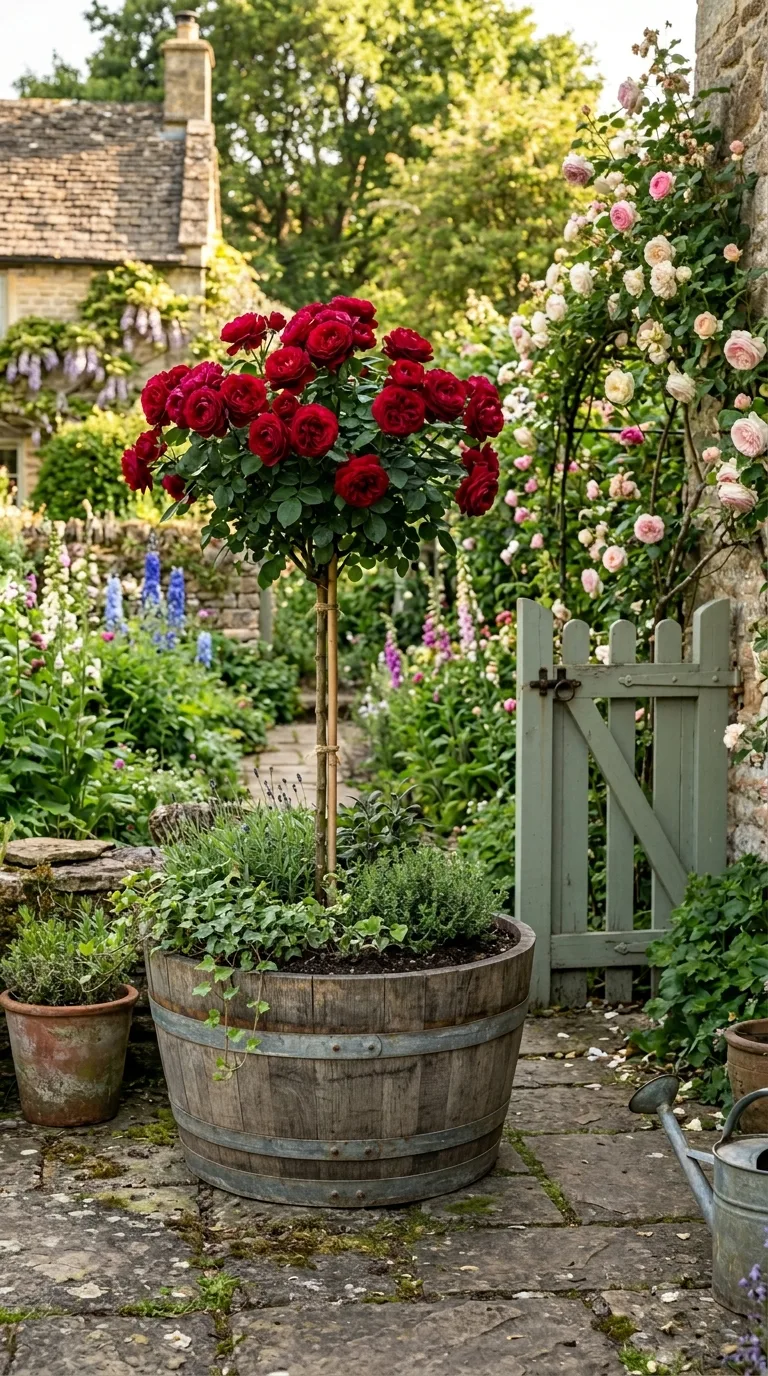
A trough planter box is a long, low, elegantly proportioned container that has been used in formal and informal garden design for centuries because of how naturally it suits both architectural and planting applications. Stone, cast iron, painted timber, and galvanized metal are among the most popular trough materials, each bringing a different period character to the design. A genuine antique stone trough planted with alpine plants or herbs has a quality and beauty that no manufactured planter can replicate, while a modern galvanized trough has an honest, industrial appeal of its own.
Trough planters work particularly well in formal garden settings where their horizontal form reinforces the architectural lines of paths, steps, and walls. Placing a pair of identical trough planters on either side of a garden entrance or at the base of steps creates a formal, symmetrical effect of great elegance. Planting them with low, dense alpines, miniature bulbs, and trailing herbs suits the shallow depth of most trough planters beautifully. A single long trough planter running along the base of a garden wall creates a planted linear feature that looks genuinely designed and professionally executed.
22. Galvanized Metal Planter Box
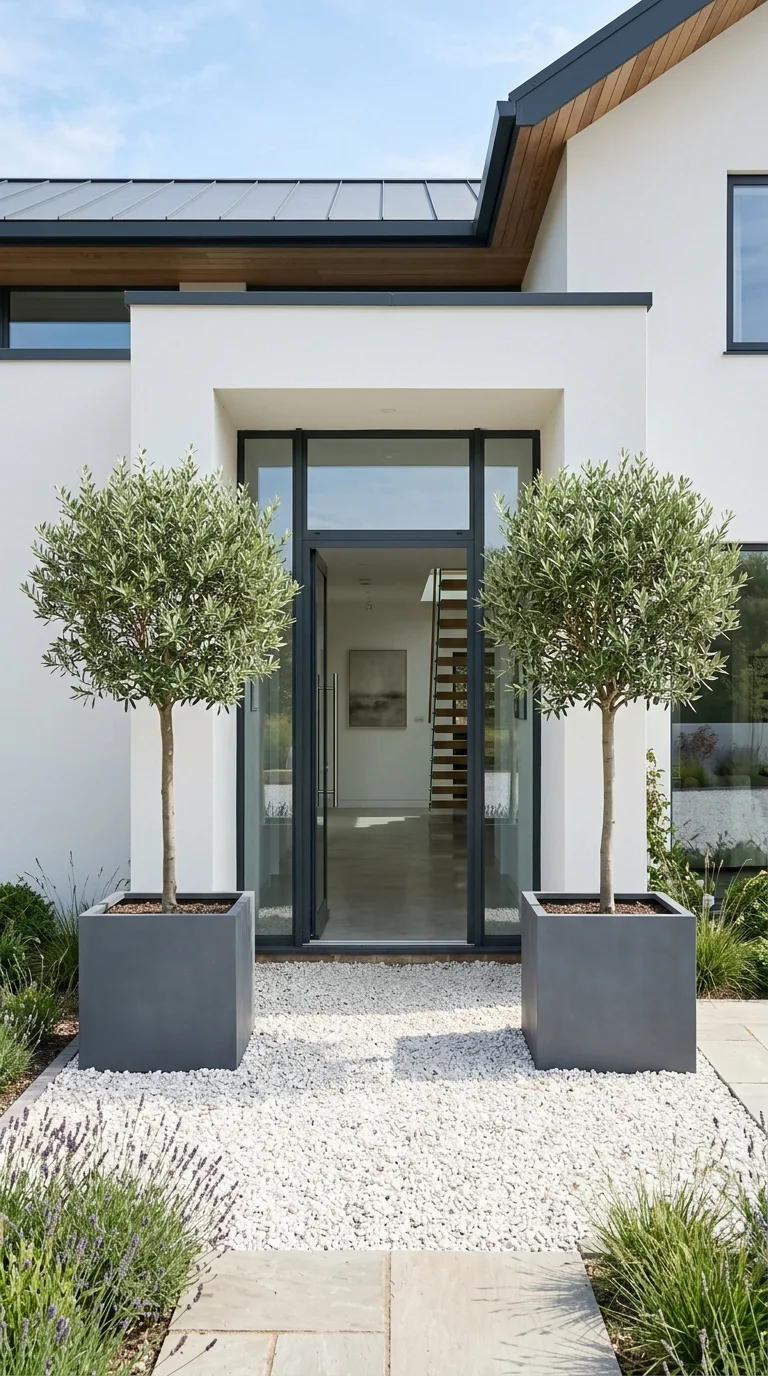
Galvanized metal planter boxes have a utilitarian, agricultural heritage that has been enthusiastically embraced by contemporary garden designers who appreciate their honest material quality and their remarkable versatility across a range of design aesthetics. From farmhouse to industrial to modern rustic, a galvanized planter seems to find its natural home in any context without effort. The silver-gray metallic surface weathers beautifully over time, developing subtle rust streaks and surface variation that adds character rather than suggesting deterioration.
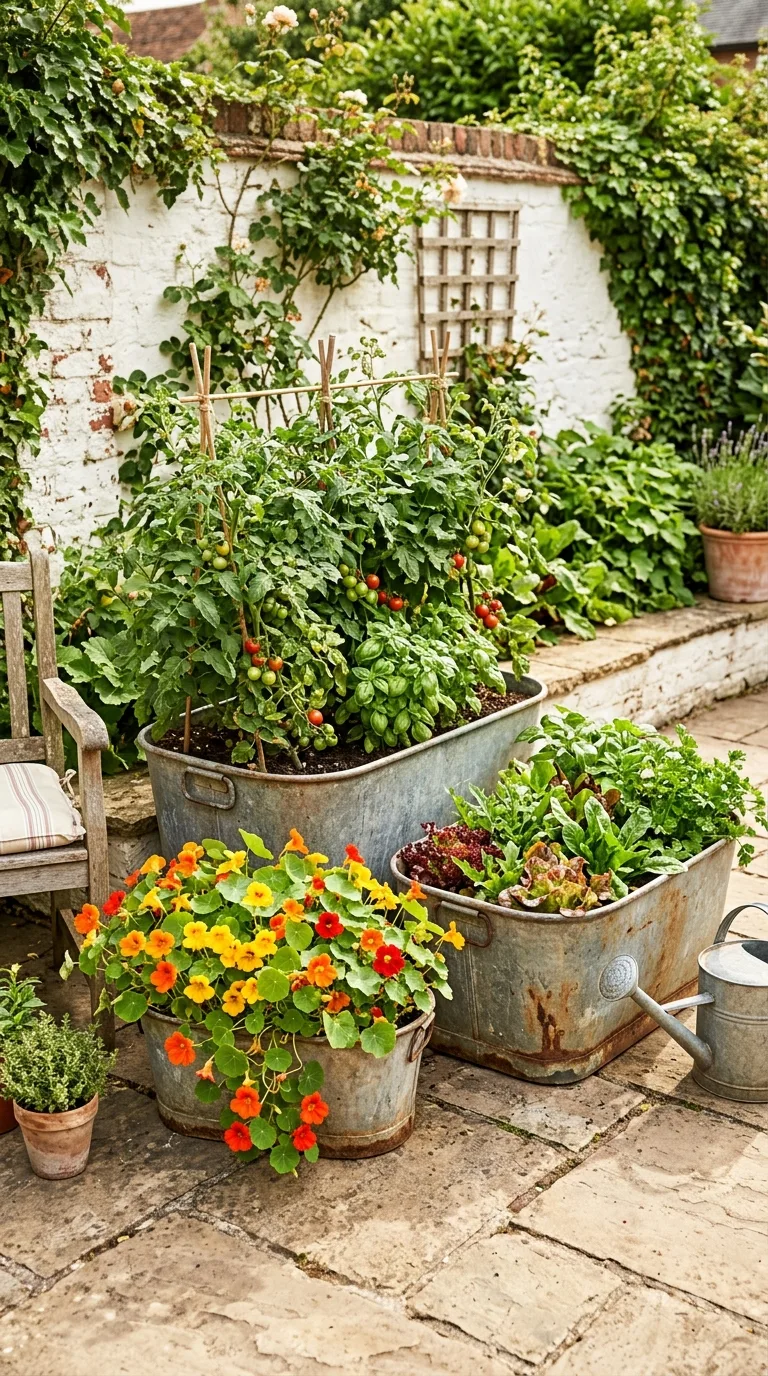
Galvanized planters are available in a particularly wide range of forms, from traditional round buckets and rectangular troughs to custom-fabricated raised bed systems and tall, cylindrical statement containers. Using several galvanized planters of different sizes grouped together on a patio or kitchen garden creates a cohesive, styled display that looks both practical and deliberately designed. Planting them with a mix of vegetables, herbs, and edible flowers creates an edible garden display of real visual appeal. Drilling drainage holes in the base before planting is the only essential preparation required to make these containers perform beautifully.


